Individual Therapy · Sweden

Individual Therapy in Sweden - in English

I'm a Scottish psychotherapist based in Oslo. I work with English-speaking expats across Sweden via Zoom, offering integrative therapy and Compassionate Inquiry. Native English speaker, 10 years in private practice, lived expat experience in Scandinavia.

Individual therapy session
Qualifications
BSc Psychology · MSc Applied Behaviour Sciences
Native English speaker
Scottish. I understand your cultural world.
10 years in Oslo
Lived expat experience in Norway
In-person & Zoom
Ruseløkkveien 59, Oslo · Anywhere via Zoom

English-Speaking Therapy for Expats in Sweden

Finding a therapist who genuinely understands your cultural background is hard in Sweden. You can find people who speak English, but finding someone who actually thinks and feels in English, who gets the humour and the cultural references and the specific weight certain words carry, that's different.

I'm Scottish. I moved to Oslo over ten years ago and I've worked through the same cultural gaps, the same sense of being slightly outside the loop, that most expats describe. I know what it's like to live in a country where you speak the language well enough to function but never quite fluently enough to feel fully yourself. Where therapy is concerned, that difference matters.

I work with English-speaking expats across Sweden via Zoom. Most of my clients are in Stockholm, Gothenburg, or Malmö, but location doesn't matter as long as you have a quiet space and a stable internet connection. Sessions are 50 minutes, usually weekly or fortnightly, and we start with a free 20-minute consultation so you can get a sense of how I work before committing to anything.

Integrative Therapy and Compassionate Inquiry

I work integratively, which means I don't follow one rigid model. I adapt the approach to what you need rather than expecting you to fit into a set framework. The foundation is integrative psychotherapy, which focuses on understanding the whole person rather than just treating symptoms. I also use Compassionate Inquiry, a method developed by Dr. Gabor Mate that looks at the root of emotional patterns rather than just managing the surface issues.

Compassionate Inquiry is a gentle, curious approach. It asks what's underneath the anxiety, the anger, the avoidance. Why does this pattern exist? What was it protecting you from? That kind of inquiry often leads to real shifts because it addresses the cause rather than just the behaviour. It's not about fixing you. It's about understanding you.

Sessions are structured but not prescriptive. We talk about what's happening in your life now, what patterns keep showing up, what feels stuck. Sometimes that means working through a specific issue like a breakup or a job change. Other times it means exploring deeper questions about identity, purpose, or how you relate to other people. The process is collaborative. You're not a passive recipient of treatment. We work together to understand what's happening and what needs to change.

Why Expats in Sweden Choose This Practice

Sweden has a large English-speaking expat population, particularly in Stockholm's tech sector, Gothenburg's automotive and maritime industries, and Malmö's research and creative sectors. Many of my clients work in these industries. They're professionals who've relocated for work, often with families, and they're managing the same pressures that come with expat life: cultural adjustment, identity shifts, the ongoing low-level stress of living outside your home context.

The Swedish healthcare system is excellent in many ways, but accessing mental health support as an English speaker can be difficult. Public services are stretched and English-speaking therapists are not always available. Private therapy gives you more control. You choose your therapist based on fit rather than availability, and you don't have to navigate referral systems or waiting lists.

Working with someone who shares your cultural world means you don't have to explain the context every time you mention something from home. That familiarity creates a different kind of space. It means we can go deeper, faster, because the baseline understanding is already there. You can talk about what it's like to feel invisible in social situations because you don't speak Swedish fluently, or the guilt of being far from aging parents, or the strange disorientation of not quite belonging anywhere, and I understand what you mean without needing a preamble.
Three Steps to Getting Started

Simple, transparent process with no pressure and no hidden commitments.

1

Free Consultation

We talk for 20 minutes about what's going on and what you're looking for. No obligation, just a conversation to see if we're a good fit.

2

First Session

50-minute session where we explore what's happening in more depth. We discuss goals, patterns, and how therapy might help.

3

Ongoing Work

Weekly or fortnightly sessions, adjusted to your pace. Regular reviews to make sure the work stays relevant and useful.

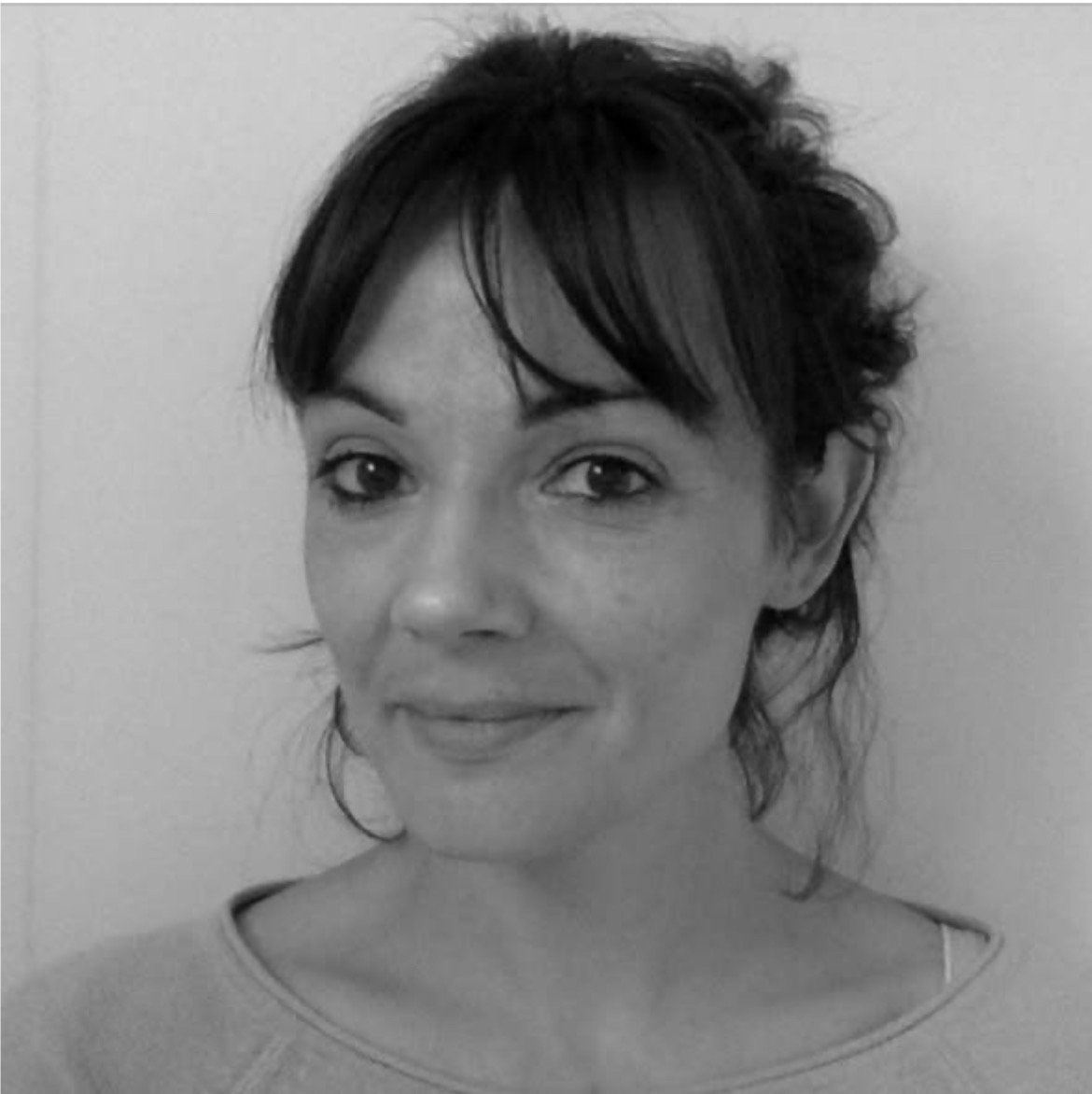
Andi Kerr Little, psychotherapist
About

Andi Kerr Little

I'm a Scottish psychotherapist. I moved to Oslo over a decade ago and I've been in private practice for ten years. Before that, I studied psychology and applied behaviour sciences, and I've trained in integrative psychotherapy, Compassionate Inquiry, and the Safe and Sound Protocol.

Most of my clients are English-speaking expats living in Oslo, Stockholm, Gothenburg, Malmö, or elsewhere in Scandinavia. I work in person at my practice in Oslo and online via Zoom. I specialise in expat life, cultural adjustment, anxiety, burnout, depression, relationship issues, and identity questions.

I don't follow one rigid therapeutic model. I work integratively, which means I adapt the approach to what you need rather than expecting you to fit into a set framework. Therapy is collaborative. You're not a passive recipient of treatment. We work together to understand what's happening and what needs to change.

BSc Psychology, MSc Applied Behaviour Sciences
Trained in integrative psychotherapy (integrativ-terapi.no)
Trained in Compassionate Inquiry (Dr. Gabor Mate)
Certified in Safe and Sound Protocol (Unyte)

Common Issues I Work With

Individual therapy can help with a wide range of emotional and psychological issues. Here are some of the most common areas I work with in my practice.

What Clients Say

I'd been trying to find someone in Stockholm for months and kept hitting the same wall. Either they didn't speak English well enough or they did but didn't really get the cultural side of things. Working with Andi over Zoom has been a completely different experience. She understands the expat context without me having to explain it every session. That saves so much time and energy. We've been able to focus on the actual work rather than the background noise. I wish I'd found her earlier.

M.T.
M.T.
Individual Therapy · Stockholm

I wasn't sure about doing therapy online at first. I thought it would feel detached or less effective somehow. But honestly, it's been just as good as in-person sessions I've had before, maybe better because I can do it from home and I don't have to commute anywhere. Andi's approach is really grounded. She doesn't just nod along and wait for you to figure it out yourself. She asks the right questions at the right time and that's made a huge difference for me. I've been able to untangle patterns I've been stuck in for years.

L.R.
L.R.
Individual Therapy · Gothenburg

What I appreciate most is that Andi doesn't try to fix me or hand me a list of coping strategies and call it done. The work we do is about understanding why I react the way I do, what those reactions are protecting me from, and how to shift the underlying patterns. It's slower and harder than just learning techniques, but it actually creates lasting change. I feel like I'm finally dealing with the root of things instead of just managing symptoms. That's what I needed and it's what I got.

D.K.
D.K.
Individual Therapy · Malmö

Book a Free Consultation

20-minute call to discuss what you're looking for and whether my approach feels like a good fit. No obligation, just a conversation.

Frequently Asked Questions

I'm not just a therapist who offers English sessions. I'm Scottish. English is my first language, my cultural language, the language I think and feel in. I understand the humour, the irony, the understatement. I know what it's like to move to Scandinavia and live as an outsider, because I've done it. I moved to Oslo over a decade ago and I've worked through the same cultural gaps, the same sense of being slightly outside the loop, that many expats describe. When you work with someone who shares your cultural world, you don't have to explain the context every time you mention something from home. That familiarity creates a different kind of space. It means we can go deeper, faster, because the baseline understanding is already there. I also work integratively, which means I don't follow one rigid model. I adapt the approach to what you need, rather than expecting you to fit into a set framework.

There's no set timeframe. Some people come for a few months to work through a specific issue or transition. Others stay for a year or more, using therapy as a space to explore deeper patterns and make longer-term changes. I work at your pace. We review progress regularly and you're never locked into a contract or expected to continue indefinitely. Some clients come weekly, others fortnightly, and we adjust the frequency based on what feels useful. The idea is that therapy adapts to your life, not the other way around. If you're dealing with something acute, like a breakup or a job change, short-term work might be enough. If you're looking at attachment patterns, chronic anxiety, or questions about identity and purpose, it often takes longer. Either way, the structure is flexible and we talk openly about what's working.

No, I work in English only. I speak some Norwegian after ten years in Oslo, but I'm not fluent enough to offer therapy in Norwegian. My practice is designed for English speakers, particularly expats and people who are more comfortable processing difficult emotions in their first language. That's a very specific group and it's where I can offer the most value. If you're looking for therapy in Norwegian, I'm not the right fit. But if you're an English speaker who's struggled to find a therapist who really understands your cultural context, that's exactly what I'm here for. All my sessions are conducted in English and I work with clients across Sweden, Norway, and Denmark via Zoom, as well as in person in Oslo.

If you're in Oslo, you can come to my practice at Ruseløkkveien 59, which is two minutes from Aker Brygge. It's a quiet, comfortable space with good natural light and privacy. If you're elsewhere in Sweden, or anywhere in Scandinavia, we work online via Zoom. Online therapy works just as well as in-person for most people. The connection is the same, the depth is the same, and the structure is the same. You get the same 50-minute session, the same consistency, the same level of attention. The only difference is the medium. Some people actually prefer online sessions because they can do them from home, which can feel safer, especially at the start. You don't have to travel, you don't have to sit in a waiting room, and you can structure the session into your day more easily. I've been working online with clients across Scandinavia for years and it's become a core part of how I work.

I work integratively, which means I draw on different therapeutic approaches depending on what you need. The foundation is integrative psychotherapy, which focuses on understanding the whole person rather than just treating symptoms. I also use Compassionate Inquiry, a method developed by Dr. Gabor Mate that looks at the root of emotional patterns rather than just managing the surface issues. It's a gentle, curious approach that asks what's underneath the anxiety, the anger, the avoidance. Why does this pattern exist? What was it protecting you from? That kind of inquiry often leads to real shifts, because it addresses the cause rather than just the behaviour. Sessions are 50 minutes, usually weekly or fortnightly, and we start with a free 20-minute consultation so you can get a sense of how I work before committing to anything. Therapy is collaborative. You're not a passive recipient of treatment. We work together to understand what's happening and what needs to change.

Session fees are discussed during the free consultation and vary depending on whether you're working in person or online, and whether you're booking as an individual or a couple. I work privately, which means sessions are not covered by the Norwegian public health system or Swedish insurance, but many clients choose to use private health insurance if they have it. I keep a small number of reduced-fee slots available for people who wouldn't otherwise be able to access therapy, so if cost is a barrier, mention it during the consultation and we can discuss options. Fees are transparent and agreed upfront. There are no hidden costs and no pressure to commit beyond what feels right for you. Therapy is an investment, both financially and emotionally, and I want to make sure it feels sustainable from the start.

No. You can book directly without a referral from a doctor or any other professional. This is private therapy, which means you contact me, we have a free consultation, and if it feels like a good fit, we book the first session. There's no waiting list, no gatekeeping, and no requirement to go through the public system first. That also means you have full control over the process. You decide when to start, how often to meet, and when to finish. Some people prefer the structure and lower cost of public services, and that's completely valid. But if you value flexibility, privacy, and the ability to choose your therapist based on fit rather than availability, private therapy is often a better option. Many of my clients are expats who've tried the public system and found it difficult to access English-speaking support, or who simply want someone who understands their cultural background.

Book a free 20-minute consultation using the form on this page, or contact me directly by phone or email. The consultation is a chance for us to talk about what's going on, what you're looking for, and whether my approach feels like a good fit. There's no obligation and no pressure. If we decide to work together, we'll book the first session. If not, that's fine too. I can sometimes suggest other therapists or resources if I'm not the right person for what you need. Getting started is the hardest part for a lot of people. There's often a sense of shame or hesitation around asking for help, especially if you've been managing on your own for a long time. But reaching out is the first step, and it's also the bravest one. Once you've made contact, the rest tends to follow more easily. You don't have to have everything figured out before you start therapy. That's what the process is for.

Individual Therapy in Other Locations

Related Services

Ready to Get Started?

Book a free 20-minute consultation. No obligation, just a conversation about what you're looking for and whether my approach feels like a good fit.

Book Free Consultation