Loneliness, disorientation, and the slow unravelling of who you thought you were. Living abroad can be harder than anyone prepared you for. I work with English-speaking expats in Oslo who are trying to make sense of it.
Expat life often begins with optimism. There is a job, a plan, a sense of adventure. The practical elements fall into place. But somewhere beneath the surface, something else is happening. A gradual erosion of familiarity. The absence of a social structure that once held you without your noticing. The realisation that you are operating in a second language even when the conversation is in English, because the cultural codes are different and you are constantly translating.
Loneliness in this context is not about being alone. It is about feeling unseen in a room full of people. It is about the effort required to explain yourself in every interaction, and the exhaustion that comes from never quite landing. There is often a flatness that was not there before, a sense that the colour has gone out of things. For some people, this registers as depression. For others, it is more subtle. A numbness. A feeling of going through the motions.
Identity becomes unstable when the context that formed it is no longer present. You notice yourself becoming quieter, or more performative, or unsure of who you are when no one in the room knows your history. There is grief in this, though it is hard to name. The life you left is still there, but you are not in it. That is a particular kind of loss. There is also the question of whether to stay or leave, which for many expats becomes a source of constant low-level anxiety. The decision is never final, and the ambiguity itself is wearing.
What I notice in my work with expats is that these difficulties are often dismissed, by the person experiencing them and by others, as adjustment issues that will pass with time. But for many people, they do not pass. They deepen. And without the right kind of attention, they begin to shape the architecture of daily life in ways that are hard to undo.
Therapy for expat life is not about adjusting faster or becoming more resilient. It is about naming what is actually happening and creating space for it to be understood.
In our sessions, we start by slowing down. Expat life often involves a constant forward motion, a sense that you should be coping better or integrating faster. Therapy is the place where that pressure is lifted. We pay attention to what is present beneath the surface. The loneliness that has no clear cause. The grief for a life that is not lost but no longer accessible. The identity shifts that feel disorienting but have not been acknowledged. We also look at patterns. How do you relate to others when you feel like an outsider? What happens to your sense of self when the familiar is no longer available? How do you hold the tension of being here and longing to be elsewhere?
Much of the work is about making room for ambiguity. Expat life is full of contradictions. You can love the place and still feel lonely. You can be grateful for the opportunity and still grieve what you left. You can want to stay and also want to leave. Therapy allows those contradictions to coexist without needing to be resolved immediately. We also work with the relational impact of living abroad. For couples, expat life can expose fault lines that were manageable before. For parents, raising children in a culture that is not your own brings specific challenges around identity, belonging, and what you are passing on. These are not problems to be fixed, but they do require attention.
I have never met an expat who did not, at some point, wonder whether the difficulty was the place or something inside themselves.
The process is gradual. Over time, we build a clearer picture of what expat life is asking of you, and what you are asking of it. We work to identify what is sustainable and what is not. For some people, therapy clarifies the decision to stay. For others, it makes space for the decision to leave. And for many, it provides a way to live in the ambiguity without it becoming unbearable. Sessions are 50 minutes, in person in Oslo or via Zoom. The work is ongoing until it is not.
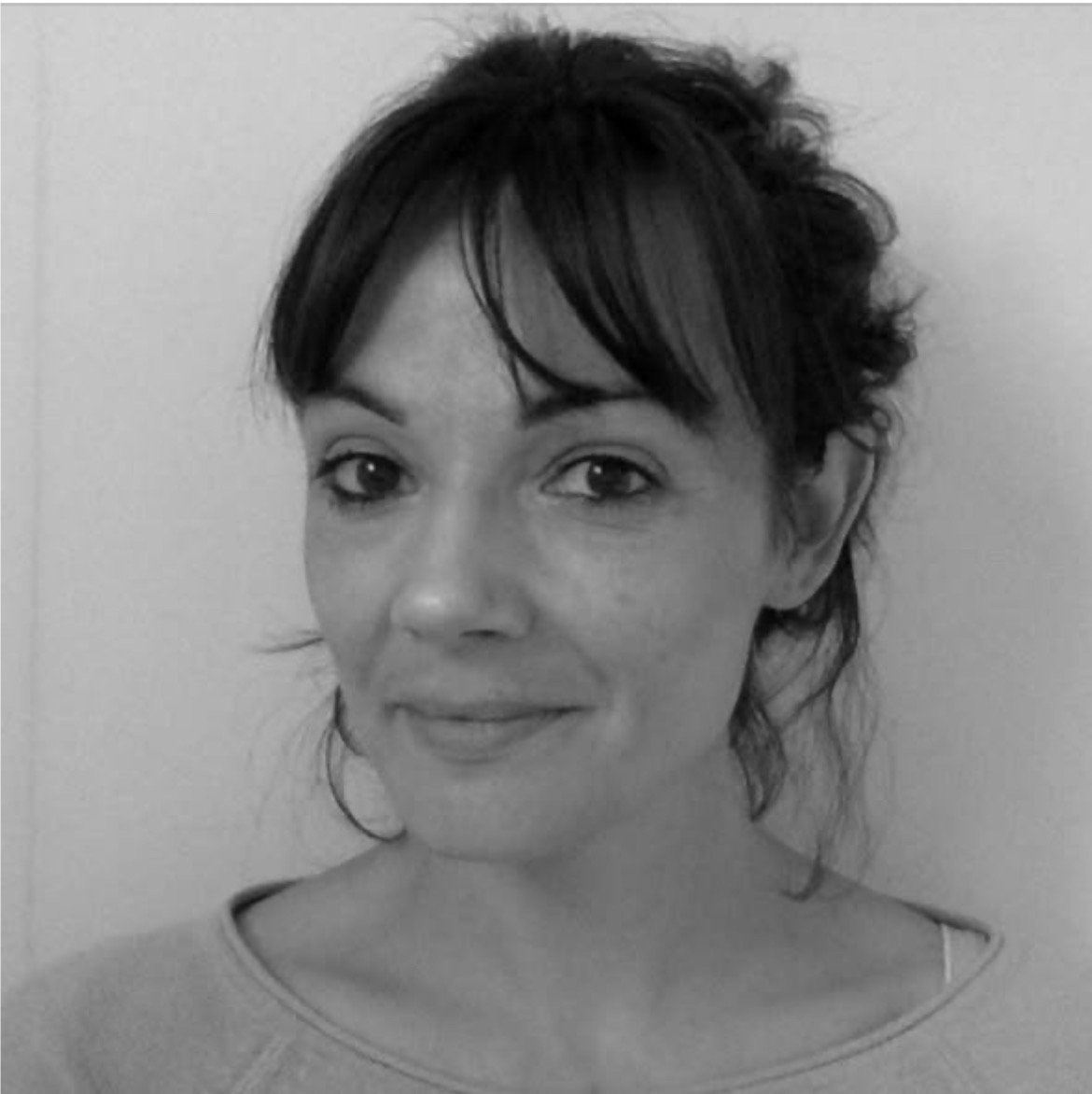
I moved to Oslo from Scotland over 10 years ago. I understand what it feels like to arrive with optimism and watch it slowly give way to something more complicated. I know the specific loneliness of expat life, the cultural disorientation, the questions about whether you made the right choice. That lived experience informs the way I work. I do not approach expat life as something that needs to be overcome. I approach it as a psychologically significant experience that deserves to be understood on its own terms.
I trained in integrative psychotherapy, which means I draw from multiple approaches depending on what the work requires. I have also trained specifically in Compassionate Inquiry with Dr. Gabor Maté, and in the Safe and Sound Protocol, which works with the nervous system. Over 10 years in private practice, I have worked almost exclusively with English-speaking expats in Scandinavia. This is not one of many populations I see. It is my focus.
I work in English, and I work from the assumption that therapy in your mother tongue allows for a depth and precision that is hard to access otherwise. Sessions take place either in person at my practice on Ruseløkkveien 59 in Oslo, or via Zoom if you are elsewhere in Norway, Sweden, or Denmark. I offer a free 20-minute consultation to anyone considering therapy, so we can talk about what you are looking for and whether I am the right fit.
Honest answers to questions people ask when they are trying to understand whether what they are experiencing is normal, significant, or something that requires attention.
Expat identity is the sense of self that develops when you live outside the culture that formed you. It often involves a feeling of being between worlds. Not quite belonging in the place you live, but no longer fully belonging in the place you came from. This can create a persistent sense of displacement, and for some people it becomes a source of ongoing psychological strain.
Because the difficulties of expat life are specific and often invisible to people who have not experienced them. A therapist who understands this context will not treat loneliness, identity confusion, or cultural disorientation as personal failings. They will recognise them as predictable responses to living across cultures, and they will know how to work with them accordingly.
Culture shock is the psychological disorientation that can occur when you move to a new cultural environment. It often includes phases of excitement, frustration, adjustment, and sometimes a kind of low-level grief. Therapy helps by naming what is happening, normalising the difficulty, and providing space to process the loss and identity shifts that accompany it.
Expat loneliness is often not about being alone. It is about feeling unseen or misunderstood in a room full of people. It is the loneliness of constant translation, of not being known in the way you were known before, of missing the ease of being understood without having to explain yourself. This kind of loneliness can persist even when you have a social life.
Third culture refers to the identity that forms when you live between two or more cultures. For adults, this can mean feeling like you do not fully belong anywhere. You carry multiple cultural influences, but none of them feel entirely yours. This can create a sense of rootlessness, and for some people it becomes a significant source of psychological difficulty.
This grief is often ambiguous, because the life you left is still there. It is not lost, but it is no longer accessible in the same way. Therapy helps by naming this as a real form of loss, and by creating space to process it without the pressure to move on or be grateful for the new life you have built.
Look for someone who understands expat life firsthand, who works in your native language, and who does not treat cultural adjustment as something that just takes time. You want a therapist who sees the psychological significance of living across cultures, and who has experience working with the specific patterns that emerge in this context.
From people who came to therapy with the challenges of expat life.
I spent two years telling myself I just needed to adjust, but the loneliness was getting worse, not better. Working with Andi helped me see that what I was experiencing was not a personal failure. She understood the specific texture of expat life in a way that no one else had. The fact that she has lived it herself made all the difference. I could finally talk about how hard it was without feeling like I was being ungrateful.
Therapy with Andi gave me permission to admit that I was struggling. I had this narrative that I was living the dream, so I felt like I couldn't complain. But underneath that I was miserable. Andi helped me understand that you can be grateful and still grieve what you left behind. That contradiction doesn't have to be a problem. The work we did together helped me make sense of what I was actually feeling, not what I thought I should be feeling.
What helped most was that Andi didn't try to fix me or push me to integrate faster. She just let me talk about how disorienting it all was. The identity stuff, the constant low-level stress of never quite fitting in, the exhaustion of translating myself in every interaction. It was the first time I felt like someone actually got it. The sessions gave me a place to process what was happening without the pressure to be okay with it.
A 20-minute call to talk about what you are looking for and whether I am the right fit. No pressure, no obligation.
I have lived in Oslo for over 10 years. I moved here from Scotland, and I still remember how disorienting the first few years were, even though on paper I had everything in place. That lived experience means I understand the texture of expat life in a way that goes beyond theory. I know what it feels like to navigate a culture where social codes are subtle and unfamiliar, to sit with homesickness that no one else in the room seems to share, to wonder whether the difficulty is the place or something wrong with you. I also work almost exclusively with English-speaking expats in Scandinavia, which means this is not one of many populations I see. It is my clinical focus. Over 10 years in private practice, I have developed a real understanding of the patterns that come up for people living across cultures, and I have trained specifically in approaches that suit this kind of work, including Compassionate Inquiry and attachment-informed therapy.
Yes. I am a native English speaker, and I work exclusively in English. This is one of the core reasons people come to see me. Therapy in your mother tongue allows for a level of nuance and emotional precision that is difficult to access in a second or third language, no matter how fluent you are. When people are working through grief, loneliness, identity questions, or trauma, being able to speak in the language that feels most familiar can make the difference between describing something and actually feeling it. That said, I work with people from all over the world. My clients are English speakers from the UK, the US, Canada, Australia, South Africa, Ireland, and elsewhere. What matters is that English is the language you think and feel in.
The most common themes I see are loneliness, a sense of not quite belonging, grief for the life or identity left behind, difficulty with cultural adjustment, and questions about whether to stay or leave. I also work with people navigating relationship strain that has emerged or intensified since the move, parenting challenges specific to raising children abroad, and identity shifts that come from living outside the context where you were formed. Some people come because they are struggling with anxiety or depression that began after relocating, and we trace it back to a lack of rootedness, an absence of community, or the effort of constantly translating yourself. Others come because they feel fine on the surface but notice a flatness or numbness that was not there before. Expat life can be isolating in ways that are hard to name, and therapy is often the first place people have the chance to speak about it honestly.
The difference is not in the method but in the attention paid to context. In expat therapy, I work from the assumption that living across cultures is itself a psychologically significant experience, not just a logistical detail. That means we take seriously the impact of displacement, cultural difference, language barriers, and the absence of a familiar social structure. We pay attention to how identity shifts when the context that shaped it is no longer present, and we explore what it means to grieve something that is not lost but no longer accessible in the same way. Many expats experience a kind of ambiguous loss, where the life they left is still there, but they are not. That is a specific psychological pattern, and it requires space to be understood. In regular therapy, these issues might be acknowledged but not centered. In expat therapy, they are the frame.
Yes. I work with people across Norway, Sweden, and Denmark via Zoom. The therapy is the same whether we meet in person or online. Video sessions allow for the same depth of attention, and for many expats they are more practical. If you are in a smaller city or somewhere without access to English-speaking therapists, online therapy makes the work possible. Some clients prefer to start online and then move to in-person sessions once they are in Oslo, or they alternate depending on their schedule. The important thing is that the work feels consistent and that you have a space where you can speak freely in your own language, regardless of where you are physically located.
I have been in private practice for 10 years, and during that time I have worked almost exclusively with English-speaking expats in Scandinavia. Over the course of a decade, I have seen hundreds of people move through the particular difficulties that come with living abroad, and certain patterns have become familiar. The loneliness that feels different from loneliness at home. The identity questions that surface when you are no longer surrounded by people who knew you before. The strain on relationships when one partner is thriving and the other is struggling. The specific grief of raising children in a culture that is not your own. I have also lived this experience myself for over 10 years, which means my understanding of expat life is not just clinical. It is personal and ongoing.
Sessions are 50 minutes and cost NOK 1,400. Payment is made via Vipps or bank transfer after each session. I do not currently accept insurance, but I can provide a receipt that some clients are able to submit for partial reimbursement depending on their coverage. If cost is a concern, we can discuss it during the free 20-minute consultation. I do occasionally have reduced-fee slots available for people in financial difficulty, though these are limited. My priority is making sure the people I work with can commit to the process without financial strain becoming an additional source of stress.
The first step is to book a free 20-minute consultation. You can do that through the form on this page, by calling +47 906 02 994, or by emailing andikerrlittle@gmail.com. During the consultation, we talk about what has brought you to therapy, what you are hoping for from the work, and whether I am the right fit. If it feels like a good match, we schedule a first session. Sessions take place either in person at my practice on Ruseløkkveien 59 in Oslo, or via Zoom if you are elsewhere in Scandinavia. The consultation is a chance to ask questions, get a sense of how I work, and decide whether this feels like the right space for you.
If what you have read here feels familiar, I would like to hear from you. Book a free 20-minute consultation and we can talk about whether this is the right approach for what you are going through.
Book a free call +47 906 02 994