Burnout is not a question of willpower or rest. It is what happens when the structures around you, or the expectations you carry, have asked more than was sustainable. Recovery requires understanding what led to depletion, not just waiting it out.
Burnout is a condition of sustained depletion. It develops when demands on your capacity, whether from work, caregiving, or your own internal standards, exceed what can be replenished through ordinary rest. The distinguishing feature is not tiredness, which responds to sleep or downtime, but a deeper exhaustion that does not improve with rest alone. Recovery becomes structurally difficult because the conditions that caused the depletion remain unchanged.
Burnout often includes a shift in how you relate to work or responsibility. What once felt purposeful begins to feel mechanical. There is a growing sense of detachment, sometimes described as emotional numbness or cynicism. Tasks that were manageable become effortful. Concentration weakens. Decision-making becomes harder. Small things that would not usually matter begin to feel overwhelming. There is often a sense of operating on autopilot, going through the motions without genuine engagement.
Physically, burnout can present as persistent fatigue, changes in sleep patterns, headaches, muscle tension, or a general sense of being unwell. Some people notice an increase in minor illnesses, as though the body's resilience has lowered. Emotionally, there is often a flatness, a lack of pleasure in things that used to matter, or a low-level irritability that sits just below the surface. The capacity to care, whether about work, relationships, or yourself, may feel diminished.
Burnout does not happen suddenly. It is cumulative. It builds over time in response to chronic stressors, particularly when there is little control over workload, limited support, unclear expectations, or a persistent mismatch between what is demanded and what is sustainable. For expats, burnout can be compounded by the additional labour of navigating life in a second language, managing cultural expectations that do not align with your own, or the absence of familiar support structures. The condition is not a personal failing. It is a response to conditions that exceeded what was manageable within the resources available.
Burnout recovery in therapy focuses on understanding the patterns, pressures, and structures that led to depletion, and on building a more sustainable way forward.
In our sessions, we start by establishing what burnout has affected and where your capacity currently sits. This is not about pushing you to function at a level you cannot sustain. It is about creating an honest picture of what is manageable right now, and where the primary drains on your energy are located. Some of those drains will be external, such as workload, workplace culture, or caregiving responsibilities. Others will be internal, such as perfectionism, difficulty setting boundaries, or a belief that your value depends on productivity. Both need attention.
Therapy for burnout involves examining the conditions that made collapse likely. This might include looking at how you learned to relate to work, what messages you received about rest, what happens when you try to say no, or what it means to you when you are not performing at your usual level. We also look at what has changed structurally. Burnout often occurs when demands increase, support decreases, or the gap between expectation and reality becomes too wide to manage. Understanding those shifts helps clarify what needs to change for recovery to be possible, not just temporary.
Burnout does not resolve by returning to the same conditions that caused it. Recovery means finding a different relationship with work, rest, and your own limits.
As the work progresses, we focus on rebuilding capacity in a way that does not replicate the patterns that led to burnout. This might involve setting boundaries you have never set before, renegotiating aspects of your work or home life where that is possible, learning to recognise early signs of overextension, or addressing the internal pressure that makes rest feel impossible. For many people, burnout also involves grief for what has been lost, whether that is a sense of competence, enjoyment in work, or trust in your own body. That grief needs space, not optimism. Recovery is not about returning to peak productivity. It is about finding a baseline where you can function without constant depletion, and where rest is genuinely restorative rather than another thing you feel you should be better at.
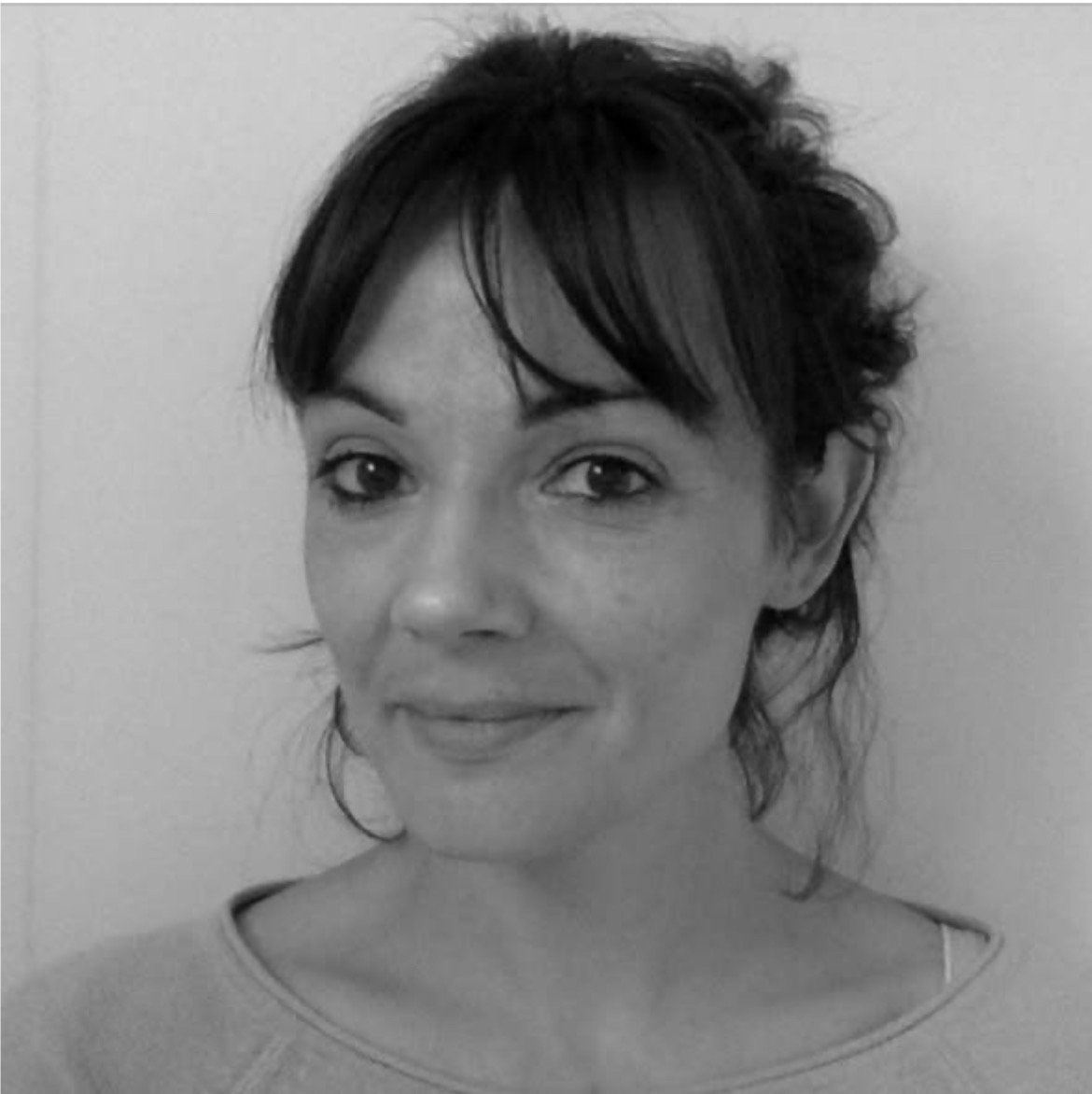
I am a Scottish psychotherapist and I have been living and working in Oslo for over ten years. I trained in integrative psychotherapy, which means I draw on different approaches depending on what the work requires. I have additional training in Compassionate Inquiry, a method developed by Dr. Gabor Maté that focuses on understanding the roots of emotional patterns, and in the Safe and Sound Protocol, a nervous system intervention that can be particularly useful for people whose bodies are still in a state of chronic activation.
I work in English, which matters particularly for expats. Burnout is difficult enough to talk about without having to do it in your second or third language. I understand the specific pressures that come with living as an expat in Scandinavia, the mismatch between how you thought things would be and how they actually are, the isolation of not having your usual support structures, and the additional labour of managing life in a culture that is not your own. That context matters when we are trying to understand what led to burnout and what recovery might require.
I see people in person at my practice in Oslo, or via Zoom if you are elsewhere in Scandinavia. Sessions are fifty minutes, usually weekly. I offer a free twenty-minute consultation before you commit to anything, so we can talk about what is happening for you and whether this kind of work makes sense at this point. My approach is direct, considered, and shaped by a decade of working with people who are trying to navigate life in a place that is not quite home.
Some practical information about burnout, what causes it, and what recovery actually involves.
Burnout is distinguished by sustained exhaustion that does not improve with rest, emotional detachment from work or responsibilities, reduced sense of accomplishment, and physical symptoms such as persistent fatigue or increased illness. If a weekend or holiday provides only temporary relief, and the underlying depletion returns as soon as you resume normal activity, that pattern suggests burnout rather than ordinary tiredness.
Burnout and depression can overlap, but they are not the same. Burnout is context-specific, usually tied to work or sustained caregiving. Depression is broader and affects multiple areas of life, not just one domain. Burnout improves when the stressor is removed or reduced. Depression persists regardless of circumstance. Both conditions benefit from therapy, but the approach differs depending on whether the primary driver is situational or clinical.
Rest addresses fatigue but not the structural or psychological conditions that caused burnout. If you return to the same workload, expectations, or internal pressures after resting, depletion resumes. Burnout recovery requires changing the conditions that exceeded your capacity, whether those are external demands, internal standards, or a combination of both. Rest is necessary, but it is not sufficient on its own.
Expat life involves additional cognitive and emotional labour that is often invisible. Navigating a second language, managing unfamiliar bureaucracy, adjusting to different workplace norms, and lacking your usual support networks all increase baseline stress. Cultural expectations around work-life balance, communication styles, or social connection may not align with what feels natural to you, creating friction that adds to overall load. These factors compound workplace stress and make recovery harder.
Recovery is not about returning to how things were before burnout. It is about finding a sustainable baseline where you can function without constant depletion. This involves reducing or renegotiating external demands where possible, addressing internal drivers such as perfectionism or difficulty setting boundaries, and rebuilding capacity for rest that is genuinely restorative. Recovery takes time and requires structural change, not just willpower.
Yes, though it is more difficult. Therapy focuses on making incremental changes within the constraints you are managing. This might involve setting smaller boundaries, identifying what can be delegated or reduced, or finding ways to create brief periods of genuine rest within your existing schedule. Some people benefit from taking medical leave if that is an option. Others work through burnout while remaining employed. Both paths are valid, and the approach adjusts accordingly.
Look for someone who understands burnout as a structural issue, not a personal failing. A good therapist will ask about the conditions that led to burnout, not just how you feel about it. They should be able to discuss practical boundary-setting alongside deeper psychological patterns. For expats, working with someone who understands the specific pressures of living abroad, and who speaks your first language, makes a significant difference in how effectively you can work.
From people who came to therapy for burnout.
I went to Andi after I basically crashed at work. I thought I just needed to sleep more, but it turned out there was a lot underneath that I hadn't looked at. She helped me see where I was pushing past my limits and why that felt necessary. It wasn't a quick fix, but I got to a point where I could work without constantly feeling like I was running on empty. The fact that she's lived here as an expat herself made a difference because she understood the specific pressures without me having to explain them.
Burnout is such a vague term until you're actually in it. For me it showed up as just not caring anymore about things that used to matter. Andi was really clear about what we were working on and why. She didn't do the reassuring therapist thing, which honestly I appreciated. We focused on the actual patterns that got me there, not just how to rest better. I'm still figuring it out, but I have a much better sense now of what my actual limits are and when I'm ignoring them.
I had been burnt out for probably two years before I realised what it was. Just thought I was tired or not managing well enough. Working with Andi helped me understand how much of it was about the environment I was in and how much was internal pressure. She's direct but in a way that felt helpful rather than harsh. It took longer than I expected to recover, but the work we did meant I didn't just go back to the same patterns. Being able to do it in English over Zoom made it possible for me to fit it in without adding more stress.
Twenty minutes to talk about what is happening and whether therapy might help. No obligation to continue if it does not feel right.
Burnout is a state of physical, emotional, and mental exhaustion that comes from prolonged exposure to high levels of stress, particularly in work or caregiving contexts. It is distinguished from ordinary tiredness by several key factors. Where tiredness improves with rest, burnout does not. A weekend or even a holiday may bring temporary relief, but the underlying depletion remains. Burnout also involves a shift in how you relate to work or responsibility. What once felt meaningful begins to feel hollow. Motivation erodes. There is often a sense of cynicism or detachment, as though you are going through the motions without any real connection to what you are doing. Cognitively, burnout can affect concentration, decision-making, and memory in ways that simple fatigue does not. Emotionally, it often brings a flatness or numbness, rather than the irritability or sadness that might come with being overtired. Burnout is not a personal failing. It is a response to structural or relational conditions that have exceeded your capacity to recover within the context you are in.
Rest is necessary, but it is rarely sufficient for burnout recovery. Burnout develops when the conditions that caused the depletion remain unchanged, and rest alone does not address those conditions. Therapy helps by creating space to understand the patterns, pressures, and beliefs that contributed to burnout in the first place. This might include examining perfectionism, difficulty setting boundaries, a sense of obligation that overrides your own limits, or systemic issues in your work or home environment that are unsustainable. Therapy also helps you rebuild a more sustainable relationship with work, responsibility, and rest itself. Many people with burnout have lost the ability to rest effectively because the internal pressure does not switch off. In our sessions, we work on restoring that capacity, not just by talking about rest, but by addressing the underlying drivers that make rest feel impossible or guilt-inducing. The goal is not to return to how things were before burnout, but to find a way forward that does not replicate the conditions that led to collapse.
Burnout recovery is not linear, and the timeline depends on several factors including how long you have been burnt out, what structures or pressures remain in place, and what kind of changes are possible in your life. Some people notice shifts in how they relate to work and rest within the first few months of therapy. Others require longer-term work, particularly if burnout has been compounded by other issues such as trauma, chronic stress, or lack of systemic support. Early sessions often focus on stabilisation, which means finding ways to reduce immediate strain and begin restoring basic capacity. This might involve practical boundary-setting, renegotiating workload where possible, or addressing patterns of self-overriding. Deeper work follows, looking at why those patterns developed and what a more sustainable approach might look like for you specifically. Recovery is not about returning to peak productivity. It is about finding a baseline where you can function without constant depletion. Some people work with me for three to six months. Others continue for a year or more, particularly if they are navigating significant life or career transitions alongside burnout recovery.
Yes. I am a native English speaker, originally from Scotland, and I have been practising in Oslo for over ten years. All sessions are conducted in English. This matters particularly for expats, because burnout is often compounded by the stress of living and working in a second language or navigating a workplace culture that feels foreign. Being able to speak in your first language, with someone who understands the cultural and professional pressures that English-speaking expats face in Scandinavia, makes a significant difference in how deeply we can work. You do not have to translate your experience, either linguistically or culturally. I understand what you are referring to when you talk about work-life balance expectations that do not match your reality, the pressure to appear effortlessly competent in a new system, or the isolation that comes from not having your usual support structures around you. Therapy for burnout in English allows you to be precise about what you are experiencing, which is essential for effective work.
Yes. I offer both in-person sessions in Oslo and Zoom sessions for clients anywhere in Scandinavia. Burnout therapy works well online, particularly for people whose schedules or energy levels make travel difficult. Zoom sessions are fully confidential, and the quality of the work is the same as in-person therapy. Many clients with burnout actually prefer online sessions during the early stages of recovery because it removes the additional strain of commuting. You can join from home, which can feel less exposing when you are already depleted. If you live outside Oslo, or if you are in Oslo but find it easier to meet online, Zoom is a practical option. Some clients begin online and later transition to in-person sessions once their energy has stabilised. Others continue online throughout. Both paths are valid, and we can adjust the format as needed. What matters most is consistency and creating a structure that supports your recovery rather than adding to your load.
Burnout therapy sessions are fifty minutes and take place either in person at my practice in Oslo or via Zoom. The structure is conversational rather than prescriptive. Early sessions focus on understanding how burnout has affected you specifically, what patterns or pressures led to it, and what your current capacity is. We talk about what has changed in how you relate to work, rest, relationships, and yourself. I pay attention to what is underneath the exhaustion, because burnout is rarely just about workload. It often involves perfectionism, a deep sense of obligation, difficulty saying no, or a belief that your value is tied to productivity. Sessions might involve exploring where those patterns came from, what purpose they served, and whether they still serve you now. As the work progresses, we focus on building new structures, both internal and external. This might mean setting boundaries you have never set before, renegotiating aspects of your work or home life, or learning to recognise early signs of overextension before they lead to collapse. Sessions are not about pushing you to do more. They are about creating space for something different to emerge.
I work privately, which means therapy is not covered by the Norwegian public health system. My fee is 1200 NOK per fifty-minute session. Payment is made directly via Vipps or bank transfer. I do not offer sliding scale fees, but I do offer a free twenty-minute consultation before you commit to starting therapy. This gives us a chance to talk about what you are experiencing, whether therapy is the right approach for you at this point, and what working together might look like. For people with burnout, cost is often a real consideration, particularly if burnout has affected your work situation or income. If private therapy is not financially viable for you right now, I can suggest other resources or options in Oslo. What I do not want is for financial concern to prevent you from reaching out for an initial conversation. The consultation is free, and there is no obligation to continue beyond that if it does not feel like the right fit.
The first step is to book a free twenty-minute consultation. You can do that by filling in the contact form on this page, or by emailing me directly at andikerrlittle@gmail.com or calling +47 906 02 994. The consultation is a short conversation, either by phone or Zoom, where we talk about what is happening for you, whether therapy might help, and how I work. It is also a chance for you to get a sense of whether you feel comfortable working with me. There is no pressure to commit, and no expectation that you will continue if it does not feel right. If we do decide to work together, we will arrange a first full session, either in person at my practice in Oslo or via Zoom. Sessions are fifty minutes and usually take place weekly, though we can adjust frequency depending on your needs and circumstances. Burnout often involves a loss of agency, so I want the process of starting therapy to feel as straightforward and low-pressure as possible. Reach out when you are ready.
Book a free 20-minute consultation to talk about what is happening and whether therapy might help. No obligation to continue if it does not feel right.
Book a free call +47 906 02 994