Individual Therapy · Oslo, Norway

Individual Therapy in Oslo, Norway in English

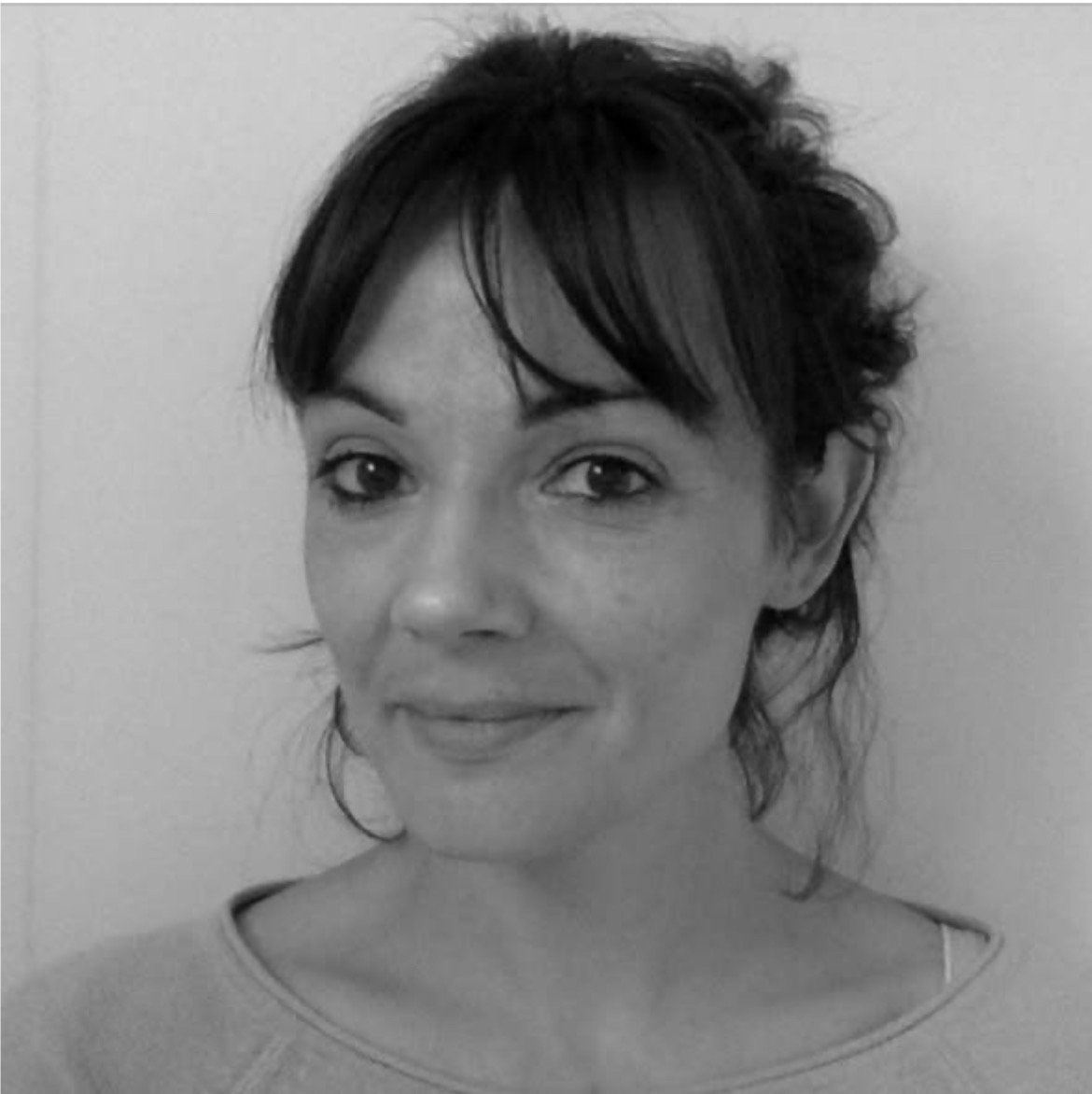
I'm Andi Kerr Little, a Scottish psychotherapist based in Oslo. I offer one-to-one therapy in English for expats, international professionals, and anyone who thinks and processes emotions more naturally in their native language. Sessions are available in person at my practice in central Oslo or online via Zoom.

Individual therapy session in Oslo
Qualifications BSc Psychology · MSc Applied Behaviour Sciences
Native English speaker Scottish. I understand your cultural world.
10 years in Oslo Lived expat experience in Norway
In-person & Zoom Ruseløkkveien 59, Oslo · Anywhere via Zoom

Individual Therapy in English, for Expats in Oslo

If you're reading this, there's a good chance you've been in Oslo for a while. Maybe you moved here for work, for a relationship, or just for the adventure. And maybe, at some point, things got harder than you expected.

Not in the obvious ways. You're probably doing fine on the surface. You have a job, friends, a routine. But underneath, something feels off. You're tired in a way that sleep doesn't fix. You feel disconnected, even when you're around people. You're not sure if you're homesick or just stuck. And when you try to explain it to someone who hasn't lived abroad, they don't quite get it.

That's where I come in. I'm a Scottish psychotherapist, and I've been living and working in Oslo for over 10 years. I understand what it's like to build a life somewhere foreign. To feel capable in so many ways, but also unmoored. To wonder if what you're experiencing is normal expat stuff or something deeper. To want help, but not know where to find someone who actually understands.

I work with English-speaking expats and international professionals in Oslo. People from the UK, Ireland, North America, Australia, South Africa. People who are articulate, self-aware, and used to figuring things out on their own. But who've realised that some things can't be figured out alone.

How I Work

I practice integrative psychotherapy, which means I draw from different therapeutic traditions depending on what's most useful for you. I'm also trained in Compassionate Inquiry, a trauma-informed method developed by Dr. Gabor Mate. It's not about managing symptoms or learning coping techniques, though those things can be part of the process. It's about understanding the deeper patterns beneath your current struggles.

Why do you push yourself so hard? Why do you find it difficult to relax, even when you have time? Why do certain situations trigger you in ways that seem out of proportion? Why do you feel lonely even when you're not alone?

These aren't rhetorical questions. They're the questions we explore together. Therapy isn't about me telling you what to do. It's about creating a space where you can think clearly, feel safely, and start to understand yourself in a way that actually helps.

Sessions are 50 minutes, weekly or fortnightly depending on what works for you. We can meet in person at my practice on Ruseløkkveien 59, just two minutes from Aker Brygge, or we can work online via Zoom if that's easier. I also work with clients across Norway, Sweden, and Denmark who prefer remote sessions.

Who This Is For

I work with a lot of people who are outwardly successful but privately struggling. People who are good at their jobs, good at relationships, good at keeping it together. But who feel like they're running on empty. Who wake up tired and go to bed wired. Who feel like they're performing a version of themselves rather than actually living.

I also work with people navigating big transitions. Moving countries, changing careers, ending relationships, becoming parents. The kind of life changes that don't have a clear script and that force you to reckon with who you are and what you actually want.

And I work with people dealing with the specific disorientation of expat life. The feeling of being caught between two places. The guilt of not being there for family back home. The loneliness of building a social life from scratch. The cultural friction that's hard to articulate but that wears you down over time.

If any of that resonates, we should talk.

Getting Started Is Simple

I know reaching out for therapy can feel like a big step. I've made it as straightforward as possible.

1

Free Consultation

We'll have a 20-minute conversation, either by phone or Zoom. You'll tell me a bit about what's going on, I'll explain how I work, and we'll see if it makes sense to move forward. No obligation.

2

First Session

If we decide to work together, we'll schedule your first 50-minute session. This is where we go deeper into what brought you here and what you're hoping to get from therapy. We'll also talk about logistics like frequency and format.

3

Ongoing Work

From there, we'll settle into a rhythm that works for you. Weekly or fortnightly sessions. In person or online. The work unfolds at your pace, and we adjust as needed.

Andi Kerr Little, psychotherapist in Oslo
About Me

I'm Andi Kerr Little, a Scottish Psychotherapist in Oslo

I moved to Oslo over 10 years ago, so I know what it's like to start over somewhere foreign. To navigate a new culture, a new language, a new way of being. To feel capable in some ways and completely lost in others.

I've been working as a psychotherapist for 10 years. I trained in integrative psychotherapy, which means I draw from different therapeutic traditions depending on what's most useful. I'm also trained in Compassionate Inquiry, a trauma-informed approach developed by Dr. Gabor Mate, and the Safe and Sound Protocol, a nervous system intervention designed by Dr. Stephen Porges.

Most of my clients are English-speaking expats. People from the UK, Ireland, North America, Australia, and South Africa. People who are articulate, self-aware, and used to managing on their own. But who've realised that some things can't be managed alone.

BSc Psychology, Abertay University Masters in Applied Behaviour Sciences Integrative Psychotherapy (integrativ-terapi.no) Compassionate Inquiry (Dr. Gabor Mate) Safe and Sound Protocol (Unyte, Dr. Stephen Porges)
Read Full Bio

Common Reasons People Come to Therapy

These are some of the issues I work with most often. If something here resonates, we should talk.

What People Say

I'd been in Oslo for three years and thought I was doing fine. But I wasn't sleeping, I was drinking more than I wanted to, and I felt disconnected from everything. Working with Andi helped me understand why. She's direct without being harsh, and she actually gets what it's like to be an outsider here. I wish I'd started sooner.

JR
J.R., Oslo
Individual Therapy

Therapy with Andi isn't about fixing you or giving you a list of things to do. It's about understanding yourself in a way that actually makes sense. She asks questions that I didn't know to ask myself. The work is hard, but it's the kind of hard that leads somewhere. I feel more grounded and more like myself than I have in years.

MK
M.K., Frogner
Individual Therapy

I was sceptical about online therapy, but it's worked better than I expected. Andi is thoughtful, present, and doesn't waste time on surface-level stuff. We get into the real issues quickly. I appreciate that she treats me like an adult who can handle complexity. If you're looking for someone who won't patronise you, this is it.

SC
S.C., Majorstuen
Individual Therapy (Zoom)

Book a Free 20-Minute Call

Not sure if therapy is right for you, or if we're a good fit? Let's talk. No obligation, no pressure. Just a conversation.

Common Questions

I'm not just someone who offers therapy in English. I'm a native English speaker from Scotland. English is my first language, and I grew up in that culture. That matters more than people realise. When you're trying to articulate something difficult, subtle shifts in language and understanding make a big difference. I understand the cultural references, the humour, the unspoken assumptions about how therapy works or what mental health means. I've also lived in Oslo for over 10 years, so I know what it's like to be an outsider here. I understand the expat experience from the inside. Not as theory, as lived reality. My approach is integrative psychotherapy combined with Compassionate Inquiry, a trauma-informed method developed by Dr. Gabor Mate. I focus on understanding the root of your patterns, not just managing symptoms. And I work with a lot of highly capable, successful people who are struggling in ways that don't fit the usual narratives about mental health.

There's no fixed timeline. Some people come for a few months to work through a specific issue or transition. Others stay longer because the work goes deeper or because they find ongoing support valuable. I work with people weekly or fortnightly depending on what makes sense for them. In the beginning, weekly sessions tend to be more effective because they build momentum and allow us to work in a more connected way. After a while, some people shift to fortnightly or monthly check-ins. Therapy isn't a quick fix, but it's also not meant to be endless. The goal is always to help you get to a place where you feel more capable, more connected to yourself, and less dependent on external support. How long that takes depends on what you're working with, how much capacity you have, and what pace feels right. I'm not interested in keeping people in therapy longer than they need to be.

No, I work exclusively in English. I speak Norwegian well enough to live here, but therapy requires a different level of fluency and cultural understanding. When you're working with something difficult, you need to be able to express yourself fully, without translating or editing. For English speakers, that means working with someone who understands not just the words but the context, the tone, the nuances. That's what I offer. If you're looking for therapy in Norwegian, I'm not the right fit. But if you're a native English speaker or someone who thinks and processes emotions more easily in English, that's exactly who I work with. Most of my clients are expats from the UK, Ireland, North America, Australia, and South Africa. People who are highly articulate in English and need a therapist who can match that.

I offer both. My practice is at Ruseløkkveien 59 in Oslo, about two minutes from Aker Brygge. It's a quiet, private space designed for therapy. Some people prefer in-person sessions because they find it easier to settle into the work when they're physically present. Others prefer online sessions via Zoom because of logistics, schedules, or just personal preference. I also work with clients across Scandinavia who aren't based in Oslo. Zoom sessions work well, especially once we've established a rhythm. The quality of the work doesn't depend on whether you're in the room or on a screen. It depends on the relationship, the consistency, and your willingness to engage. I don't have a strong preference either way. What matters is that you show up and that the format works for your life.

I work with integrative psychotherapy, which means I draw from different therapeutic traditions depending on what's most useful for you. The foundation of my work is relational and trauma-informed. I also use Compassionate Inquiry, a method developed by Dr. Gabor Mate that focuses on understanding the deeper patterns beneath your current struggles. It's not about managing symptoms or learning coping strategies, though those things can be part of the process. It's about understanding why you do what you do, what you're protecting yourself from, and what needs to shift for you to feel more like yourself. Sessions are conversational, not prescriptive. I'm not interested in giving advice or telling you what to do. The work is collaborative. You talk, I listen, and together we figure out what's going on under the surface. Some sessions are more exploratory. Others are more focused. It depends on where you are and what you need.

Session fees are discussed during the free consultation. I work privately, which means sessions are not covered by the Norwegian public health system. Some private health insurance policies may offer partial reimbursement, but that varies. If cost is a concern, we can talk about it openly. I do offer a limited number of reduced-fee slots for people who wouldn't otherwise be able to afford therapy. I also work with some clients fortnightly rather than weekly, which spreads the cost. Therapy is an investment, and I understand that not everyone is in a position to make that investment right now. But if you are, and if we're a good fit, the work we do together will be worth it.

No. You don't need a referral from a doctor or anyone else. You can contact me directly and book a free 20-minute consultation. That's the first step. It's a chance for us to talk, for you to get a sense of how I work, and for me to understand what you're looking for. If it feels like a good fit, we'll schedule your first session. If it doesn't, I'll do my best to point you in the right direction. Therapy works best when there's a sense of trust and alignment, and that's something you can usually feel pretty quickly. The consultation is informal, not an assessment. There's no obligation. It's just a conversation.

The easiest way is to book a free 20-minute consultation. You can do that through the form on this page, or you can call or email me directly. We'll arrange a time to talk, either on the phone or via Zoom. During that conversation, you can tell me a bit about what's going on and what you're hoping to get from therapy. I'll explain how I work, answer any questions you have, and we'll see if it makes sense to move forward. If we decide to work together, we'll schedule your first session. That first session is 50 minutes, and it's a chance to go deeper into what brought you here. After that, we'll decide together on a rhythm that works for you, whether that's weekly, fortnightly, or something else. If you're not sure whether therapy is right for you, the consultation is a good place to start.

Questions Worth Asking Before You Start

How do I know if I need therapy or just a difficult period to get through?

If you're asking the question, the answer is probably yes, you could benefit from therapy. Difficult periods happen to everyone, but when you find yourself stuck in the same patterns, unable to move forward, or feeling disconnected from yourself and others, that's when therapy makes sense. It's not about being broken. It's about having support while you figure things out.

What should I expect from a first therapy session?

The first session is mostly about getting to know each other. I'll ask you what brought you here, what you're hoping to get from therapy, and a bit about your background. You'll get a sense of how I work and whether it feels like a good fit. There's no pressure to reveal everything in the first session. We'll move at your pace.

How is integrative therapy different from CBT or other approaches?

CBT focuses on changing thought patterns and behaviours. It's useful for specific issues like phobias or panic attacks. Integrative therapy is broader. It combines different approaches depending on what's most useful for you. The focus is less on techniques and more on understanding the deeper patterns beneath your current struggles. It's relational, trauma-informed, and collaborative.

What is Compassionate Inquiry and how does it work?

Compassionate Inquiry is a method developed by Dr. Gabor Mate. It's about asking questions that help you understand the root of your patterns rather than just managing symptoms. Why do you react the way you do? What are you protecting yourself from? What would it take for you to feel safe enough to let go? It's gentle, curious, and focused on self-understanding rather than self-criticism.

How do I find the right therapist, what should I look for?

Fit matters more than credentials. A good therapist should make you feel heard, not judged. They should be able to hold complexity without rushing to fix you. Trust your instinct. If something feels off in the first conversation, it probably is. And don't be afraid to ask questions. A good therapist won't be defensive about their approach or unwilling to explain how they work.

Is online therapy as effective as in-person sessions?

Yes, for most people. The quality of therapy depends on the relationship and the consistency, not whether you're in the same room. Some people prefer in-person because it helps them settle into the work. Others prefer online because it's more convenient. I offer both, and I work with clients across Scandinavia who only do Zoom sessions. It works well once you get used to it.

How often should I have therapy sessions?

Weekly sessions work best in the beginning because they build momentum and allow you to go deeper without losing continuity. Once you're more stable or the work shifts, some people move to fortnightly sessions. It depends on what you're working with and what your life allows. We'll figure it out together based on what makes sense for you.

Individual Therapy in Other Locations

Related Services

Ready to Get Started?

Book a free 20-minute consultation. No obligation, just a conversation about what you need and whether I can help.

Book Free Consultation +47 906 02 994