ANXIETY THERAPY OSLO

Therapy for Anxiety, in Oslo, in English

Anxiety has a way of making the present feel unsafe and the future feel worse. When vigilance becomes the baseline, it is hard to know what rest would even feel like. I work with people who are tired of managing symptoms and want to understand what the anxiety is actually responding to.

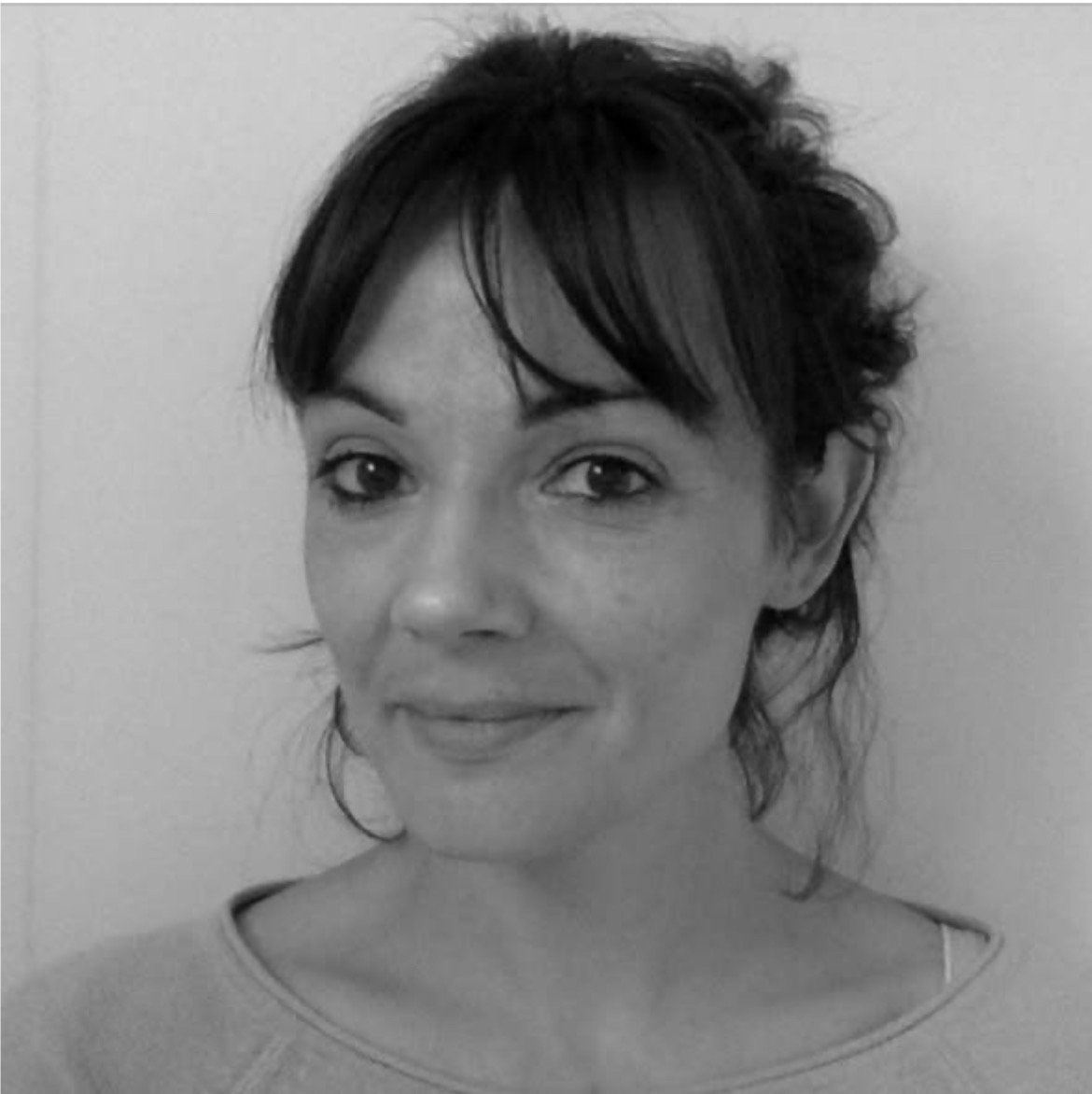
Andi Kerr Little, psychotherapist in Oslo
Qualifications BSc Psychology · MSc Applied Behaviour Sciences
Native English speaker Scottish. I understand your cultural world.
10 years in Oslo Lived expat experience in Norway
In-person & Zoom Oslo · All of Scandinavia online

Anxiety often has a physical quality before it becomes a thought. A tightness in the chest, a sense of alertness that never quite settles, a scanning for what might go wrong. It is not always attached to something specific. Sometimes it is there when you wake up, or when the day goes quiet. It can show up as restlessness, as difficulty making decisions, as a fear of being caught out or exposed in some way.

In clinical terms, anxiety is a sustained state of hyperarousal. The nervous system remains on alert even when there is no immediate threat. This is different from fear, which responds to something real and present. Anxiety anticipates danger that may never arrive, and that anticipation becomes exhausting. People often describe it as living slightly ahead of themselves, rehearsing conversations that have not happened, planning for outcomes they cannot control.

What makes anxiety difficult is not just the feeling itself, but the secondary layer of judgment that often comes with it. The sense that you should be able to manage it, that other people do not struggle in this way, that something is wrong with you for finding ordinary situations so difficult. That layer of self-criticism can be as debilitating as the anxiety itself.

Living abroad can intensify anxiety in ways that are not always obvious. The absence of familiar structures, the constant low-level negotiation of language and cultural norms, the sense of being slightly out of step with the world around you. For some people, anxiety that was manageable at home becomes harder to contain in a context where everything requires more effort and nothing feels automatic.

Anxiety is not irrational, it is just responding to something the rest of you has not quite named yet.

What Actually Happens in Sessions

Anxiety work is not about calming you down or teaching you to think differently. It is about understanding what the anxiety is protecting you from, and what would need to shift for it to relax.

In our sessions, we start by noticing where the anxiety lives in your body and what it responds to. This is not a detached analysis. We are looking at the pattern as it shows up in real time, in the room, in the way you relate to yourself and to me. Anxiety is often a response to something that once made sense, a way of staying safe in a situation where hypervigilance was necessary. The problem is that the nervous system can continue running that program long after the original threat has passed.

The work involves slowing down enough to see what the anxiety is actually doing. What is it scanning for? What does it believe will happen if it stops? Often there is a younger part of you that learned early on that letting your guard down was dangerous, that other people were unpredictable, that you had to manage everything yourself in order to be okay. That belief can persist even when your adult circumstances are entirely different. Part of what we do together is create a space where it becomes possible to question that belief, to see whether it still applies.

I also use body-based interventions when they are relevant. Anxiety is not just a cognitive issue. It is held in the nervous system, and sometimes the most effective way to shift it is through the body rather than through talking. The Safe and Sound Protocol is one tool I use for this. It works directly with the vagal nerve to help the nervous system move out of a state of chronic vigilance. This is not a replacement for relational work, but it can make the other work easier when the physical intensity of anxiety begins to soften.

Andi Kerr Little
ABOUT ANDI

I am Andi Kerr Little. I have been working as a psychotherapist in Oslo for ten years.

I am originally from Scotland. I moved to Norway in my early thirties, so I know firsthand what it is like to rebuild a life in a country where the cultural rules are not always visible and the language takes years to feel natural. That experience shapes how I work with expats. I understand what it means to feel slightly out of sync with the world around you, to question whether what you are feeling is reasonable or whether you are just not adapting quickly enough.

I trained in integrative psychotherapy, which means I do not work from a single model. I draw on different frameworks depending on what the person in front of me needs. For anxiety, I often use Compassionate Inquiry, an approach developed by Dr. Gabor Mate that looks at what symptoms are trying to communicate rather than treating them as problems to be fixed. I am also trained in the Safe and Sound Protocol, a body-based intervention that works directly with the nervous system.

I work with people who want to understand themselves more deeply, not just manage their symptoms. That takes time, and it is not always comfortable. But it is the kind of work that changes things at the level where they need to change.

BSc Psychology, University of Dundee Masters in Applied Behaviour Sciences, Oslo Metropolitan University Integrative Psychotherapy training, Norway Compassionate Inquiry Practitioner (Dr. Gabor Mate) Safe and Sound Protocol provider (Unyte)
More about my approach

Understanding Anxiety

Common questions about recognising, working with, and understanding anxiety.

How do I know if what I'm feeling is anxiety or just stress?

Stress is usually proportional to what is happening and resolves when the situation changes. Anxiety persists regardless of circumstances. If you find yourself scanning for danger, anticipating problems that have not happened, or feeling physically tense most of the time, that is usually anxiety rather than situational stress.

What does anxiety therapy actually involve in practice?

We look at where the anxiety comes from, what it protects you from, and what it costs you. The work is relational and exploratory. We pay attention to what happens in your body, how you relate to yourself, and what patterns show up in the room between us. It is slower and more observational than cognitive techniques.

What is the connection between anxiety and early experiences?

Anxiety is often a learned response to environments where hypervigilance was necessary. If you grew up in a context where other people were unpredictable, where your needs were not reliably met, or where expressing vulnerability felt unsafe, your nervous system may have adapted by staying on alert. That adaptation can persist long after the original threat is gone.

Does anxiety ever fully go away with therapy?

Most people do not lose the capacity for anxiety entirely, but they stop being controlled by it. The intensity reduces, the triggers become more specific, and the recovery time gets shorter. You also develop a different relationship to the anxiety itself. It becomes something you can notice and work with rather than something that overtakes you.

How does living abroad as an expat affect anxiety?

The constant low-level negotiation of a new culture, the absence of familiar structures, the effort required to navigate language and social norms, all of this can lower your threshold for anxiety. What felt manageable at home can feel overwhelming when you are already using energy just to function in a foreign context. Expat anxiety is often compounded by isolation and the difficulty of finding people who understand what you are dealing with.

What can I do between therapy sessions to help with anxiety?

Notice where the anxiety shows up in your body. When you feel it rising, pause and ask what it is responding to. Sometimes just naming it, even silently, creates a small amount of distance. Avoid trying to force it away or judge yourself for feeling it. Breathing exercises can help in acute moments, but they are not a substitute for understanding what is driving the pattern.

How do I choose the right therapist for anxiety in Oslo?

Look for someone who asks what the anxiety is responding to, not just how to manage it. The approach matters more than the credential. If you are an English speaker, working in your mother tongue makes a difference. Cultural context also matters. A therapist who understands the expat experience will recognise nuances that someone unfamiliar with that world might miss.

What People Say

Reflections from people who came to therapy for anxiety.

I had been dealing with anxiety for years but never really understood where it was coming from. Andi helped me see the patterns I had been carrying since I was young. The work was not easy, but it was the first time I felt like someone was actually listening to what the anxiety was trying to tell me rather than just trying to make it go away. I still get anxious sometimes, but it does not run my life the way it used to.

M.R.
M.R., Oslo
Anxiety therapy

The fact that Andi is Scottish and understands what it is like to live in Norway as a foreigner made a huge difference. I did not have to explain why certain things felt harder here than they did back home. She just got it. The sessions helped me understand that my anxiety was not a sign that I was failing at adapting, it was a reasonable response to living in a context where everything requires more effort than it used to.

J.H.
J.H., Bærum
Expat anxiety therapy

I was sceptical about whether talking would actually help with something that felt so physical. But Andi did not just talk. She paid attention to what was happening in my body during sessions and helped me understand that the tightness and restlessness I felt all the time was connected to things I had not processed. It took months, but I started sleeping better and feeling less on edge. I did not think that was possible before I started working with her.

L.K.
L.K., Oslo
Anxiety therapy

Book a Free 20-Minute Call

No obligation. Just a chance to talk about what you are dealing with and see if this feels like the right fit.

Common Questions About Anxiety Therapy

I work from an integrative approach, which means I draw on several frameworks depending on what the person in front of me needs. For anxiety, this often includes Compassionate Inquiry, which was developed by Dr. Gabor Mate. Compassionate Inquiry looks at what the anxiety is responding to, rather than treating it as a malfunction. We explore where the pattern began, what it protects you from, and what would need to shift for it to relax. The work is relational, not prescriptive. I also use body-based tools when they are useful, including the Safe and Sound Protocol, a nervous system intervention that can help reduce the physical intensity of anxiety over time.

Yes. I am a native English speaker from Scotland, and all my sessions are conducted in English. This is particularly relevant if you are an expat in Oslo and find that speaking about internal experience in a second language feels limiting. Language shapes how we understand ourselves, and working in your mother tongue often makes it easier to access subtle emotional states. I also understand the cultural context that English-speaking clients are coming from, which can matter when we are talking about things like family dynamics, workplace expectations, or what it means to ask for help.

There is no fixed timeline. Some people notice shifts within a few months, others work for a year or longer. Anxiety is not usually a symptom that exists in isolation. It is often connected to other patterns, early experiences, or ongoing life circumstances. The pace depends on what you are working with, how quickly your nervous system begins to settle, and what depth of change you are looking for. I do not work with short-term symptom management models. If your goal is to understand where the anxiety comes from and change the underlying patterns, that takes the time it takes. We review progress regularly, and you are always free to decide when the work feels complete.

Yes. I see clients via Zoom throughout Scandinavia. Online therapy can be just as effective as in-person work for anxiety, and in some cases it is easier. You are already in a familiar environment, which can help if leaving the house feels difficult. The relational quality of the work remains the same. What matters more than the medium is whether the approach fits what you need. Some clients prefer in-person sessions because they find it easier to stay present in the room, others find Zoom more accessible. Both are valid, and you can switch between the two if your circumstances change.

Stress is usually proportional to what is happening. Anxiety often is not. Stress tends to resolve when the situation changes. Anxiety persists even when there is no immediate threat. Clinically, anxiety involves a sustained state of hypervigilance, physical tension, and anticipatory worry that feels difficult to switch off. It can show up as persistent rumination, avoidance of certain situations, or a sense of dread that does not attach to anything specific. Many people live with low-grade anxiety for years before recognising it as something distinct from ordinary worry. If you find yourself scanning for danger, planning for worst-case scenarios, or feeling physically tense most of the time, that is usually anxiety rather than situational stress.

That is a decision only you can make, ideally in conversation with a prescribing doctor. Therapy and medication address anxiety in different ways. Medication can reduce the intensity of symptoms, which sometimes makes it easier to engage with therapy. Therapy addresses the underlying patterns and helps change your relationship to the anxiety itself. Some people use both, some use one or the other, some use neither. I do not prescribe medication, but I work with many clients who are on medication for anxiety, and I have no position on whether that is necessary or not. What matters is that you feel supported in the way that works for you.

Sessions are 50 minutes and cost 1200 NOK. I do not accept insurance, but I can provide receipts if your insurance allows reimbursement for private psychotherapy. Payment is via Vipps or bank transfer. If cost is a concern, we can discuss session frequency. Some people benefit from weekly sessions initially and then move to fortnightly once things stabilise. There is no expectation that you commit to a fixed number of sessions upfront. We work at the pace that makes sense for your situation and your resources.

The first step is a free 20-minute consultation call. You can book that directly through the form on this page, or by emailing me at Andikerrlittle@gmail.com. The consultation is a chance for you to describe what you are dealing with, ask any questions about how I work, and get a sense of whether this feels like the right fit. If we decide to work together, we will arrange a first session, either in person at my practice in central Oslo or via Zoom. There is no obligation to continue after the first session. The decision to work together is mutual and can be revisited at any point.

Other Areas I Work With

Anxiety often overlaps with other patterns. These are some of the related conditions I see frequently.

Let's Talk

Book a free 20-minute consultation call. No obligation. Just a chance to see if this feels like the right fit.

Book a free call +47 906 02 994