Individual Therapy, Greater Oslo

Individual Therapy in Greater Oslo, Norway - in English

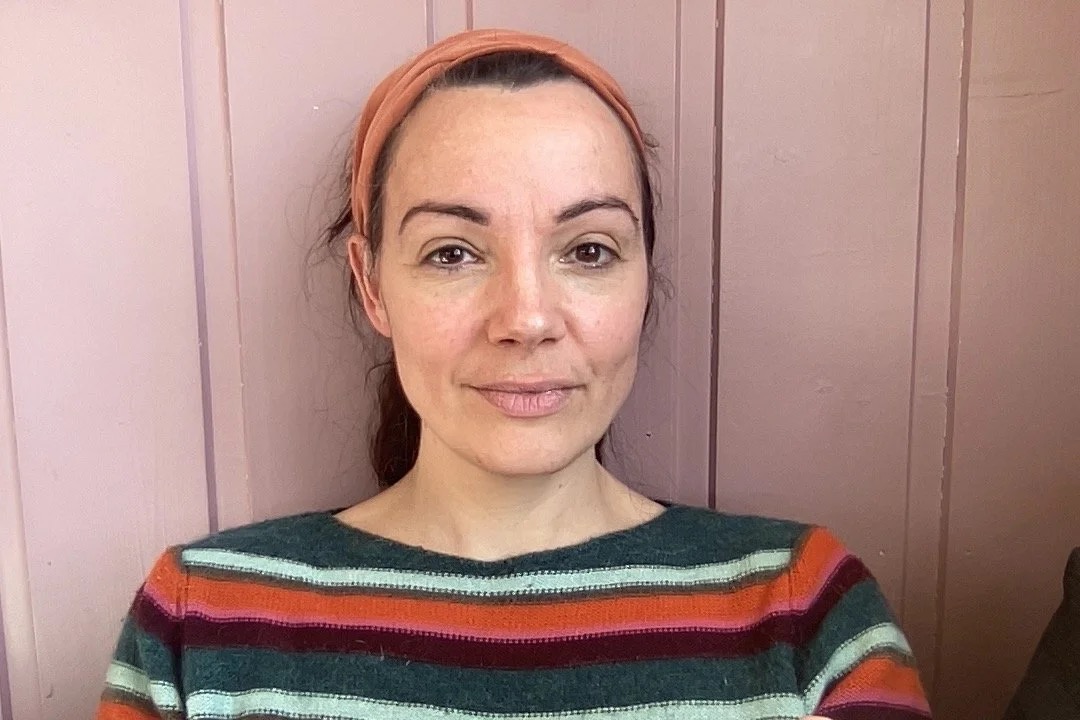
I'm a Scottish psychotherapist based in Oslo. I've lived here for over 10 years, and I work with English-speaking expats across Greater Oslo and Scandinavia. In-person sessions in central Oslo or online via Zoom.

Individual therapy space in Oslo
Qualifications BSc Psychology · MSc Applied Behaviour Sciences
Native English speaker Scottish. I understand your cultural world.
10 years in Oslo Lived expat experience in Norway
In-person & Zoom Ruseløkkveien 59, Oslo · Anywhere via Zoom

English-Speaking Therapy for Expats in Greater Oslo

If you're living in Baerum, Fornebu, Sandvika, Asker, or anywhere in Greater Oslo, you already know the particular challenges that come with building a life here. The long commute into the city. The pressure to integrate while missing home. The feeling that everyone else has worked out how to be Norwegian, and you're still figuring out where you fit.

I've been there. I moved to Oslo from Scotland over 10 years ago, and I've spent most of that time working with English-speaking expats who are navigating the same questions. My practice is built around the reality of expat life in Norway, and I work with people who need more than surface-level support. People who want to understand why they feel the way they do, not just manage the symptoms.

I offer sessions in-person at my practice in central Oslo, or online via Zoom. Most of my clients in Greater Oslo prefer Zoom because it means they don't have to factor in travel time on top of everything else. You can have your session from home, from your office, from wherever works for you. The quality of the work is exactly the same.

How I Work with Expats in Greater Oslo

I practice integrative psychotherapy, which means I draw on different approaches depending on what's most useful for you. The foundation is relational. We work through the connection between us, and I pay attention to what's happening in the room, not just what you're telling me about your life outside of it.

I also use Compassionate Inquiry, a method developed by Dr. Gabor Mate. It's a way of exploring the root of your patterns rather than just trying to manage the surface-level symptoms. We look at where your responses come from, what they were protecting you from, and whether they still serve you now. It's gentle, but it goes deep.

I don't offer quick fixes or short-term strategies. If you're looking for CBT worksheets or solution-focused techniques, I'm probably not the right fit. What I do is slower and more exploratory. We're trying to understand you, not fix you. That takes time, but it also tends to create lasting change rather than temporary relief.

Sessions are 50 minutes, and most people start with weekly sessions before moving to fortnightly once things stabilise. I work at your pace. Some clients stay for a few months, others for a few years. It depends what you're dealing with and what you want to get out of it.

What It's Like to Live as an Expat in Greater Oslo

Greater Oslo has become home to a significant expat community, particularly in areas like Fornebu, where international companies like Telenor have brought in workers from all over the world, and Baerum, where many British and American families settle because of the international schools and proximity to nature.

But living here is different from living in central Oslo. You're more embedded in Norwegian suburban life, which can feel isolating if you don't speak the language fluently or if your social life revolves around work. The weekends can be particularly hard. Your Norwegian neighbours disappear into their cabins, and if you don't have a strong expat network nearby, it's easy to feel stuck.

Many of my clients in Greater Oslo talk about the pressure to enjoy the outdoor lifestyle, to take up skiing or hiking, to embrace the Norwegian relationship with nature. And if that's not your thing, it can feel like you're failing at Norway. There's also the guilt that comes with struggling in a country that's supposed to be one of the best places in the world to live. If you're unhappy here, it must be your fault, right?

It's not. The expat experience is complicated, and it doesn't fit neatly into the narratives about work-life balance and quality of life. Therapy gives you space to talk about the parts that don't make sense, without having to justify or explain yourself to people who don't get it.
Getting Started Is Straightforward

1

Free Consultation

We start with a 20-minute phone or Zoom call. You tell me what's going on, I explain how I work, and we see if it feels like a good fit. No pressure, no charge.

2

First Session

Your first full session is 50 minutes. We'll talk about your history, what's happening for you now, and what you're hoping to get out of therapy. It's exploratory, not prescriptive.

3

Ongoing Work

Most people start with weekly sessions, then move to fortnightly once things stabilise. We work at your pace. Some clients stay for months, others for years. It's up to you.

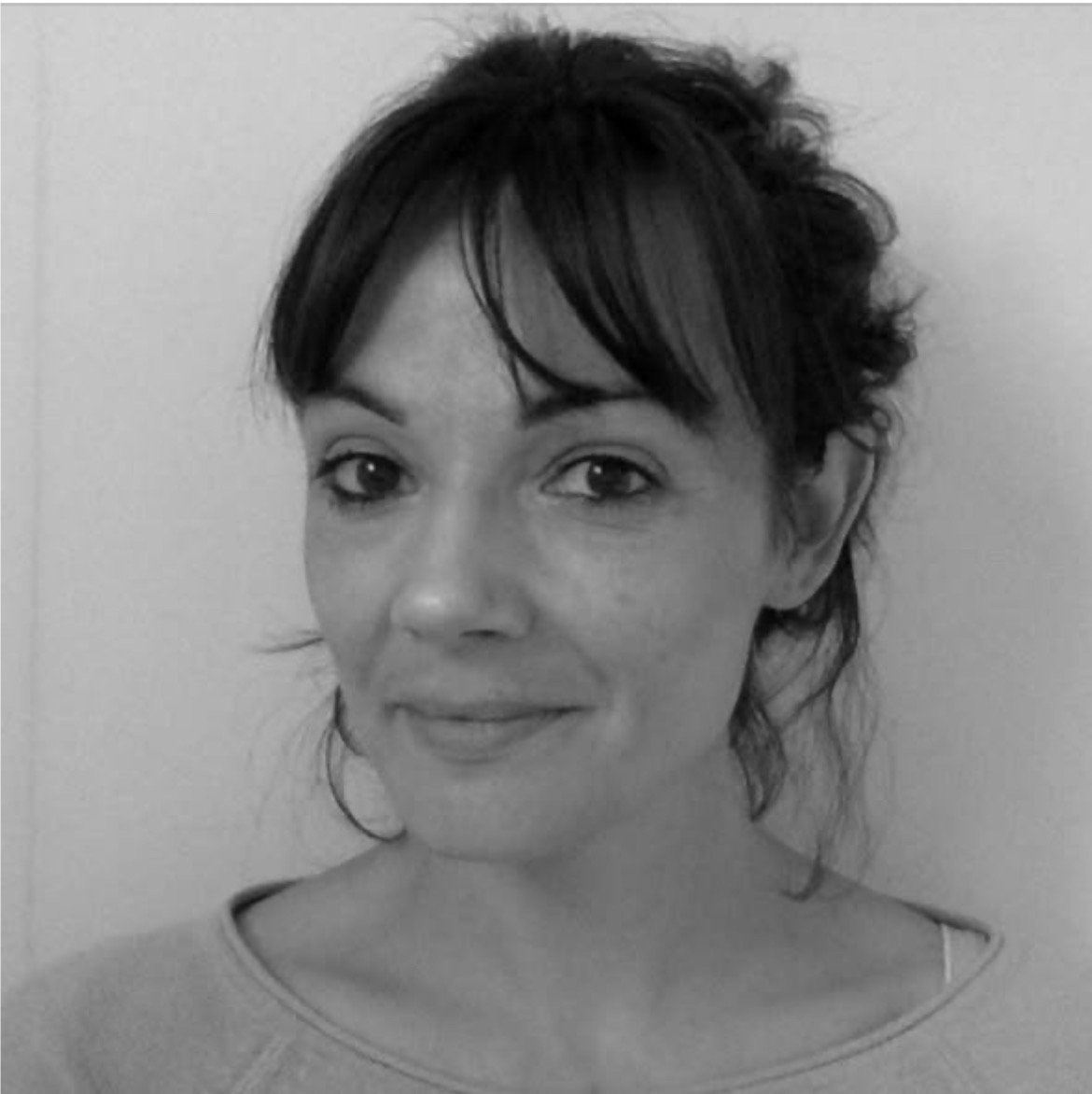
Andi Kerr Little, psychotherapist
About Me

I'm Andi Kerr Little, and I've Been Where You Are

I'm a Scottish psychotherapist, and I've lived in Oslo for over 10 years. I moved here in my twenties, and I've spent most of that time working with English-speaking expats who are trying to make sense of life in Scandinavia.

I'm not Norwegian. I'm not trying to help you integrate or teach you how to be more like your colleagues. I understand what it's like to live between cultures, to feel like you're constantly translating yourself, to miss home even when you're not sure where home is anymore.

I trained in integrative psychotherapy and I'm a certified Compassionate Inquiry practitioner, trained by Dr. Gabor Mate. My work focuses on understanding the root of patterns, not just managing symptoms. It's slow, relational, and it goes deep. If that's what you're looking for, I'd be glad to talk.

BSc Psychology, MSc Applied Behaviour Sciences
Trained in integrative psychotherapy at integrativ-terapi.no
Certified Compassionate Inquiry practitioner (Dr. Gabor Mate)
Trained in Safe and Sound Protocol (Unyte)
10 years in private practice in Oslo

Common Struggles for Expats in Greater Oslo

What People Say About Working with Me

I started working with Andi after a rough patch at work turned into full burnout. I live in Fornebu and work for an international tech company, and I was commuting into Oslo for everything, including therapy attempts with a Norwegian therapist who just didn't understand the expat side of things. Andi does Zoom sessions, which saved me so much time and mental energy. More than that, she gets it. The pressure to seem fine when you're living in a country everyone says is perfect. The loneliness of weekends. The fact that my colleagues all have their Norwegian friendship groups and I'm still figuring out where I fit. I didn't realise how much I needed someone who just understood that without me having to explain it every session.

JM
J.M., Fornebu
Individual Therapy · Zoom

Andi was the first therapist I found who didn't make me feel like I needed to translate myself. I live in Baerum with my partner and our two kids, and we moved here for his job. I've been struggling with feeling invisible, like I'm just the trailing spouse, and I didn't know how to talk about it without sounding ungrateful. Therapy with Andi isn't about fixing things or getting strategies to cope. It's deeper than that. We talk about where my feelings come from, what I learned growing up about my worth, and how that's playing out now. It's slow work, but it's the kind of work that actually changes how you see yourself. I drive into Oslo for sessions sometimes, and other times we do Zoom when the kids are home sick or I'm too tired to make the journey. The flexibility has been a lifesaver.

KC
K.C., Baerum
Individual Therapy · Mixed

I've done therapy before, back in the UK, and it was very CBT-focused. Practical, goal-oriented, get in and get out. That worked for what I needed at the time, but when I moved to Norway and started feeling depressed and disconnected, I knew I needed something different. Andi's approach is much more relational and exploratory. We don't just talk about what's happening on the surface. We go deeper, looking at patterns, at where things started, at what my responses are trying to protect me from. It's uncomfortable sometimes, but it's also the most honest work I've ever done. I live in Sandvika and I do all my sessions on Zoom because it's easier than commuting into the city. I wasn't sure if online therapy would feel as real, but after the first couple of sessions I forgot I was on a screen. It's just as effective, and honestly more sustainable for me long-term.

RL
R.L., Sandvika
Individual Therapy · Zoom
Free Consultation

Let's Talk About What You're Dealing With

Book a free 20-minute consultation. No pressure, no charge. Just a conversation about whether we're a good fit.

Questions

Common Questions About Individual Therapy

I'm not just offering therapy in English, I am English. Scottish, to be specific. I grew up in Scotland, and I've lived in Oslo for over 10 years, so I understand what it's like to navigate life between cultures. I know the particular challenges that come with living in Norway as an outsider. I don't just speak your language, I understand your cultural world. The frustration of trying to explain complex feelings through a second language, the isolation of weekends when all your Norwegian colleagues disappear into their hytter, the pressure to integrate while missing home. My practice focuses entirely on the expat experience. I also offer sessions via Zoom, which means you don't have to commute into central Oslo. If you're in Fornebu, Baerum, Sandvika, or anywhere in Greater Oslo, we can work together from wherever you are. That flexibility matters when you're juggling work, family, and everything else that comes with life abroad.

There's no fixed timeline. Some people come for a few months to work through a specific issue, like a difficult transition or a period of burnout. Others stay longer because they're interested in deeper, ongoing personal work. I work at your pace. We'll check in regularly about how things are going and what feels useful. If you're finding it helpful, we continue. If you feel ready to finish, we finish. I never push people to stay longer than makes sense for them. Most people start with weekly sessions, then move to fortnightly once things stabilise. Some prefer weekly sessions for the long term because they value the consistency. It's entirely up to you and what fits your life. The idea that therapy has to last years is outdated. Some of my clients work with me for six months, others for several years. It depends what you're dealing with and what you want to get out of it.

I work only in English. I've lived in Norway for over 10 years and I speak Norwegian well enough for daily life, but therapy requires a level of nuance and precision that I can only offer in my native language. The work I do requires being able to hear not just what you're saying, but how you're saying it, the small shifts in tone, the way a word gets stuck, the places where language fails. That level of attunement is only possible in my first language. More importantly, most of my clients choose to work with me specifically because they want to speak English. Many have spent years trying to build a life in Norwegian, and therapy is the one space where they can stop translating themselves. You don't have to simplify your feelings or search for words. You can speak naturally, with all the complexity and idiom of your own language. That matters more than people realise.

I offer both in-person and online sessions. In-person sessions are held at my practice in central Oslo, at Ruseløkkveien 59, just a couple of minutes from Aker Brygge. It's a quiet, private space designed to feel calm and unrushed. Online sessions are via Zoom, and they're available to anyone in Greater Oslo or anywhere across Scandinavia. The video quality is good, the connection is stable, and after the first session or two, most people forget they're on a screen. Many clients in Greater Oslo, particularly in Fornebu, Baerum, and Sandvika, prefer Zoom because it saves them the commute into the city. If you're juggling work and family, not having to factor in travel time can make the difference between therapy being possible or not. Some people do a mix, coming in person when it suits and switching to Zoom when they're travelling or working remotely. It's flexible, and it's entirely up to you.

I practice integrative psychotherapy, which means I draw on different approaches depending on what's most useful for you. The foundation is relational, we work through the connection between us, and I pay attention to what's happening in the room, not just what you're telling me about your life outside of it. I also use Compassionate Inquiry, a method developed by Dr. Gabor Mate that focuses on understanding the root of your patterns rather than just managing symptoms. We look at where your responses come from, what they were protecting you from, and whether they still serve you now. It's gentle, but it goes deep. I don't offer CBT or short-term solution-focused work. If you're looking for strategies to manage anxiety or a structured programme with worksheets, I'm probably not the right fit. What I do is slower and more exploratory. We're trying to understand you, not fix you. That takes time, but it also tends to create lasting change rather than temporary relief.

Sessions are NOK 1,200 for 50 minutes. I don't work through the public health system, so my services are private and self-funded. That means you won't get a refund from HELFO or your insurance unless your policy specifically covers private psychotherapy, which most don't. I know that's a significant cost, particularly if you're paying in a currency that's weaker than the Norwegian krone. I wish I could make it more accessible, but this is the rate that reflects my level of training and experience, and it allows me to offer the quality of care I want to provide. Payment is by Vipps or bank transfer, and I ask that you pay after each session rather than in advance. If cost is a barrier, I'd encourage you to book a free consultation anyway. We can talk about frequency, whether fortnightly sessions might work better for your budget, or whether there are other options that could make it feasible.

No, you don't need a referral. You can contact me directly and book a free 20-minute consultation. That conversation gives us a chance to talk about what's going on for you, whether I'm the right fit, and what working together might look like. If it feels right for both of us, we'll book your first session. There's no waiting list, no GP letter, no forms to fill in. It's straightforward. Because I work privately, there's also no diagnosis required. You don't have to meet a clinical threshold or prove that your problem is serious enough. If you're struggling, that's enough. I'm not part of the public system, which means more flexibility but also means you're paying out of pocket. That trade-off works for some people and not for others, and that's fine. The consultation is there so you can make an informed decision before committing to anything.

The easiest way to get started is to book a free 20-minute consultation. You can do that by filling in the form on this page, calling me on +47 906 02 994, or emailing Andikerrlittle@gmail.com. The consultation is a short, informal conversation where we talk about what's brought you to therapy, what you're hoping to get out of it, and whether we're a good match. There's no pressure, no commitment, and no charge. If it feels like we could work well together, we'll schedule your first full session. If not, I'll do my best to point you toward someone who might be a better fit. After the consultation, if you decide to go ahead, I'll send you a couple of forms to fill in, basic information about confidentiality and how I work, and then we'll get started. First sessions usually focus on getting a sense of your history and what's happening for you right now. From there, we build at your pace.

What to Know

Common Questions About Starting Therapy

How do I know if I need therapy or just a difficult period to get through?

There's no clear line. If you're asking the question, that's usually a sign it's worth exploring. Therapy isn't just for crisis. It's for when you're stuck, when the same patterns keep repeating, when you can't work out why you feel the way you do. A difficult period passes. Therapy is useful when the difficulty keeps coming back, or when you're functioning fine on the surface but feel empty underneath. Trust your instinct. If something feels off, it probably is.

What should I expect from a first therapy session?

The first session is mostly about getting to know each other. I'll ask about what's brought you to therapy, what's been going on for you recently, and a bit about your history. You don't have to have a clear agenda or know exactly what you want. Most people don't. It's fine to just start talking and see where it goes. I'll also explain how I work, what you can expect from the process, and answer any questions you have. There's no pressure to commit after one session. Some people know immediately it's a good fit, others need a few sessions to decide.

How is integrative therapy different from CBT or other approaches?

CBT is structured and goal-focused. You identify a problem, learn strategies to manage it, and measure progress. It's effective for specific issues like phobias or panic attacks. Integrative therapy is more exploratory. We're not trying to fix a specific problem, we're trying to understand you. Why do you respond the way you do? Where did those patterns come from? What are they protecting you from? It's slower, deeper, and more relational. The work happens through the connection between us, not through worksheets or homework. If you want quick strategies, CBT might be better. If you want lasting change and deeper understanding, integrative therapy is more effective.

What is Compassionate Inquiry and how does it work?

Compassionate Inquiry is a method developed by Dr. Gabor Mate. It's about asking questions that help you see the root of your patterns, not just the surface-level symptoms. Instead of asking how to stop feeling anxious, we ask what the anxiety is trying to protect you from. What did you learn, growing up, about what was safe and what wasn't? How are those old survival strategies showing up now? It's gentle but direct. The questions aren't designed to make you feel better in the moment, they're designed to help you see yourself more clearly. That clarity is what creates lasting change.

How do I find the right therapist, what should I look for?

Look for someone whose approach makes sense to you. If you want practical strategies, find someone who offers CBT. If you want deeper exploration, find someone who works relationally. Beyond approach, fit matters more than credentials. Do they understand your context? If you're an expat, does the therapist get what that's like, or will you have to explain yourself every session? Do they speak your language, literally and culturally? And do you feel like you could be honest with them? You don't have to like your therapist, but you do have to trust them. If something feels off in the first session or two, it's worth finding someone else.

Is online therapy as effective as in-person sessions?

Yes, for most people. The research shows that online therapy is just as effective as in-person work, particularly for issues like anxiety, depression, and relationship difficulties. The connection is what matters, and that happens just as easily on Zoom as it does in a room. Some people prefer in-person because they like the ritual of going somewhere, the physical separation from home and work. Others prefer online because it's more convenient and sustainable long-term. I offer both, and I don't think one is better than the other. It depends what works for your life and your preferences. Most of my clients in Greater Oslo choose Zoom because it saves them the commute into central Oslo.

How often should I have therapy sessions?

Most people start with weekly sessions. That frequency creates momentum and helps build the relationship faster. Once things stabilise, many people move to fortnightly sessions because it's more sustainable financially and practically. Some prefer to stick with weekly because they value the consistency. It's up to you. I don't have a fixed rule. We'll talk about what feels right and adjust as we go. If you're in crisis or going through something intense, weekly sessions are usually more helpful. If you're doing longer-term exploratory work and things are relatively stable, fortnightly can work just as well.

Individual Therapy in Other Locations
Related Services

Ready to Get Started?

Book a free 20-minute consultation. We'll talk about what's going on for you and whether we're a good fit. No pressure, no charge.

Book Free Consultation or call +47 906 02 994