Substance use is often a response to something difficult. I work with people whose relationship with substances has become a source of concern, confusion, or pain. The work is non-judgmental, curiosity-led, and grounded in understanding what sits underneath the pattern.
Substance use becomes problematic when the substance starts organizing your life. That can look different for different people. For some, it is a daily pattern that has become automatic. For others, it is episodic but intense, leaving wreckage in its wake. And for some, it sits in a grey area where the harm is not yet obvious but the discomfort is real.
What I see consistently in my work is that substances are rarely the main problem. They are a solution to a problem. That problem might be anxiety, loneliness, unprocessed trauma, or a baseline sense of disconnection that feels intolerable without something to soften it. The substance fills a gap. It helps you sleep, or talk, or tolerate social situations, or quiet the noise in your head. In that sense, it is working. The difficulty is that it stops working in the long term. It begins to create more problems than it solves, and by that point the pattern is hard to undo.
Living abroad often complicates this. Drinking culture in Scandinavia can be intense, and alcohol is socially embedded in ways that make it difficult to notice when your relationship with it has shifted. Isolation, language barriers, and the stress of adapting to a new country all contribute to increased vulnerability. For some people, substances become a way to manage the disorientation of expat life, or to bridge the gap between who they used to be and who they feel they have become. That is not weakness. It is a human response to difficult circumstances.
Shame is almost always part of the picture. People come to therapy feeling as though they should have more control, or that their pattern is evidence of some fundamental flaw. That is not how I understand it. Substance use is a learned behaviour. It was adopted for a reason, and it can be understood and worked through when the conditions are right.
The work is not about willpower. It is about understanding what the substance is doing, what sits underneath it, and what else might be possible.
In our sessions, we explore the history of your relationship with the substance. When did it start? What was happening in your life at the time? What does it help you do, or feel, or avoid? We also look at what happens when you try to stop or reduce. Often there is a flood of emotion that the substance has been keeping at bay. That emotion needs somewhere to go, and therapy provides that space.
I also pay attention to the broader picture. Substance use does not exist in isolation. It is often connected to anxiety, trauma, loneliness, or a sense of not belonging. Working with the substance means working with those underlying experiences. That takes time, and it requires a willingness to sit with discomfort. But it is the only way the change becomes sustainable.
The substances are rarely the problem. They are the strategy. The work is to understand what they are protecting you from, and to find another way through.
Some people come to therapy with a clear goal of abstinence. Others are ambivalent and uncertain whether they want to stop at all. Both are workable starting points. The decision about what change looks like is yours. My role is to help you see the pattern clearly, to understand what it costs, and to support you in building something different if that is what you decide you need.
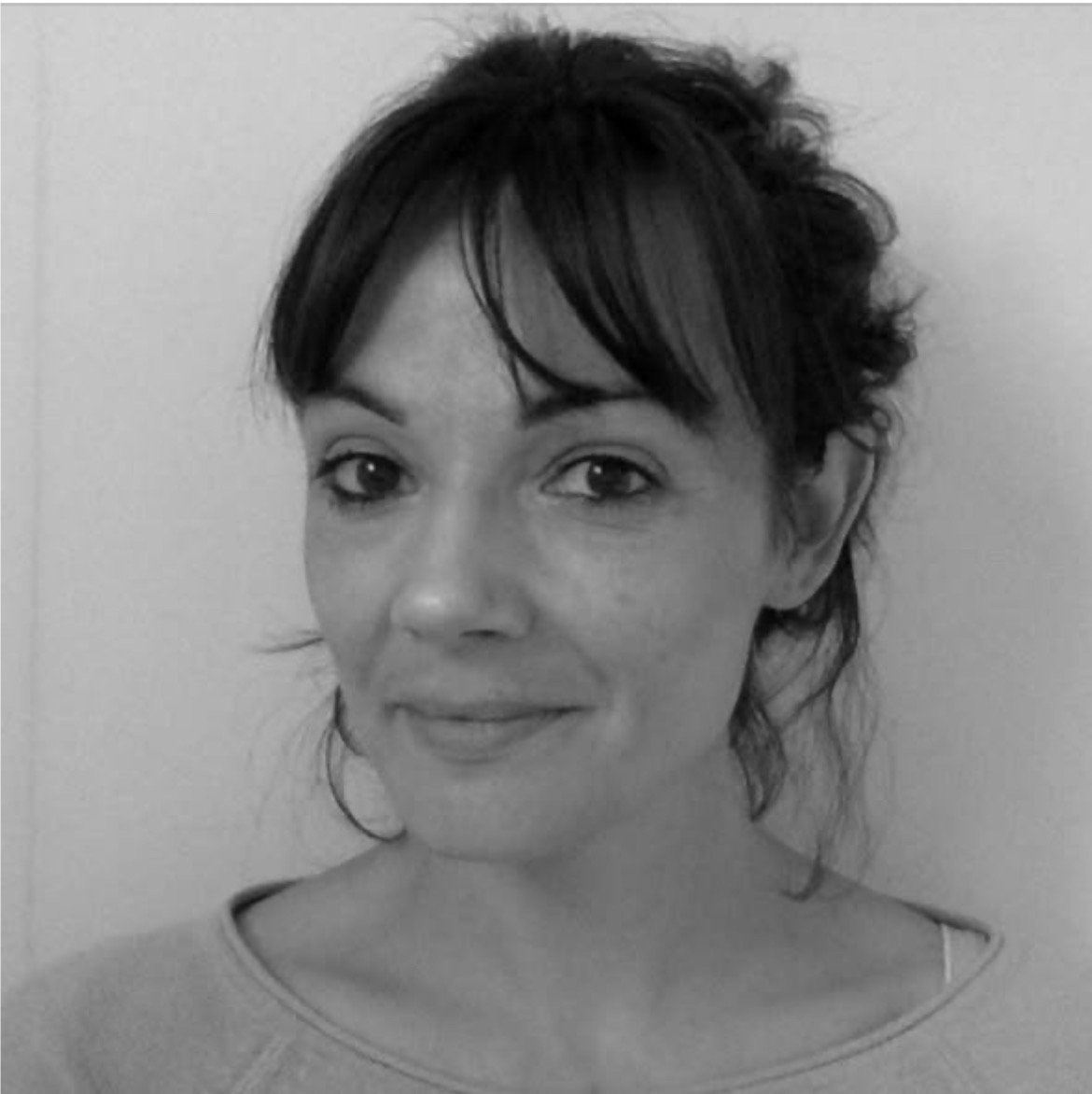
I am a Scottish psychotherapist working in Oslo. I have been here for over ten years, and I know firsthand what it is like to live as an outsider in a country where you did not grow up. That experience shapes how I work with people, particularly expats who are navigating the emotional complexity of living abroad while also managing something like substance use.
My academic background includes a BSc in Psychology and a Masters in Applied Behaviour Sciences. I completed my clinical training in integrative psychotherapy and have additional training in Compassionate Inquiry with Dr. Gabor Maté and the Safe and Sound Protocol. I also have a research background in substance use, which has given me a deeper understanding of the neuroscience and psychology of addiction. That knowledge informs my work, but it does not define it. What matters more is the relationship we build, and the space we create for honesty.
I work with people in Oslo and throughout Scandinavia. Sessions are in person at my practice on Ruseløkkveien 59, just a few minutes from Aker Brygge, or via Zoom if that is more practical for you. All of my work is in English. I offer a free 20-minute consultation so we can talk about what you are experiencing and whether my approach feels right for you.
Common questions and what is actually true about substance use, addiction, and recovery.
The line is not clinical. Addiction is a pattern where the substance has become central to your life, where the consequences are accumulating, and where stopping feels impossible even when you want to. But many people struggle with substance use without meeting formal diagnostic criteria for addiction. The question that matters more is: is this pattern causing harm in your life? If the answer is yes, then it is worth addressing, regardless of labels.
Substances work. They reduce anxiety, numb pain, make social situations easier, or provide a break from emotional overwhelm. The problem is that they stop working over time, and the dependency creates new difficulties. Therapy is not about removing the coping mechanism without replacing it. It is about understanding what the substance is helping you manage, and building other ways to meet those needs.
Trauma and substance use are closely linked. Unprocessed trauma often leaves people with a baseline level of emotional distress that is difficult to tolerate. Substances provide temporary relief. That is why trauma-informed therapy is so important in this work. Addressing the substance without addressing the trauma rarely leads to sustainable change. Both need attention.
No. Therapy is not conditional on abstinence. Some people come to therapy still using and unsure whether they want to stop. That is a valid starting point. What therapy provides is a space to explore the pattern, understand what it costs, and decide what change looks like for you. Change happens at different paces for different people, and the decision is yours.
Living abroad increases vulnerability in several ways. Isolation, language barriers, and the stress of adapting to a new culture all contribute. Drinking culture in Scandinavia can be intense, and it is often socially embedded in ways that make it difficult to notice when your relationship with alcohol has shifted. For expats, substances can also become a way to manage the disorientation of not quite belonging, or of feeling disconnected from who you used to be.
Recovery is not a single outcome. For some people, it means complete abstinence. For others, it means a changed relationship with the substance, where use is less frequent and less harmful. What matters is that the substance is no longer organizing your life. Recovery also means addressing the underlying issues that the substance was helping you manage. That is the work that makes the change sustainable.
Look for someone with a non-judgmental approach, clinical training in this area, and an understanding of trauma. Substance use is not a moral issue. It is a pattern of coping that makes sense in context. A good therapist will approach it with curiosity, not judgment, and will help you understand what sits underneath the behaviour. Trust your instincts. If the therapist feels judgmental or prescriptive, find someone else.
From people who came to therapy with concerns about substance use.
I started seeing Andi because my drinking had gone from a way to relax to something that was starting to scare me. She never made me feel like I was failing or weak for struggling with it. We spent a lot of time talking about what was underneath the drinking, and that made all the difference. I still drink sometimes, but the compulsion is gone. I understand why I was doing it, and I have other ways to manage now.
The fact that Andi understands what it's like to live abroad mattered more than I expected. She got why I was using weed to manage the loneliness and the stress of not quite fitting in here. We didn't just talk about stopping. We talked about what I was trying to cope with, and how isolated I'd been feeling. That honesty opened up space for real change. I'm not perfect, but I'm so much better than I was.
Working with Andi felt different from other therapy I'd tried. She has this way of not making you feel judged, even when you're talking about things you're ashamed of. I came in thinking I just needed to quit drinking and that would solve everything. What I learned was that the drinking was covering up a lot of old pain I hadn't dealt with. We worked through that, slowly, and now I actually feel like I have a choice. That's what changed.
Book a free 20-minute consultation. No pressure, no obligation. We can talk about what you are experiencing and whether therapy might help.
Answers to questions people ask about substance use therapy in Oslo.
I work with people whose relationship with substances has become a source of concern or difficulty. That includes alcohol, cannabis, prescription medication, stimulants, opioids, and other substances. The focus is less on categorising or naming the substance, and more on understanding what the substance is doing in your life. Some people come with a clearly identified pattern they want to change. Others arrive with questions about whether their use is problematic, or with a sense that something is not working but are not sure what to do about it. Both of those starting points are valid and workable.
No. My approach is grounded in curiosity and understanding, not judgment. Substance use is a form of coping. It often begins as a way to manage emotional pain, stress, loneliness, or trauma. In that light, it makes sense. What we explore together is why the substance became necessary, what it provides, and what might be underneath it. The language of failure or moral weakness has no place in this work. I come from an academic and clinical background in this area, and that has only deepened my understanding of how complex and human this experience is.
Therapy for substance use involves understanding the pattern, not just stopping the behaviour. We look at when the use started, what was happening in your life at the time, what the substance helps you avoid or tolerate. We also work with the feelings that come up when you try to reduce or stop. Often there is shame, fear of being seen, or a deep loneliness that the substance has been covering. The work is about making space for those feelings, learning what they are asking for, and building new ways of responding to them. Sessions are 50 minutes, in person in Oslo or via Zoom.
Yes. I am a native English speaker, originally from Scotland, and all of my work is conducted in English. For people living in Scandinavia who grew up elsewhere, that linguistic and cultural alignment matters. Talking about substance use requires a level of honesty and vulnerability that is easier when you do not have to translate your thoughts or worry about being misunderstood. I also understand the expat experience firsthand, having lived in Norway for over ten years, and that perspective often matters in this work.
Yes. I offer sessions via Zoom for anyone in Scandinavia who cannot easily reach Oslo. Many people find that the privacy and convenience of working from home actually helps them engage more honestly with the material. Others prefer in-person sessions. Both are effective. The quality of the therapeutic relationship is what matters, and that can develop in either format. If you are unsure which would suit you better, we can talk about it in your free 20-minute consultation.
No. You do not need to have stopped using in order to begin therapy. Some people come to therapy still actively using and unsure whether they want to stop. Others have tried to stop and found it difficult. Both are common starting points. The therapy is not conditional on abstinence. What is required is a willingness to look at the pattern and explore what sits underneath it. Change happens at different paces for different people, and the decision about what that change looks like is yours. Therapy provides the space to understand what you need, not to enforce a predetermined outcome.
Standard session fees are listed on the website, and I also work on a sliding scale where appropriate. Financial constraints should not prevent you from accessing therapy if it is what you need. During your free 20-minute consultation, we can talk openly about cost and find an arrangement that works. I do not accept insurance, but I can provide receipts for private reimbursement if your insurance policy covers that. The focus is on making the work accessible and sustainable for you.
Start with a free 20-minute consultation. You can book that through the form on this page, or by calling +47 906 02 994, or by emailing Andikerrlittle@gmail.com. The consultation gives us a chance to talk briefly about what you are experiencing, what you are hoping for from therapy, and whether my approach feels like a good fit. There is no pressure and no obligation. If we decide to work together, we schedule your first full session from there. If not, I can often suggest other resources or practitioners who might be a better match.
Book a free 20-minute consultation. We can talk about what you are experiencing and whether therapy might help. No pressure, no obligation.
Book a free call +47 906 02 994