Therapy in English for people living in Denmark
Denmark attracts English speakers from across the world. Copenhagen is home to thousands of international professionals working in shipping, pharmaceuticals, design, and technology. Aarhus has a growing expat community. The language of business and social life for many people here is English. But when it comes to finding a therapist, the options narrow quickly.
You can find therapists who offer sessions in English, but that is not the same as working with someone who is English. The difference matters. Therapy is not a technical conversation. It is personal, it is emotional, and it requires a shared understanding of context, tone, and meaning. When you work in your second language, or with someone working in theirs, something gets lost. Therapy with me means you do not have to translate yourself. You can speak freely, express yourself fully, and trust that I understand not just your words but the world they come from.
Why English-speaking expats in Denmark choose to work with me
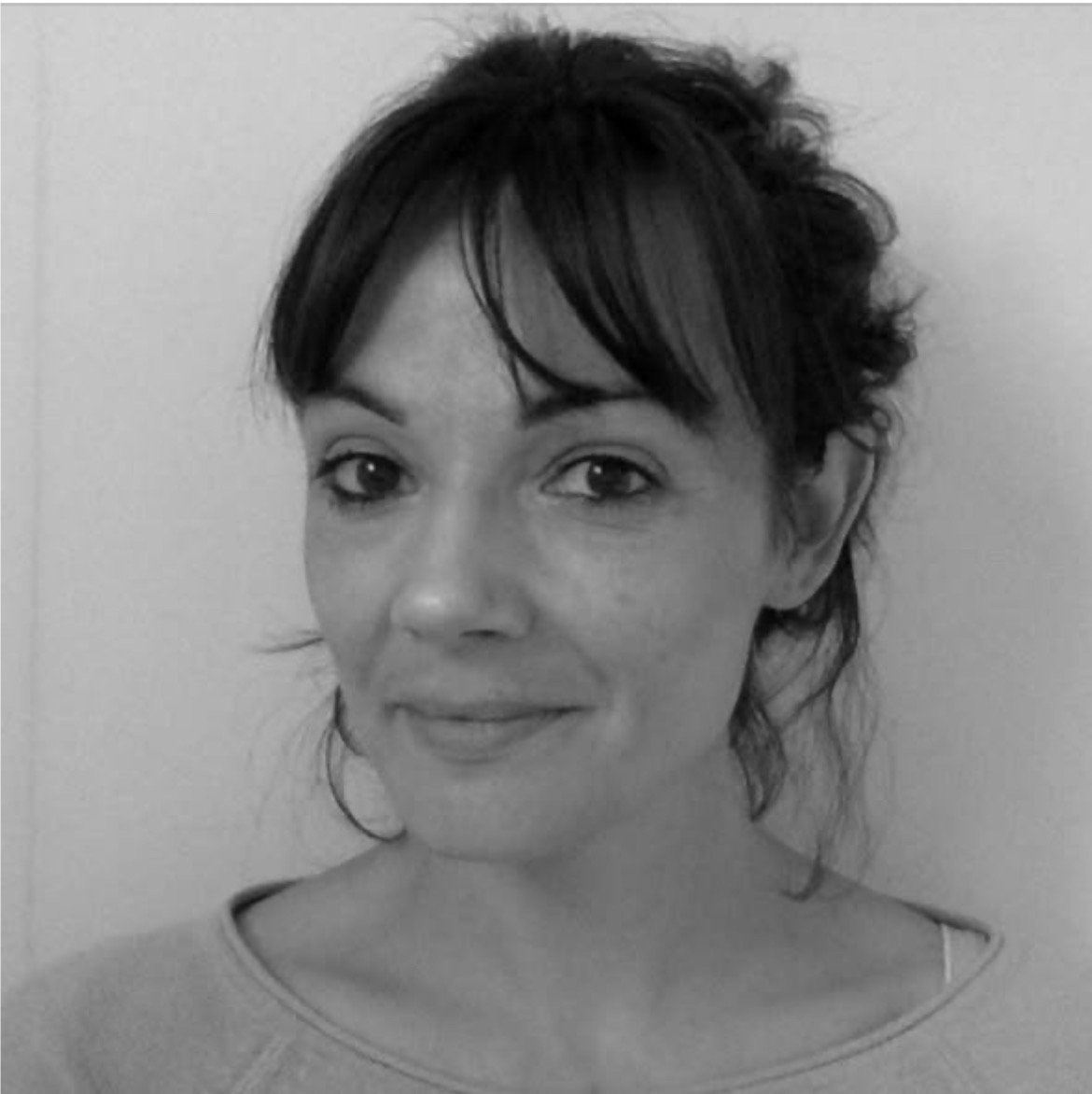
I am Scottish. I moved to Norway over ten years ago, and I have worked with English-speaking expats across Scandinavia throughout my career. I understand the experience of living in a country where you are always slightly outside the culture, where small misunderstandings accumulate, where you question whether you belong, and where the isolation can feel sharper than you expected.
The people I work with in Denmark are often high-functioning, professionally successful, and outwardly settled. But underneath, there is often something else. Anxiety that did not exist before the move. A relationship that has become strained under the pressure of relocation. A sense of disconnection from the life you thought you would build here. Burnout from navigating a new system while maintaining a career. Loneliness that persists even when you are surrounded by people.
My practice is not about managing symptoms or teaching coping strategies. It is about understanding what is actually happening for you. I work integratively, which means I draw from multiple therapeutic approaches depending on what is most useful. The foundation is relational and psychodynamic. We explore patterns, we look at how your past shapes your present, and we make space for what you have been carrying without fully acknowledging it.
I also use Compassionate Inquiry, a method developed by Dr. Gabor Mate, which focuses on the roots of your experience rather than the surface behaviours. The question is not just what you are feeling, but why you are feeling it, and where that response originally came from. This approach is particularly relevant for expats, because so much of what you experience now is connected to earlier attachment patterns, unmet needs, and ways of being that made sense once but no longer serve you.
What working with me looks like
Sessions are 50 minutes, weekly or fortnightly depending on what works for you. For clients in Denmark, all sessions are online via Zoom. The platform is secure, the connection is reliable, and most people find that working online offers the same depth and engagement as in-person therapy, with the added benefit of not needing to travel.
The first step is always a free 20-minute consultation. This is a chance for us to talk about what is going on for you, for you to ask any questions, and for both of us to get a sense of whether we are a good fit. There is no obligation, no pressure, and no expectation. If it feels right, we book the first session. If it does not, I can help you find someone more suitable.
Therapy is not about fixing you. It is about understanding you. The work is collaborative. You bring the material, I bring the training and the questions, and together we make sense of what is happening. Some people come for a few months to work through a specific difficulty. Others stay longer because the process goes deeper. There is no set timeline. The pace and the direction are always yours.