Individual Therapy

Individual Therapy in English

One-to-one therapy in Oslo and across Scandinavia. Native English speaker. Ten years in private practice. In-person or online.

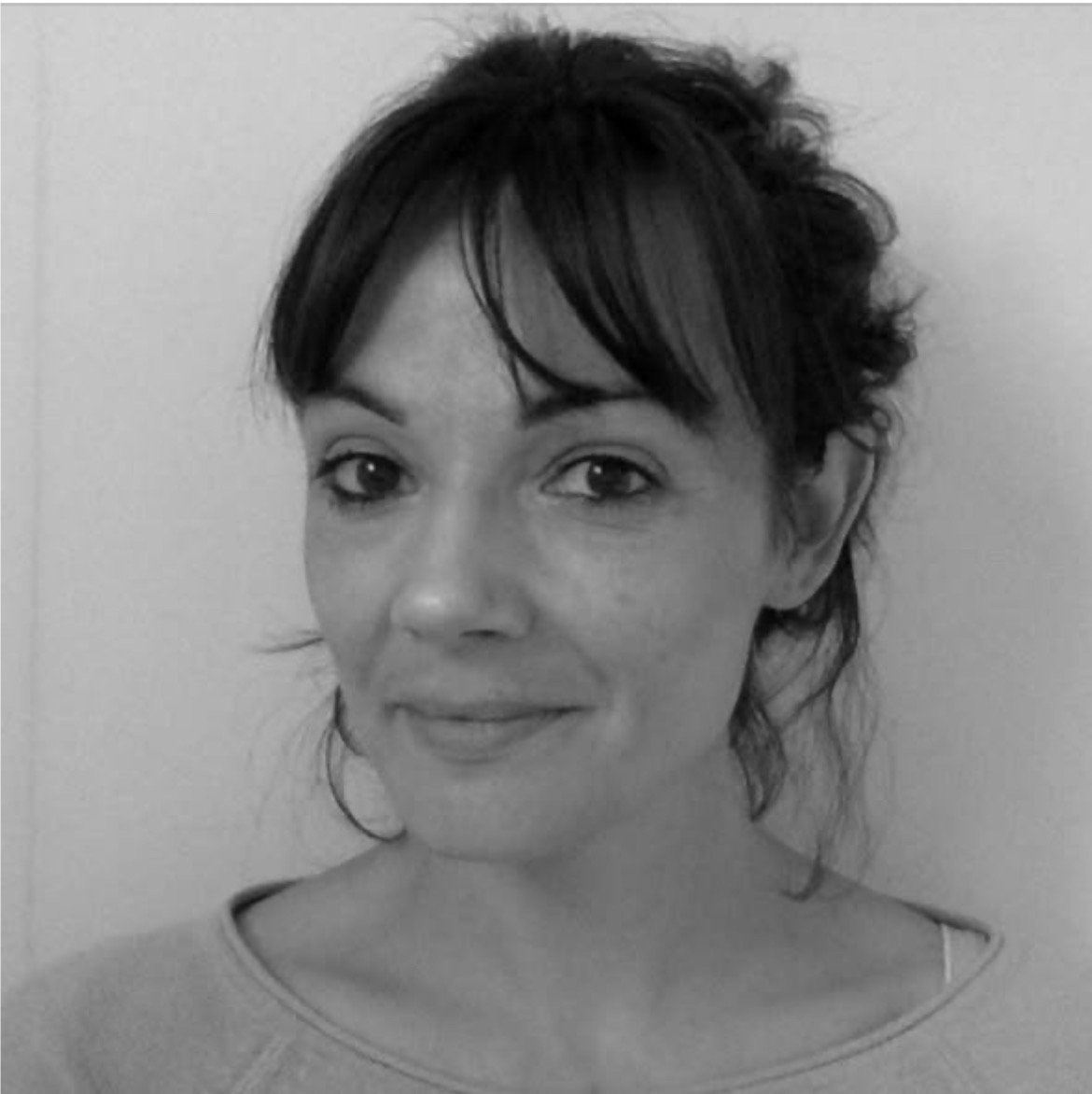
Andi Kerr Little, psychotherapist
Qualifications BSc Psychology · MSc Applied Behaviour Sciences
Native English speaker Scottish. I understand your cultural world.
10 years in Oslo Lived expat experience in Norway
In-person & Zoom Oslo · All of Scandinavia online

I work with people who feel stuck, anxious, exhausted, or disconnected from themselves. Many of my clients are expats living in Scandinavia. They come from the UK, the US, Canada, Australia, South Africa. They have moved here for work, for a partner, or for a change, and now they are struggling in ways they did not expect.

Individual therapy is a space to talk about what is actually going on, without having to explain the cultural context or simplify your feelings. We work together to understand where your patterns come from, what is keeping them in place, and how to shift them. The work is not about fixing you. It is about understanding yourself more clearly so that you can make different choices.

I use an integrative approach, which means I draw on different methods depending on what will be most helpful for you. The foundation is relational therapy, where the relationship between us is part of the work. I also use Compassionate Inquiry, a method developed by Dr Gabor Maté, which explores the root causes of patterns rather than just managing symptoms.

The best therapy is not the one that makes you feel better immediately, but the one that helps you understand why you feel the way you do.

Who This Is For

I work with adults who are dealing with anxiety, depression, burnout, relationship difficulties, or a sense that something is not quite right even when everything looks fine on the surface. I also work with expats who are struggling with the specific challenges of living abroad, such as loneliness, identity shifts, or the exhaustion of constantly adapting to a culture that is not your own.

You do not need to have a diagnosed condition to come to therapy. Many of my clients come because they are feeling overwhelmed, stuck, or disconnected, and they want help understanding why. Others come because they have tried other forms of therapy and found them too surface-level, or because they want to work with someone who understands their cultural background without needing it explained.

How It Works

Sessions are 50 minutes long and usually happen weekly or fortnightly, depending on what makes sense for you. We can meet in person at my practice in Oslo, or we can work together via Zoom if you live elsewhere in Scandinavia. The first session is about getting a sense of what is going on and whether I think I can help. If we both think it makes sense to work together, we continue. If not, I will refer you to someone more suitable.

The work itself is not structured in a rigid way. We talk about what is happening in your life, what you are feeling, and what patterns you are noticing. Over time, we work to understand where those patterns come from and how to shift them. Some people come for a few months, others for a year or longer. There is no fixed timeline. We review regularly to make sure the work still feels useful.

In-Person or Online

If you live in Oslo, we can meet in person at my practice on Ruseløkkveien 59, which is two minutes from Aker Brygge. If you live elsewhere in Norway, Sweden, Denmark, or anywhere else in Scandinavia, we can work together via Zoom. I have been doing online therapy since long before the pandemic, and the depth of the work is the same. The choice is yours, and it can change over time if your circumstances change.

Common Questions About Individual Therapy

Clear answers to help you decide if individual therapy is right for you.

How do I know if I need therapy or just a difficult period to get through?

If you are asking this question, the answer is probably that it is worth trying. Therapy is not just for people in crisis. It is also for people who are functioning but struggling, people who feel stuck, people who keep running into the same problems without understanding why. A difficult period becomes something more when it starts affecting how you feel about yourself, your relationships, or your ability to do the things you normally do. If you have been feeling this way for more than a few weeks, or if you notice the same patterns repeating, therapy can help you understand what is going on and how to move forward.

What should I expect from a first therapy session?

The first session is mostly about getting to know each other. I will ask you what brought you here, what is going on in your life, and what you are hoping to get from therapy. You do not need to have everything figured out. Most people come in with a general sense that something is not right, and we work from there. I will also explain how I work, what you can expect from sessions, and whether I think I am the right person to help you. If it does not feel like a good fit, I will tell you that honestly and refer you to someone more suitable.

How is integrative therapy different from CBT or other approaches?

Integrative therapy draws on different methods depending on what will be most helpful for you. CBT is useful for specific anxiety or thought patterns, but it does not go deep into the underlying causes. Psychodynamic therapy explores where patterns come from but can sometimes feel too abstract. Integrative therapy combines both, along with other approaches like relational therapy and somatic work. The focus is on understanding the root of what is happening, not just managing symptoms. It is less formulaic and more responsive to what you actually need.

What is Compassionate Inquiry and how does it work?

Compassionate Inquiry is a method developed by Dr Gabor Maté. It is based on the idea that most of our patterns, behaviours, and emotional responses are rooted in early experiences and unmet needs. The work is about exploring those roots with curiosity and without judgment. Instead of asking why you keep doing something, we ask what purpose it served when you first developed that pattern. The goal is not to fix you but to help you understand yourself more clearly, so that you can make different choices going forward.

How do I find the right therapist, what should I look for?

The most important thing is that you feel comfortable with the person. Qualifications matter, but the relationship matters more. A good therapist should be someone you can talk to honestly, who listens without judgment, and who challenges you when it is useful. If you are an expat, it helps to work with someone who understands the cultural context you come from. You should also trust that the therapist has a clear sense of what they are doing and why. If something feels off, trust that instinct. You do not owe anyone your loyalty in therapy. It is okay to move on if it is not working.

Is online therapy as effective as in-person sessions?

Yes. The research shows that online therapy is just as effective as in-person therapy for most issues. I have been doing online sessions for years, and the depth of the work is the same. Some people actually prefer it because it removes the logistical barriers and allows them to be in a comfortable, private space. The main difference is that you lose some of the in-person presence, but most people adjust to that quickly. If you are unsure, you can start with one or two sessions and see how it feels.

How often should I have therapy sessions?

Most people start with weekly sessions, which gives enough momentum for the work to build. Once things stabilise, we might move to fortnightly sessions. Some people prefer to keep going weekly because they find it more useful, others prefer the space between sessions to process things. There is no single right answer. We talk about frequency openly, and it can change over time depending on what makes sense for you. The goal is to find a rhythm that works, not to follow a rigid structure.

Where I Work

In-person in Oslo, or online across Scandinavia.

What People Say

I had tried therapy before in London and it never really worked for me. With Andi, I finally felt like someone was actually listening to what I was saying instead of just waiting for their turn to talk. She has this way of asking questions that make you realise things you did not know you were avoiding. I have been working with her for about six months now and I feel like I understand myself in a way I never did before.

JM
James
Individual Therapy

I moved to Oslo three years ago and spent most of that time pretending I was fine. Andi was the first person I talked to who actually understood what it is like to be an expat here without me having to explain every single cultural reference. The therapy itself has been difficult at times but also incredibly helpful. I feel like I am starting to work out who I actually am instead of just who I think I should be.

SC
Sophie
Individual Therapy

Honestly I was sceptical about online therapy but it has worked better than I expected. Andi is straightforward without being harsh, and she does not let me get away with my usual deflecting tactics. I have been doing weekly sessions for four months and I can see real changes in how I handle things. Would recommend to anyone who is tired of surface-level conversations and actually wants to get somewhere.

MR
Michael
Individual Therapy (Zoom)
Andi Kerr Little
About Andi

Scottish Psychotherapist in Oslo

I am a Scottish psychotherapist. I have lived in Oslo for over ten years and have been in private practice for the same length of time. I moved here in my twenties, so I know what it is like to adjust to life in Norway as an adult. I also know what it is like to live somewhere that is not quite home, even after a decade.

I trained in integrative psychotherapy in Norway and completed additional training in Compassionate Inquiry with Dr Gabor Maté. I work with adults, mostly expats, who are dealing with anxiety, depression, burnout, relationship difficulties, or a general sense that something is not right even when everything looks fine on the surface.

BSc Psychology, MSc Applied Behaviour Sciences
Trained in Integrative Psychotherapy (Integrativ-Terapi.no)
Compassionate Inquiry Practitioner (Dr Gabor Maté)
Safe and Sound Protocol Provider (Unyte)
More About My Approach

Common Questions

I am Scottish, which means English is not just the language I work in but the language I think in, grew up with, and understand in all its cultural depth. Many therapists in Oslo offer sessions in English, but I come from the same world as most of my clients. I understand what you mean when you say something is 'a bit much', or when you are trying to explain a feeling that does not translate well into Norwegian. There is no gap. I also bring ten years of lived experience in Oslo, so I know exactly what it feels like to move here, to navigate Norwegian systems, to adjust, and sometimes to struggle with that adjustment. That combination of native fluency and expat experience means you do not have to explain yourself twice.

There is no standard timeline. Some people come for a few months, others for a year or longer. It depends on what you are working through and what you want to get from therapy. I work with people who are looking for short-term support around a specific issue, and I also work with people who want longer-term therapy to explore patterns that have been present for years. We talk about duration openly. You are not locked into anything, and we review regularly to make sure the work still feels useful. Some people find that after a few months they have what they need. Others prefer to continue because they are finding real value in the process. It is always your choice.

No. I only work in English. My training, my clinical experience, and my entire therapeutic practice are in English. I speak Norwegian conversationally, but therapy is different. It requires a level of precision, emotional fluency, and subtlety that I cannot offer in a second language. I think it would be irresponsible to do so. What I can offer is native-level English therapy, which means you never have to simplify what you are saying or worry that something is getting lost. If you need therapy in Norwegian, I am happy to refer you to excellent Norwegian-speaking colleagues.

Both. If you live in Oslo, we can meet in person at my practice on Ruseløkkveien 59, which is two minutes from Aker Brygge. If you live elsewhere in Norway, Sweden, Denmark, or anywhere else in Scandinavia, we can work together via Zoom. Some people prefer in-person sessions, others prefer the flexibility of online. Both work well. I have been doing Zoom therapy since long before the pandemic, and the depth of the work is the same. The choice is yours, and it can change over time if your circumstances change.

I offer integrative psychotherapy, which means I draw on different approaches depending on what will be most helpful for you. The foundation is relational therapy, where the relationship between us is part of the work. I also use Compassionate Inquiry, a method developed by Dr Gabor Maté, which explores the root causes of patterns rather than just managing symptoms. The sessions are conversational, not scripted. We talk about what is happening in your life, what you are feeling, and what patterns you are noticing. Over time, we work to understand where those patterns come from and how to shift them. It is not about fixing you. It is about understanding yourself more clearly so that you can make different choices.

Sessions are charged at a standard rate, which I discuss openly during the consultation. I do not accept insurance or offer refunds through the Norwegian healthcare system, because I am not part of that system. This is private therapy, paid out of pocket. I know that cost is a real consideration, and I am straightforward about what I charge. If cost is a barrier, I am happy to discuss whether there are other options that might work better for you at this time, or to suggest other practitioners who offer sliding scale fees. I would rather have that conversation honestly than have you sign up for something that is not financially sustainable.

No. You do not need a referral from a doctor or anyone else. You can book directly. If you want to talk before committing to a session, I offer a free 20-minute consultation where we can speak briefly about what you are looking for and whether I think I can help. That call is not a therapy session, but it gives you a sense of how I work and whether we are a good fit. You can book the consultation through the website, or you can email me directly. There is no administrative process, no forms to fill out in advance. Just get in touch.

The easiest way is to book a free 20-minute consultation through the website. We can talk briefly about what is going on, what you are hoping to get from therapy, and whether I think I am the right person to help. If we both think it makes sense to work together, we book your first session. If not, I can point you toward other practitioners or resources that might be more suitable. There is no pressure. The consultation is just a conversation, and it gives you a chance to ask questions and get a sense of who I am before you commit to anything. You can also email me at Andikerrlittle@gmail.com if you prefer to reach out that way.

Other Ways I Can Help

Ready to Get Started?

Book a free 20-minute consultation to talk about what is going on and whether I can help. No pressure, just a conversation.

Book Free Consultation +47 906 02 994