Couples Therapy · Oslo, Norway

Couples Therapy in Oslo, Norway in English

I'm a Scottish psychotherapist who's lived in Oslo for over 10 years. I work with expat couples facing communication breakdowns, recurring conflicts, and the specific pressures of building a relationship far from home. In-person at Ruseløkkveien 59 (two minutes from Aker Brygge) or via Zoom.

Couple in conversation in Oslo
Qualifications BSc Psychology · MSc Applied Behaviour Sciences
Native English speaker Scottish. I understand your cultural world.
10 years in Oslo Lived expat experience in Norway
In-person & Zoom Ruseløkkveien 59, Oslo · Anywhere via Zoom

Why couples come to see me in Oslo

Most couples don't come to therapy because everything's fine. They come because the same argument keeps happening. Because one partner feels unheard and the other feels attacked. Because the connection that used to be easy now feels like work. Because living abroad adds a layer of pressure that makes everything harder.

I work with English-speaking expat couples across Oslo and Scandinavia. Many are from the UK, Ireland, North America, Australia, or South Africa. They moved here for work, for a partner, for adventure. But ambition and opportunity don't protect you from loneliness, burnout, or the strain of raising children far from family support. And when life gets hard, relationships absorb the impact.

Some couples come early, when they notice a pattern forming. Others come when things feel close to breaking. Both are valid times to seek help. I'm not here to save your relationship or tell you to leave. I'm here to help you understand what's happening between you, and to create space for both of you to be heard.

What couples therapy with me looks like

Couples therapy isn't about sitting in silence while I referee. It's about understanding the cycle you're caught in. Most couples aren't fighting about the dishes or whose turn it is to put the kids to bed. They're fighting because one person feels abandoned and the other feels suffocated. Or because one partner is grieving the life they left behind and the other can't understand why they're not grateful for the life they have now.

I use an integrative approach drawn from attachment theory, systems work, and Compassionate Inquiry. That means we look at your individual patterns, how they interact, and what's driving the conflict beneath the surface. I don't take sides. I help both of you make sense of what's happening and find a way forward that works for both of you.

Sessions are 60 minutes, and both partners need to be present. We can meet in person at my practice on Ruseløkkveien 59 in central Oslo, two minutes from Aker Brygge, or via Zoom if you're based elsewhere in Scandinavia or prefer the flexibility of online sessions.

Common issues I work with in couples therapy

Communication breakdowns. Recurring arguments that never resolve. Trust and betrayal. Navigating major life transitions together. Parenting disagreements. Intimacy and connection issues. Deciding whether to stay together or separate.

I also work with expat couples facing the specific pressures of living abroad. Cultural differences. Isolation. The strain of being far from family. One partner thriving while the other struggles. Burnout, anxiety, or substance use affecting the relationship. Raising children in a foreign country with no extended family nearby. These pressures are real, and they don't get talked about enough.

If you're reading this and thinking you're not sure if your issue is big enough for therapy, that's normal. Most couples wait too long before seeking help. If you're wondering whether therapy could help, it probably could.

Getting started with couples therapy

Three steps from first contact to ongoing work. No pressure, no commitment until you're ready.

1

Free consultation

20 minutes on the phone or Zoom. We talk about what's happening, what you're hoping for, and whether I'm the right therapist for you. No charge, no obligation.

2

First session

60 minutes with both partners. I ask questions, you tell me what's going on. We start to map the cycle you're caught in and what each of you needs.

3

Ongoing work

We meet weekly or fortnightly, depending on what makes sense. The pace is collaborative. Some couples see shifts quickly, others need more time. We review progress regularly.

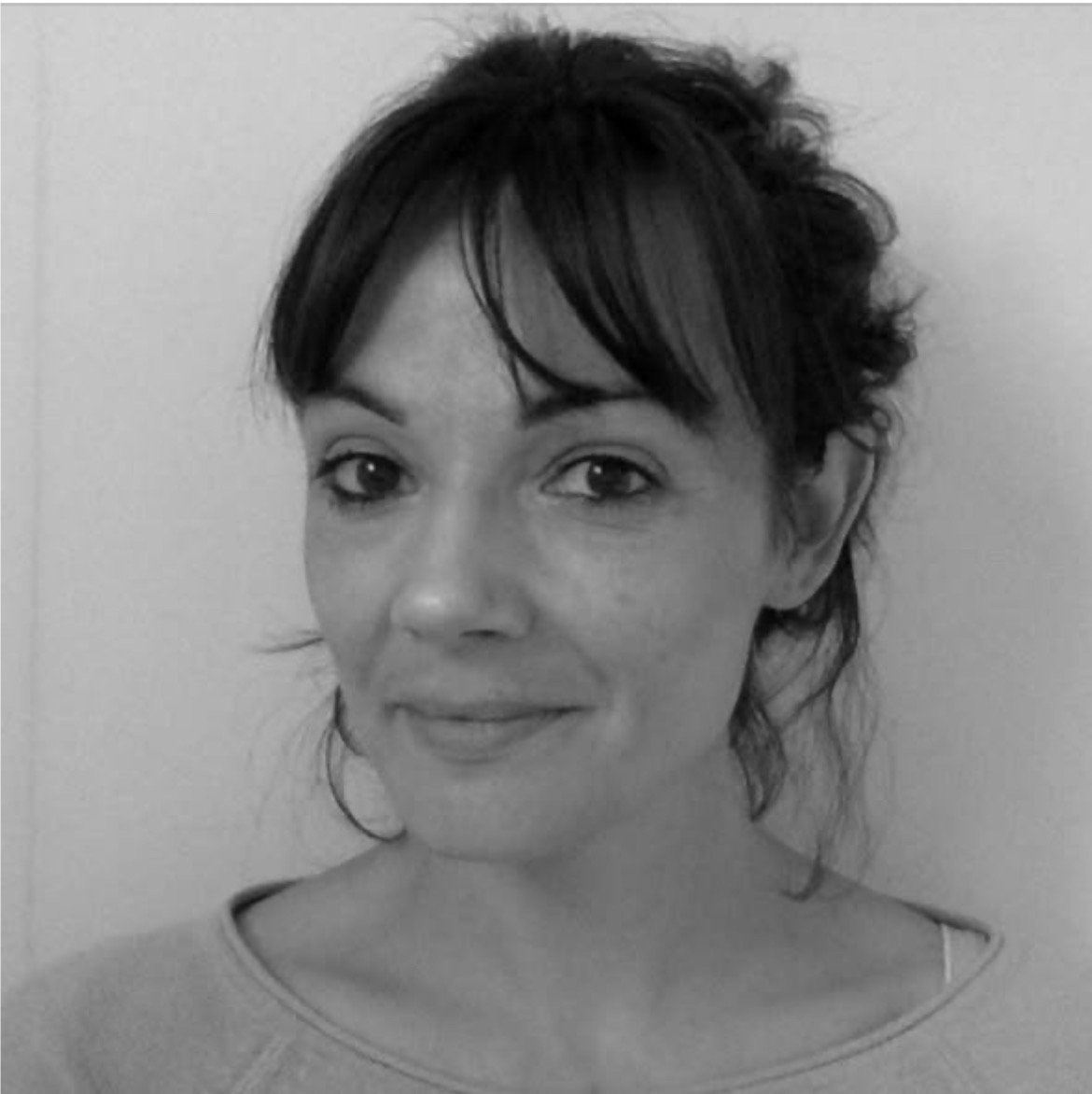
Andi Kerr Little, psychotherapist in Oslo
About Andi

Scottish psychotherapist based in Oslo for over 10 years

I moved to Oslo from Scotland in 2013. I understand what it's like to build a life in a foreign country, to navigate a new culture, to feel disconnected from the people and places that used to anchor you. That lived experience shapes how I work with expat couples.

I trained in integrative psychotherapy and hold degrees in Psychology (BSc) and Applied Behaviour Sciences (MSc). I've also trained in Compassionate Inquiry with Dr. Gabor Maté and the Safe and Sound Protocol (Unyte). I've been in private practice for 10 years, working primarily with English-speaking expats across Scandinavia.

I'm a native English speaker. That matters because therapy requires nuance, and nuance requires language fluency. When couples are processing conflict, miscommunication, or deep emotional pain, they need to be able to express themselves fully. I offer that.

BSc Psychology
MSc Applied Behaviour Sciences
Trained in Integrative Psychotherapy
Compassionate Inquiry (Dr. Gabor Maté)
Safe and Sound Protocol (Unyte)
More about Andi

Issues I commonly work with in couples therapy

These are some of the struggles that bring couples to therapy. If you're dealing with something not listed here, reach out anyway.

What couples say about working with me

We'd been stuck in the same argument for months. Andi helped us see the pattern underneath it, the thing we were both actually afraid of. She didn't try to fix us or tell us what to do. She just created space for us to hear each other properly. We're not perfect now, but we understand each other better. That's made all the difference.

RT
R.T., Oslo
Couples Therapy

My partner was hesitant about therapy at first, but Andi made it feel safe from the start. She didn't take sides, which was important to both of us. She helped us talk about the hard stuff without it turning into a fight. We came in thinking we might need to separate. Six months later, we're in a completely different place. Still together, still working on things, but we have tools now.

SK
S.K., Frogner
Couples Therapy via Zoom

Andi gets the expat thing. We didn't have to explain why being far from family was hard, or why my partner was grieving her old life even though we moved here for my job. She understood it immediately. That alone made such a difference. The sessions gave us language for what we were feeling and helped us stop blaming each other for things that were nobody's fault.

ML
M.L., Majorstuen
Couples Therapy

Common questions about couples therapy

How do we know when couples therapy would help us?

If you're asking the question, it's probably time. Most couples wait too long. They hope things will get better on their own, or they think therapy is only for relationships on the verge of collapse. But couples therapy works best when you come early, before resentment calcifies and before the same argument has happened so many times that neither of you can hear each other anymore. If communication has broken down, if you're stuck in the same cycle, if one or both of you feel lonely in the relationship, therapy can help.

What happens in a first couples therapy session?

I ask questions. You tell me what's happening. I want to understand the history of your relationship, what brought you together, when things started to feel difficult, and what each of you is hoping for now. I'm not looking for someone to blame. I'm looking for the pattern you're caught in. First sessions are about mapping the cycle and understanding what each of you needs. By the end, we'll have a sense of what we're working on and whether continuing makes sense for both of you.

Is couples therapy more effective before or after things reach a crisis?

Before. Couples therapy works best when you're still able to hear each other, even if it's hard. If you're at the point where you can't be in the same room without fighting, or where one person has completely shut down, it's harder but not impossible. Crisis can be a catalyst for change. But prevention is always better than repair. If you're noticing a pattern forming, or if you're starting to feel distant or stuck, that's the time to come. Don't wait until things are on fire.

What if my partner is reluctant to come to therapy?

That's common. Reluctance is usually about fear, not refusal. Fear of being blamed, fear of making things worse, fear of being told the relationship is over. I offer a free 20-minute consultation where a hesitant partner can ask questions, get a sense of me, and decide if they're willing to try. Sometimes just knowing that I'm not there to take sides is enough. If your partner genuinely won't come, I can still work with you individually, which sometimes creates enough shift that they become open to joining later.

How does being an expat couple create specific relationship pressures?

Living abroad removes the buffer of family and old friends. The relationship has to carry more weight. If one partner is thriving and the other is struggling, resentment builds. If you have children, the absence of grandparents, aunts, uncles, or a support network you trust makes everything harder. Cultural differences surface in unexpected ways. Language barriers create isolation. The pressure to succeed, to prove the move was worth it, makes it harder to admit when you're not coping. These pressures are real, and they need to be named.

Can couples therapy help even if we're considering separating?

Yes. Sometimes couples therapy helps you separate more consciously and with less damage, especially if children are involved. I'm not here to save your relationship if it shouldn't be saved. I'm here to help you understand what's happening and make a decision that's right for both of you. Some couples come in thinking they need to separate and realise they just need to communicate differently. Others realise separation is the right path but use therapy to do it with clarity and respect. Both outcomes are valid.

What makes a couples therapist the right fit for us?

You need to feel like both of you can be heard. If one partner feels like the therapist is siding with the other, it won't work. You also need someone who understands your context. If you're an expat couple, you need a therapist who gets the specific pressures of that. If you're navigating cultural differences, language matters. A native English speaker who has lived abroad understands nuance in a way that someone working in a second language often can't. Beyond that, it's about whether the therapist's style feels right. Some people need directness, others need more gentleness. The free consultation is where you figure that out.

Book a free 20-minute consultation

No charge, no obligation. We'll talk about what's happening and whether I'm the right fit for you as a couple.

Frequently asked questions

I work with couples on communication breakdowns, recurring arguments that never seem to resolve, trust and betrayal, navigating life transitions together, parenting disagreements, intimacy and connection issues, and deciding whether to stay together or separate. I also work with expat couples facing the specific pressures of living abroad, cultural differences, isolation, and the strain of being far from family support. Many couples come when one partner is struggling with burnout, anxiety, or substance use and it's affecting the relationship. Some come when things feel stuck or distant, others when everything feels on fire. Both are valid times to seek help.

Ideally, both partners attend. Couples therapy works best when both people are in the room and willing to engage. That said, if one partner is reluctant or not ready, I can still work with the partner who is willing. Sometimes individual therapy for one person creates enough shift in the dynamic that the other partner becomes more open to joining later. I also offer a free 20-minute consultation where a hesitant partner can ask questions, get a sense of me, and decide if they're willing to try. Often, reluctance isn't about therapy itself but about fear of being blamed or not understood. I make it clear from the start that I'm not here to take sides.

In individual therapy, we work on your experience of the relationship, your patterns, your feelings. In couples therapy, we work on the relationship itself, the space between you. I see both partners, hear both perspectives, and help you understand the cycle you're caught in. Individual therapy is useful if you need to process your own history or trauma, or if you're deciding whether to stay or leave. Couples therapy is useful when the issue is relational, when communication has broken down, or when you both want to work on it together but don't know how. Sometimes people start with individual therapy and move to couples therapy later, or do both at the same time with different therapists.

It depends on what you're working on and how entrenched the patterns are. Some couples see shifts within six to eight sessions. Others work with me for several months or longer, especially if there's been betrayal, ongoing issues with trust, or if you're navigating something like parenting conflicts or a major life transition. I don't believe in keeping couples in therapy longer than necessary. We review progress regularly and adjust frequency as things improve. Some couples come weekly at first, then move to fortnightly, then check in once a month. Others come intensively for a period and then return if something comes up later. The pace is collaborative.

Yes, couples therapy requires both partners to be present. The work happens in the dynamic between you, and that only exists when you're both in the room. If one partner can't make a session, we reschedule. Occasionally, I might offer individual sessions as part of the couples work, but that's something we'd discuss together first, and it's not a replacement for joint sessions. If one partner consistently can't or won't attend, we'd need to reassess whether couples therapy is the right format at that time.

Couples therapy sessions are 60 minutes. I provide pricing details during the free 20-minute consultation. I know therapy is an investment, and I want you to go into it with clarity about cost and what you're paying for. I don't accept insurance, so payment is out-of-pocket. I do accept international payments via bank transfer or card. If cost is a concern, we can discuss session frequency or whether short-term focused work makes sense for your situation.

Yes. Many of the couples I work with are based outside Oslo or prefer the flexibility of online sessions. Zoom couples therapy works well when both partners are committed, have a quiet space, and a stable internet connection. Some couples prefer in-person for the sense of presence and containment, others find Zoom easier logistically, especially if they have young children or demanding work schedules. I offer both, and some couples do a mix depending on the week. The therapeutic process is the same.

Start with the free 20-minute consultation. You can book it through the form on this page, or call me directly at +47 906 02 994. In that conversation, we'll talk about what's happening, what you're hoping for, and whether I'm the right fit. If we decide to move forward, we'll schedule your first full session. First sessions are about understanding the history, the current issue, and what each of you needs. I don't expect you to have it all figured out. I just need to hear what's going on.

Couples therapy in other locations

Related services

Ready to start couples therapy in Oslo?

Book a free 20-minute consultation. We'll talk about what's happening, what you're hoping for, and whether I'm the right therapist for you.

Book Free Consultation or call +47 906 02 994