Couples Therapy · Greater Oslo

Couples Therapy in Greater Oslo, Norway - in English

I'm Andi Kerr Little, a Scottish psychotherapist who's been working with couples in Oslo and across Scandinavia for over 10 years. I help English-speaking expat couples work through relationship struggles, improve communication, and find a way forward together. Available in-person in Oslo or via Zoom.

Couples therapy Oslo
Qualifications
BSc Psychology · MSc Applied Behaviour Sciences
Native English speaker
Scottish. I understand your cultural world.
10 years in Oslo
Lived expat experience in Norway
In-person & Zoom
Ruseløkkveien 59, Oslo · Anywhere via Zoom

Couples Therapy for English-Speaking Expats Across Greater Oslo

I work with couples in Baerum, Asker, Fornebu, Sandvika, Lillestrøm, Ski, Drammen, Moss, and Fredrikstad. Many of my clients live in areas with large expat populations, particularly around Fornebu where international companies cluster, or in Baerum where UK and US families often settle near international schools. The commute into central Oslo can be difficult, which is why I offer Zoom sessions alongside in-person work. Either way, you get the same quality of therapy in a language and cultural context that makes sense to you.

Couples therapy isn't about fixing one person or proving who's right. It's about understanding the dynamic you're stuck in, how you each contribute to it, and finding a way to change it together. Most couples come when they're exhausted from the same argument, disconnected, or uncertain whether the relationship can survive the pressure. My job is to help you see each other clearly again, communicate without defensiveness, and decide what kind of relationship you actually want.

Why Expat Couples in Greater Oslo Struggle Differently

Relocation changes relationships in ways people don't anticipate. One partner often sacrifices a career or social network to move, which creates resentment over time. The other partner may feel guilty, defensive, or resentful that their sacrifice isn't acknowledged. Add long Norwegian winters, isolation from family, the cultural adjustment, and the question of how long you're staying, and it's no surprise that relationships crack under the weight.

I see this constantly with couples living in Fornebu or Baerum. One partner works at Telenor, Aker, or another international company, while the other partner struggles to build a life here. The working partner comes home exhausted, the non-working partner feels invisible, and neither of you knows how to talk about it without fighting. That's where couples therapy helps. We slow down the cycle, make space for what's not being said, and figure out how to move forward without repeating the same patterns.

What Couples Therapy Actually Looks Like

In the first session, I want to hear from both of you. What brought you here, what you've tried, what's working and what's not. I'm not interested in taking sides, I'm interested in understanding the cycle. Most relationship problems aren't about the content of the argument, they're about the pattern underneath it. One person pursues, the other withdraws. One criticises, the other defends. One wants connection, the other needs space. We get stuck because we don't see our part in keeping it going.

Couples therapy gives you a structured place to talk about the hard things without it escalating into another fight. I help you slow down, hear each other differently, and start shifting the dynamic. It's not always comfortable, but it's effective. The goal is not to make you agree on everything, it's to help you communicate, repair when things go wrong, and rebuild trust where it's been lost.

How Couples Therapy Works

1

Free Consultation

We talk for 20 minutes about what's happening, what you've tried, and whether couples therapy makes sense. No obligation, just clarity.

2

First Session

Both partners attend. We map the dynamic, identify the patterns, and start building a shared understanding of what's keeping you stuck.

3

Ongoing Work

Sessions continue weekly or fortnightly, depending on what works for you. We adjust as needed. You're always in control of the pace.

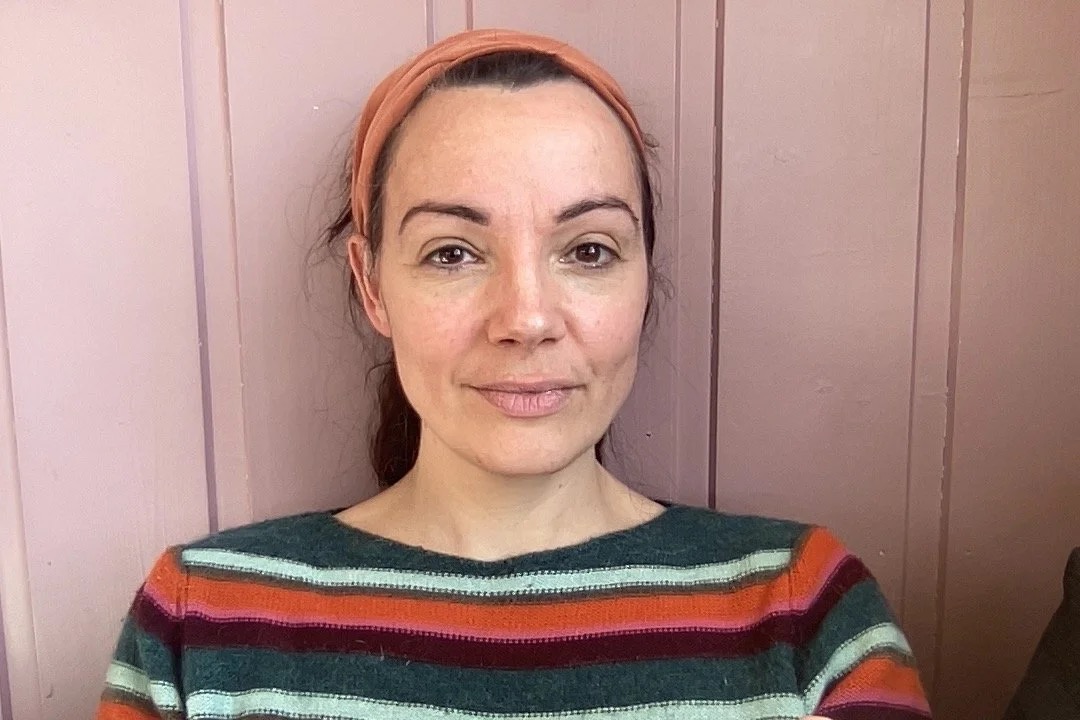
Andi Kerr Little, psychotherapist Oslo
About Me

I'm Andi Kerr Little, a Scottish Psychotherapist in Oslo

I moved to Norway over 10 years ago, so I understand the expat experience from the inside. I know what it's like to adjust to a new culture, to miss home, to rebuild a life in a place that doesn't always make sense. That context matters when you're working with couples who are navigating the same pressures.

I trained in integrative psychotherapy at the Norwegian Institute for Body-Oriented Psychotherapy, studied Compassionate Inquiry with Dr. Gabor Mate, and I'm certified in the Safe and Sound Protocol through Unyte. My approach is direct, relational, and focused on helping you see the patterns that keep you stuck so you can change them.

BSc Psychology, MSc Applied Behaviour Sciences
Member, Norwegian Association for Integrative Psychotherapy
Trained in Compassionate Inquiry, Safe and Sound Protocol
10 years in private practice in Oslo
More About My Approach

What I Help Couples With

Anxiety in Relationships

When one or both partners struggle with worry, overthinking, or fear of abandonment.

Burnout & Exhaustion

Work stress, caregiving fatigue, or expat overwhelm draining your relationship.

Depression & Disconnection

Emotional withdrawal, loss of intimacy, or feeling like roommates instead of partners.

Expat Relationship Strain

Relocation stress, career sacrifice, isolation, and the pressure of living abroad.

Parenting Conflicts

Different parenting styles, cultural expectations, or raising children far from family.

Trust & Betrayal

Rebuilding after infidelity, broken promises, or patterns of dishonesty.

What Clients Say

We were stuck in the same fight for years. Andi helped us see how we were both keeping it going without realising it. She didn't take sides, she just showed us the pattern. We're talking differently now, actually hearing each other instead of defending. The Zoom sessions worked brilliantly for us in Sandvika.

M.T.
M.T.
Sandvika

I was ready to leave. My partner convinced me to try therapy first. Andi made it feel less scary than I expected. She got the expat stuff immediately, how much resentment builds when one person gives up everything to move. We've still got work to do, but we're actually doing it now instead of avoiding it.

L.H.
L.H.
Fornebu

Andi helped us rebuild trust after a really difficult period. She didn't sugarcoat anything, but she also didn't make either of us feel judged. It took longer than we thought, but we're in a much stronger place now. Being able to do it via Zoom from Drammen made it actually doable with our schedules.

S.K.
S.K.
Drammen
Free Consultation

Book Your Free 20-Minute Consultation

No pressure, no obligation. Just a conversation about what's happening and whether couples therapy would help. Available via phone or Zoom.

Common Questions About Couples Therapy

I work with the full range of relationship struggles. Communication breakdown is the most common starting point, where couples feel they're talking past each other or endlessly repeating the same argument. I also work with trust issues after infidelity, resentment that's built up over time, navigating different expectations around money or parenting, dealing with life transitions that have changed the relationship dynamic, and sexual disconnection or mismatched desire. For expat couples specifically, there's often pressure from relocation, one partner feeling isolated, career sacrifices, or disagreements about how long to stay in Norway. We also address whether to stay together or separate, when one or both partners feel stuck. The work is about creating enough safety and understanding to actually talk about what's happening, rather than defending or shutting down.

It's not ideal, but it's also very common. Often one partner is ready to start and the other is hesitant, defensive, or just worn out. If that's your situation, I'd still recommend booking the free consultation. Sometimes hearing from a third party that therapy isn't about blame helps shift the resistance. If your partner genuinely refuses, individual therapy can still help you understand your part in the dynamic, clarify what you need, and figure out your next steps. That said, couples therapy works best when both people are in the room. It's not about ganging up on anyone, it's about helping both of you see and shift the patterns you're stuck in. If your partner is reluctant but willing to try one session, that's often enough to ease the fear and get things moving.

Individual therapy is useful if you need to work through your own attachment patterns, past relationship trauma, or emotional reactivity. It helps you understand yourself better. Couples therapy looks at the relationship as its own system. The issue isn't usually one person's fault, it's the cycle you're both caught in. In couples work, I'm tracking how you communicate, where you misunderstand each other, what each of you is protecting, and what neither of you is saying. I help both partners see their role in keeping the pattern going, and give you tools to break it. It's also more immediate. You're not just talking about your partner, you're sitting next to them, working through real issues in real time. That's harder, but it's also what makes it effective.

It depends on what you're working on and how entrenched the patterns are. Some couples come for a few months to work through a specific issue like adjusting to expat life or recovering from a betrayal. Others stay longer because they want to rebuild trust, improve communication, or address deeper relational wounds. I don't believe in dragging therapy out, but I also don't push a quick fix when the work needs time. Most couples start noticing shifts within the first few sessions, like feeling more heard or understanding each other's perspective differently. That doesn't mean everything is resolved, but it's a sign the work is moving. We review progress as we go, and you're always in control of when to continue or step back.

Yes, couples therapy only works when both people are present. The whole point is to work on the relationship dynamic, and I can't do that with one person in the room. If one partner misses a session, we reschedule. That said, there are times when I might suggest individual sessions for each of you, particularly if there's something one person needs to process separately before bringing it into the couples work. That's different from one partner just not showing up. Therapy requires commitment from both of you, not because I'm rigid about it, but because the work itself depends on it. If attending is genuinely difficult because of schedules or distance, Zoom makes it much easier to stay consistent.

Sessions are NOK 1,400 per 60 minutes. That's the same rate whether you're coming in-person to my office in Oslo or meeting via Zoom. Couples therapy is rarely covered by Norwegian public health, so this is a private pay service. I understand that cost can be a barrier, especially if you're paying out of pocket, but I also know that unresolved relationship distress has its own cost, emotionally and practically. If the fee is a concern, we can talk about session frequency during the consultation. Some couples benefit from weekly sessions at the start, others prefer fortnightly. There's no minimum commitment, you're not locked into a package. You pay per session and we adjust as needed.

Yes, and it works just as well as in-person therapy for most couples. I've been doing Zoom sessions since long before the pandemic, particularly for clients in Greater Oslo who prefer not to commute into the city, or expat couples living elsewhere in Norway, Sweden, or Denmark. You need a private space where you can both sit together and talk openly, a decent internet connection, and ideally headphones so we can all hear each other clearly. Zoom removes the logistical friction of coordinating schedules and travel, which often makes it easier to stay consistent. Some couples prefer the ritual of coming to the office, and that's fine too. Both options are available, and you can switch between them if your circumstances change.

Start with the free 20-minute consultation. You can book that through the form on this page, or call me directly on +47 906 02 994. The consultation is a chance to talk briefly about what's going on, ask any questions you have, and see if this feels like the right fit. If we decide to move forward, we'll schedule your first full session, which is 60 minutes. I'll send you a confirmation with all the details, whether that's the address of my office in Oslo at Ruseløkkveien 59, or a Zoom link if you're meeting online. Both partners should attend the first session. There's no paperwork to fill out in advance, we just start talking. The goal of that first session is to understand what's brought you here, what you each want from therapy, and to begin mapping the dynamic between you.

What to Know About Couples Therapy

How do we know when couples therapy would help us?

If you're having the same argument repeatedly without resolution, if one or both of you feel unheard or misunderstood, if trust has been broken, or if you're questioning whether the relationship can continue, those are all signs that couples therapy could help. You don't need to wait until things are completely broken. In fact, therapy tends to work better when you come before the resentment is too deep. That said, even couples on the edge of separation can benefit if both people are willing to try.

What happens in a first couples therapy session?

I'll ask both of you what brought you here, what you've tried, and what you hope therapy will help with. I'm listening for the pattern underneath the content, how you communicate, where you get stuck, what each of you needs but isn't getting. The first session is also about building trust. You need to feel that I'm not picking sides, that I'm genuinely trying to understand both perspectives. We'll also talk logistics, how often to meet, whether you prefer Zoom or in-person, and what realistic progress looks like.

Is couples therapy more effective before or after things reach a crisis?

Before. Couples who come early, when the issues are still manageable, tend to resolve things faster and with less pain. But that doesn't mean therapy can't help in a crisis. I work with couples who are separated, who've had affairs, who haven't had sex in years, who are barely speaking. The difference is that crisis work takes longer and requires more commitment. If you're in crisis, the first goal is usually just to stabilise things enough that you can think clearly and make decisions from a less reactive place.

What if my partner is reluctant to come to therapy?

That's very common. Often one partner sees therapy as defeat or blame. If that's happening, I'd recommend framing it as getting an outside perspective, not as admitting fault. The free consultation can help, sometimes a brief conversation with me is enough to ease the fear. If your partner is genuinely refusing, you can still come to individual therapy to work on your side of the dynamic and get clarity on what you need. But if your partner is willing to try even one session, that's usually enough to shift the resistance once they see it's not about being ganged up on.

How does being an expat couple create specific relationship pressures?

Relocation disrupts everything. One partner often sacrifices career, friends, or family proximity to move, which creates invisible resentment. The working partner feels guilty or defensive. The non-working partner feels invisible or undervalued. Add cultural adjustment, isolation, long winters, and uncertainty about how long you're staying, and it's a recipe for disconnection. These pressures don't automatically break relationships, but they expose existing fractures and create new ones. Couples therapy helps you name what's actually happening so you can address it instead of blaming each other.

Can couples therapy help even if we're considering separating?

Yes. Sometimes the goal isn't to save the relationship, it's to figure out whether it's worth saving. Therapy gives you the space to make that decision from a clearer, less reactive place. If you do decide to separate, therapy can help you do it with less damage, particularly if you have children or shared responsibilities. I've worked with couples who came to therapy on the brink of divorce and ended up rebuilding. I've also worked with couples who decided to separate but did so with more clarity and less destruction. Either outcome can be the right one.

What makes a couples therapist the right fit for us?

You need to feel that the therapist genuinely understands both of you, isn't taking sides, and can hold the tension without trying to fix it too quickly. For expat couples, cultural context matters. I'm Scottish, I've lived the relocation experience, I understand the specific pressures of living abroad as an English-speaking couple in Scandinavia. That familiarity helps, but ultimately the fit comes down to whether you both feel safe enough to be honest in the room. If it doesn't feel right after the first session or two, it's worth saying so. Therapy only works if the relationship between you and the therapist actually functions.

Couples Therapy in Other Regions
Related Services

Ready to Start?

Book a free 20-minute consultation or call me directly. Let's talk about what's happening and whether couples therapy would help.

Book Free Consultation +47 906 02 994