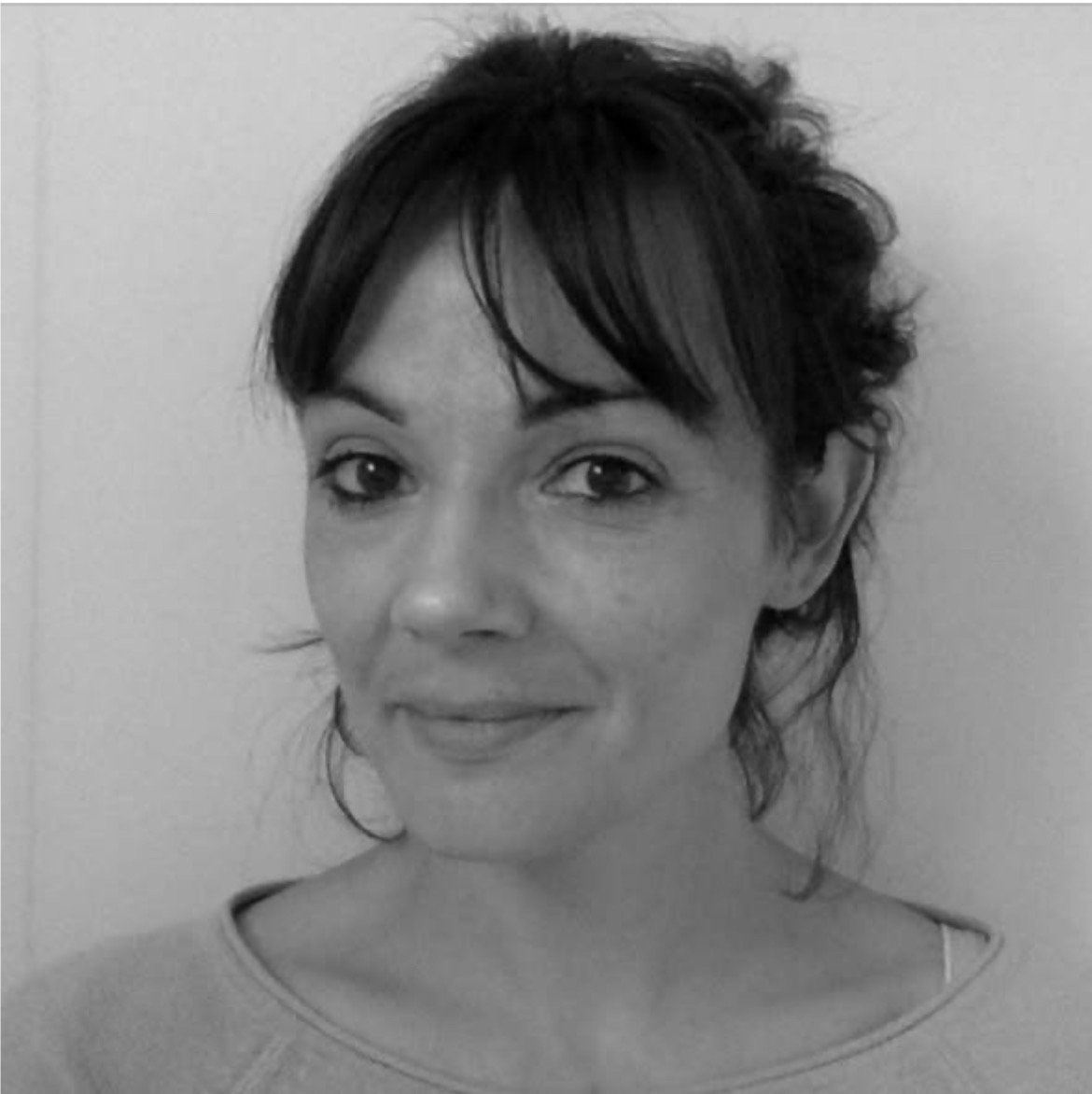
Online therapy for English-speaking expats living anywhere in Norway. I am a Scottish psychotherapist with over 10 years of lived expat experience in Oslo. I work via Zoom with clients across Bergen, Stavanger, Trondheim, Tromsø, and everywhere in between.
I work with English-speaking expats across Norway via Zoom. Not because it is convenient, though it is, but because the work is just as real, just as deep, and just as effective as anything that happens in person.
I am Scottish. I have lived in Oslo for over ten years. I understand what it is like to feel culturally displaced, to miss the ease of being understood without having to translate yourself, to feel both grateful for Norway and exhausted by it.
The sessions are 50 minutes, one-to-one, and conducted in native English. You do not have to explain your humour, your references, or why something feels hard. I already know. That cultural understanding is not a small thing. It is often the reason people come to me in the first place.
A lot of people find me because they have been looking for an English-speaking therapist who actually understands what it is like to live in Norway as a foreigner. Not someone who offers sessions in English as a second language, but someone who thinks in English, gets the cultural references, and has lived the expat experience themselves.
That is me. I am Scottish, I have been in Oslo for over a decade, and I work with English-speaking clients across Bergen, Stavanger, Trondheim, Tromsø, and every smaller town in between. All sessions are via Zoom, which means geography is not a barrier. If you have a quiet space and an internet connection, we can work together.
The things people bring to me are often variations on the same core themes. Loneliness. Identity confusion. Relationship strain. A sense of being stuck between two worlds. The feeling of being tolerated but not quite included. The exhaustion of trying to integrate into a culture that does not really want you to. These are real things. They deserve real attention.
Living in Norway as an English speaker is not what people imagine it will be. Most people arrive expecting a smooth transition. Clean cities, good work-life balance, functional systems. And yes, those things exist. But what people do not expect is how hard it is to build a life here that feels genuinely connected.
Norwegians are polite, but they are not open. The social structures are already set. Friendships were formed in childhood, and there is not much room left for newcomers. You can live here for years and still feel like an outsider. That is not paranoia. That is the reality of Norwegian social culture.
Then there is Janteloven, the cultural norm that says you should not think you are special. It affects everything. It means people do not ask about your life. It means achievements are downplayed. It means emotional expression is muted. For English speakers, especially those from cultures that value directness, warmth, and self-expression, this can feel suffocating.
And then there is the relationship piece. If you are in a relationship with a Norwegian, you are navigating two different emotional languages. If you are single, you are trying to meet people in a culture where dating is indirect, ambiguous, and often confusing. Either way, it is hard.
I do not do surface-level work. I am not here to give you coping strategies for feeling a bit stressed. I am here to help you make sense of the deeper stuff. The identity questions. The grief you did not know you were carrying. The anger you have been suppressing because you feel like you should just be grateful to be here.
Sessions are 50 minutes, one-to-one, via Zoom. You do not need to be in Oslo. You do not need to travel. You just need a space where you can talk freely. I will ask you questions. I will listen. I will reflect back what I hear. And over time, we will start to make sense of what is actually happening beneath the surface.
I work integratively, which means I draw from multiple therapeutic approaches depending on what you need. Sometimes that is psychodynamic work, looking at patterns from your past. Sometimes it is somatic, working with what is happening in your body. Sometimes it is Compassionate Inquiry, which is about understanding the stories you have been telling yourself and why they are there.
The most important thing is that you do not have to explain yourself. I already understand the cultural context you are living in. I already know why something that sounds small can feel enormous. That understanding is the foundation of everything we do together.
Answers to the questions most English-speaking expats have about accessing therapy across Norway.
Most therapists in Norway are Norwegian-speaking. Even those who offer English sessions often do so as a second language, which changes the dynamic. You end up translating yourself, worrying about whether you are being understood, or holding back because you cannot find the exact words. That is not therapy. That is performance. I am a native English speaker. I think in English. I understand the nuances, the humour, the cultural references. That changes everything.
Yes. I have been working online with clients across Scandinavia for years, and the work is just as deep, just as connected, and just as effective as in-person sessions. What matters is the quality of the relationship and the cultural understanding. Those things exist on Zoom in exactly the same way they do in a physical room. Some clients actually prefer online because it feels more private, or because they can do it from their own space where they already feel safe.
Norway is not an easy country to integrate into. The social structures are closed. Norwegians are polite but not warm. There is a cultural norm called Janteloven that discourages standing out, which can feel stifling if you come from a culture that values self-expression. The winters are long and dark. The cost of living is high. And there is a pervasive sense that you are tolerated but not really wanted. That combination creates a very specific kind of emotional strain.
Norwegian communication is indirect, emotionally restrained, and conflict-avoidant. For English speakers, especially those from cultures that value directness and warmth, this can feel cold, confusing, or even rejecting. You might feel like you are constantly misreading social cues. You might feel lonely even when you are surrounded by people. You might feel angry but not know how to express it because anger is not socially acceptable here. These are real challenges, and they affect mental health.
Janteloven is a cultural norm that says you should not think you are special, you should not stand out, and you should not talk about your achievements. It is deeply embedded in Norwegian culture. For expats, especially those from cultures that value ambition, self-expression, and recognition, it can feel suffocating. It affects how you show up at work, how you interact socially, and how you feel about yourself. Over time, it can lead to a sense of invisibility or a loss of identity.
All my sessions are conducted via Zoom, which means if you are anywhere in Norway with an internet connection, we can work together. I regularly work with clients in Bergen, Stavanger, Trondheim, Tromsø, and smaller towns across the country. You do not need to be in Oslo. You do not need to travel. You just need a quiet space where you can talk freely for 50 minutes. The location does not matter. What matters is that you are an English speaker in Norway who wants to work with someone who understands both sides of that equation.
You can expect directness. I do not dance around difficult topics. You can expect cultural understanding. I know what it is like to live in Norway as a foreigner. You can expect to be heard in your native language, with all the nuance and ease that brings. And you can expect the same quality of work as in-person therapy. The sessions are 50 minutes, one-to-one, and conducted via Zoom. The frame is online, but the depth of the work is exactly the same.
I work with English-speaking expats in Oslo in-person, and online across all of Norway, Sweden, and Denmark via Zoom.
In-person sessions at my practice in central Oslo, 2 minutes from Aker Brygge.
OnlineZoom sessions for English speakers in Asker, Bærum, Drammen, and surrounding areas.
OnlineTherapy via Zoom for English speakers anywhere in Norway.
OnlineOnline therapy for English speakers living in Sweden, from Stockholm to Malmö.
OnlineZoom sessions for English-speaking expats in Copenhagen and across Denmark.
OnlineEnglish-speaking therapy for expats anywhere in Sweden via Zoom.
I have been in Norway for six years and never found a therapist who really got it until I started working with Andi. She understands the loneliness, the cultural disconnect, the feeling of being stuck between two worlds. I do not have to explain myself. She already knows. That has made all the difference.
Working with Andi online from Tromsø has been brilliant. I was worried Zoom would feel disconnected, but it does not. She is direct, she asks the hard questions, and she does not let me off the hook. The cultural understanding is huge. She knows what it is like to live here, so I do not waste time explaining context. We just get straight into the work.
Andi helped me make sense of things I did not even know I was struggling with. Living in Norway as an expat is harder than I expected, and I felt guilty for not being more grateful. She gave me permission to feel what I actually feel. That sounds simple, but it changed everything.
I am Andi Kerr Little, a Scottish psychotherapist based in Oslo. I have been in private practice for 10 years, working with English-speaking expats across Scandinavia. I specialise in the emotional and psychological challenges of living abroad, particularly in Norway.
I trained in integrative psychotherapy, Compassionate Inquiry with Dr. Gabor Maté, and the Safe and Sound Protocol. I hold a BSc in Psychology and a Masters in Applied Behaviour Sciences. But more importantly, I have lived the expat experience myself. I know what it is like to feel culturally displaced, to miss the ease of being understood, and to navigate a life that is not quite home.
I have been working online with clients across Scandinavia for years, and I can tell you honestly that the work is just as deep, just as effective, and just as connected as anything that happens in my Oslo practice room. What matters is the quality of the relationship, the cultural understanding, and your ability to feel heard. Those things exist on Zoom in exactly the same way they do in person. You get the same 50 minutes of my full attention, the same approach, the same commitment to the work. Some clients even prefer the online space because it feels more private, or because they can do it from their own sofa where they already feel safe. I have seen people do some of the hardest work of their lives via Zoom. The screen is just the frame. The therapy is what happens inside it.
Yes. All my online sessions are conducted via Zoom, which means if you are anywhere in Norway with an internet connection, we can work together. I regularly work with clients in Bergen, Stavanger, Trondheim, Tromsø, and smaller towns across the country. You do not need to be in Oslo. You do not need to travel. You just need a quiet space where you can talk freely for 50 minutes. I have worked with expats living in remote locations, people working offshore, and clients who simply prefer online because it fits their life better. The location does not matter. What matters is that you are an English speaker in Norway who wants to work with someone who gets both sides of that equation.
The most common things I see are loneliness, identity confusion, relationship strain, and a kind of low-grade grief that people do not always recognise as grief. A lot of expats come to me because they feel stuck between two worlds. Not quite Norwegian, not quite their home country anymore. They feel invisible in social settings. They miss the ease of being understood without having to translate their humour, their references, their whole way of being. Parenting abroad is another big one. Raising children in a culture that is not your own brings up all sorts of questions about identity, values, and what you are passing on. I also see a lot of burnout, especially in people who have been trying to integrate for years and are just exhausted by the effort. These are not small things. They deserve space.
I am Scottish. I have lived in Oslo for over ten years. I am not Norwegian, but I live here, raise my family here, and navigate the same systems you do. That puts me in a unique position. I understand what it is like to feel culturally out of step. I know what Janteloven is, why Norwegians do not small talk, and why you might feel lonely even when you are surrounded by people. I also understand the English-speaking world. I get your humour. I get your references. I get the way you think about things like directness, politeness, and emotional expression. That cultural bridge is not something you can fake. It is lived experience. And it means that when you talk to me, you do not have to explain yourself. I already know.
Yes. I have been here for over a decade. I know what it is like to feel like an outsider, even after years of living here. I know the frustration of not being able to access certain parts of Norwegian social life. I know what it feels like to be tolerated but not quite included. I also know the things that are beautiful about Norway, the things that make it worth staying. But I do not romanticise it. I see the expat experience clearly because I am living it myself. That means I can hold space for all of it, the gratitude and the grief, the relief and the rage. You do not have to be positive about it. You do not have to explain why something small feels big. I already know why.
The first session is just us talking. I will ask you what brought you here, what is happening in your life right now, and what you are hoping to get from therapy. I will also explain how I work, what you can expect from me, and answer any questions you have. It is not about fixing anything on day one. It is about starting to build a relationship. I want you to get a sense of who I am, how I listen, and whether this feels like the right fit. You will be on Zoom from wherever you are, I will be in my practice room in Oslo, and we will just talk like two human beings trying to make sense of something difficult. That is all it needs to be.
My fee for online sessions is the same as my in-person rate. A 50-minute session costs NOK 1,200. I do not take insurance, and I am not part of the Norwegian public health system, so this is private pay only. Payment is made via bank transfer after each session. If cost is a barrier, we can talk about it. I do not want money to be the reason someone does not get the support they need. I occasionally have sliding scale spaces available, and I am happy to discuss that with you if it is relevant. What matters most is that you can commit to the work, not that you tick a particular income box.
You can book a free 20-minute consultation through my website. That gives us a chance to talk briefly, see if we are a good fit, and answer any practical questions you have. If it feels right, we will schedule a first full session. You can also email me directly at Andikerrlittle@gmail.com or call me on +47 906 02 994 if you prefer to talk first. Once we have scheduled a session, I will send you a Zoom link. You do not need to download anything special. Just click the link at the time of your session, and we will be connected. It is very straightforward. The hardest part is usually deciding to reach out in the first place.
Book a free 20-minute consultation to see if we are a good fit. No pressure, no obligation. Just a conversation.
Book Free Consultation +47 906 02 994