TRAUMA THERAPY IN OSLO

Therapy for Trauma, in Oslo, in English

Trauma is not what happened to you. It is what happens inside you when something overwhelming occurs and the nervous system cannot fully process it. This work is about creating conditions where that processing becomes possible.

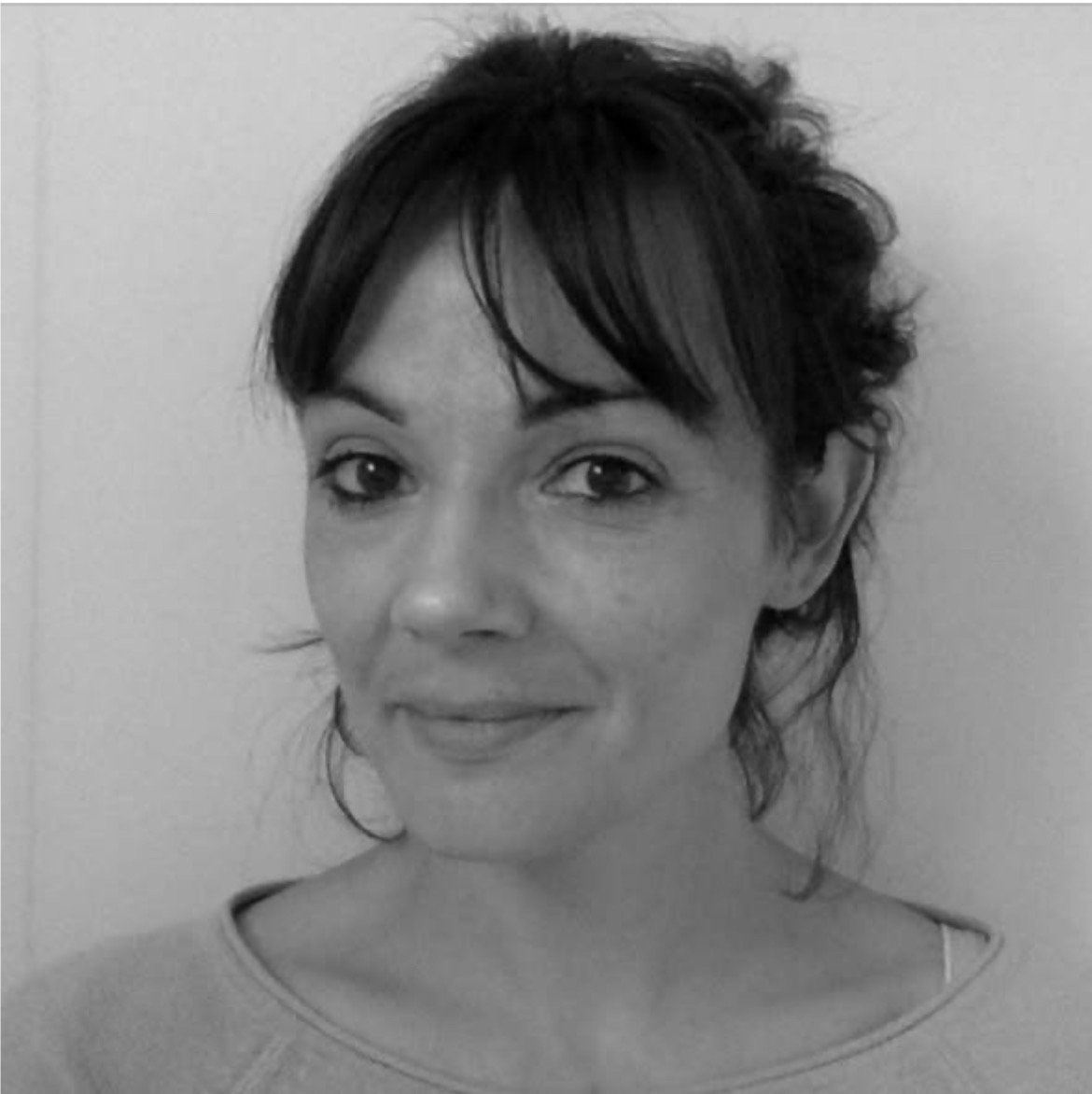
Andi Kerr Little, psychotherapist in Oslo
Qualifications BSc Psychology · MSc Applied Behaviour Sciences
Native English speaker Scottish. I understand your cultural world.
10 years in Oslo Lived expat experience in Norway
In-person & Zoom Oslo · All of Scandinavia online

Understanding Trauma

Trauma is the residue of experiences that were too overwhelming for the nervous system to integrate at the time they occurred. The event itself might have been a single incident or something that happened repeatedly. It might have been recognised as serious by others, or it might have been something no one else noticed. What defines trauma is not the size of the event, but the lasting effect it has on how the body and mind organise themselves afterwards.

Trauma shows up physiologically as much as psychologically. There is often hypervigilance, a chronic sense of being on guard even when there is no immediate threat. The body can feel tight, braced, as if always preparing for something. Sleep is often disrupted. There can be a sensitivity to certain sounds, smells, situations that seem to bypass rational thought and go straight to an alarm response. Some people experience flashbacks or intrusive memories. Others carry a more diffuse sense of dread or disconnection, a feeling that they are not quite present in their own life.

Emotionally, trauma can create a narrowing. There might be a difficulty feeling joy, or a sense that positive emotions are not quite accessible. Conversely, there can be moments of overwhelming emotion that seem disproportionate to the situation at hand. Relationships can be affected. Trust becomes complicated. Intimacy can feel threatening. There is often a deep fatigue underneath it all, not from lack of sleep but from the effort of managing an activated nervous system over a long period of time.

For many people, particularly those dealing with complex or developmental trauma, the effects are less about discrete symptoms and more about patterns. A tendency to feel responsible for others' emotions. Difficulty setting boundaries. A sense of not quite knowing who you are. A persistent feeling of being fundamentally different or separate from other people. These are not character flaws. They are adaptations that made sense at one point, and now they are costing more than they are protecting.

Working with Trauma

Trauma therapy is not about reliving the worst moments of your life. It is about helping your nervous system feel safe enough to integrate what it could not process when the original event occurred.

In our sessions, I work with trauma as something that lives in the body as much as in the mind. This means paying attention to what is happening physiologically, not just what you are thinking or remembering. We might notice where you feel tension, what happens to your breath when certain topics come up, how your posture shifts. These are not minor details. They are the language of the nervous system, and they tell us when we are approaching something that needs care.

I use an integrative approach that draws on psychotherapy, Compassionate Inquiry, and sometimes Safe and Sound Protocol. Compassionate Inquiry, developed by Dr Gabor Maté, is particularly useful for trauma work because it focuses on understanding the function of behaviours and responses rather than pathologising them. Safe and Sound Protocol is a listening-based intervention based on polyvagal theory. It helps the nervous system move out of states of hypervigilance or shutdown and into a state where connection and processing become possible. Not everyone needs SSP, but for some people it makes the rest of the work more accessible.

Trauma work is not about forcing anything, it is about creating enough safety that your system can let go of what it no longer needs to hold.

The pace of trauma therapy is determined by your nervous system, not by a treatment plan. Some sessions we talk. Some sessions we spend more time noticing what is happening in your body. Some sessions are about building resources so that when we do approach difficult material, you have something to ground yourself with. This is slow work, and that is intentional. Rushing trauma work usually means re-traumatisation. I would rather go slowly and have the changes hold than move quickly and have you leave therapy feeling worse than when you arrived.

Andi Kerr Little
ABOUT ANDI

Working with Me

I am a Scottish psychotherapist. I have been living and working in Oslo for over 10 years. I trained in integrative psychotherapy, Compassionate Inquiry with Dr Gabor Maté, and Safe and Sound Protocol. Before that, I studied psychology and applied behaviour sciences. I have been in private practice for a decade, working primarily with expats and international residents across Scandinavia.

I understand what it is like to live as an outsider in a culture that is not your own. I know the particular kind of disorientation that comes with that, and how it can interact with trauma in ways that are not always obvious. When you are already feeling unmoored, the added layer of cultural difference can make it harder to find your footing. I bring that understanding into the room, not as theory but as lived experience.

My approach to trauma is grounded in the recognition that the body holds what the mind cannot always articulate. I work with what is present in the room, not just what you tell me. This is collaborative work. I am not here to fix you. I am here to help you find what has been interrupted and create the conditions for it to continue.

BSc Psychology, MSc Applied Behaviour Sciences
Integrative Psychotherapy, Compassionate Inquiry, Safe and Sound Protocol
10 years in private practice in Oslo
More about my approach

Understanding Trauma Therapy

What is trauma and how is it different from a difficult experience?

A difficult experience is something you can think about, feel upset about, and eventually integrate. Trauma is an experience that was too overwhelming for your nervous system to process at the time. The difference is not in the severity of the event but in whether your system could metabolise it. Trauma leaves a residue. It changes how you respond to perceived threat, how you regulate emotion, and sometimes how you experience your own body.

What is complex trauma (C-PTSD) and how does it show up in everyday life?

Complex trauma comes from repeated or prolonged exposure to distressing situations, often in childhood or in relationships where there was a power imbalance. It shows up less as flashbacks and more as patterns: difficulty trusting, trouble knowing what you feel, a sense of being fundamentally different from others, chronic shame, difficulty with boundaries. It is relational trauma, and it affects how you relate to yourself and to others.

How does trauma affect the body, not just the mind?

Trauma is stored in the nervous system. This means physical symptoms: chronic muscle tension, digestive issues, a sense of being constantly on edge, difficulty sleeping, heightened startle response. The body can hold trauma even when the conscious mind has no clear memory of the event. This is why body-based approaches like Safe and Sound Protocol or somatic awareness are part of trauma therapy.

What is the connection between trauma and conditions like anxiety, depression or substance use?

Trauma is often underneath other presenting issues. Anxiety can be the nervous system in a chronic state of hypervigilance. Depression can be a shutdown response when the system cannot stay activated any longer. Substance use is often a way of managing the physiological discomfort of an unregulated nervous system. Treating the surface symptoms without addressing the trauma underneath usually means limited or temporary results.

How does living abroad affect trauma responses and recovery?

Living in a culture that is not your own adds a layer of nervous system activation. You are constantly translating, adjusting, reading social cues that are not automatic. For someone already carrying trauma, this can feel overwhelming. At the same time, the distance from the original environment can sometimes create space for healing that was not available before. It depends on the person and the circumstances.

What does trauma therapy actually involve, what happens in sessions?

We talk, but not in the way most people imagine therapy. We pay attention to what is happening in your body as we talk. We notice when something shifts, when you become more activated or more shut down. We build resources so you have tools for regulation before we approach difficult material. Sometimes we use Safe and Sound Protocol to help the nervous system settle. The work is slow, careful, and attuned to what your system can handle.

How do I know if what I'm carrying is trauma?

If something from your past is affecting how you live now, that is worth looking at. If you have physical symptoms that do not have a medical explanation, that can be trauma. If you find yourself reacting in ways that feel disproportionate or automatic, that can be trauma. If relationships feel difficult in ways you cannot quite explain, that can be trauma. You do not need a diagnosis. You just need to notice that something is not working and be willing to explore it.

What People Say

I went to Andi after years of managing what I thought was just anxiety. Turns out it was my body still holding onto things from childhood. She never pushed me to talk about stuff before I was ready. Instead, we worked on helping my nervous system calm down first. The Safe and Sound Protocol made a real difference. I didn't expect physical symptoms to shift so much just from listening to music, but they did. I sleep better now. I don't startle at every noise. I feel more like I'm living in my own skin.

LM
L.M., Oslo
Trauma therapy client

Working with Andi helped me understand that trauma isn't always about one big event. For me it was a pattern of things that happened over years, and I'd never connected it to why relationships felt so hard now. She's very attuned to when something is too much. We'd slow down, back off, come at it from a different angle. That felt safer than any therapy I'd tried before. I'm still working with her, but I can already see changes in how I respond to conflict and how I trust people. It's gradual but it's real.

JK
J.K., Stockholm (online)
Complex trauma client

I didn't know how much being an expat was compounding the trauma I was already carrying until I started working with Andi. She gets it. She understands what it's like to be displaced, to not have the support systems you grew up with. That made such a difference. I could talk about the cultural stuff and the trauma stuff and how they were tangled together, and she didn't treat them as separate issues. The work is hard, but I finally feel like I'm actually processing things instead of just managing symptoms.

TR
T.R., Oslo
Expat trauma client

Book a Free Consultation

A 20-minute call to talk about what is happening for you and whether this approach feels like a good fit. No obligation to continue.

Frequently Asked

Trauma is what happens inside a person when something overwhelming occurs and the nervous system cannot fully process or integrate the experience. It is not the event itself, but the effect it has on the body and mind. Trauma can come from a single incident or from patterns of experiences over time. In therapy, I work with trauma as something that lives in the body as much as in memory. This means paying attention to physiological responses, not just narrative. I use integrative psychotherapy, Compassionate Inquiry, and sometimes Safe and Sound Protocol to help the nervous system settle enough that the material underneath can be approached without re-traumatisation. The work is about creating conditions for integration, not forcing anything. We move at the pace that feels manageable for your system.

No. Many people carry the effects of trauma without meeting diagnostic criteria for PTSD. Complex trauma, developmental trauma, relational trauma, these often show up as patterns rather than flashbacks. You might experience hypervigilance, difficulty trusting, emotional numbing, or a sense of disconnection from yourself or others. You might have physical symptoms that don't have a medical explanation. You might struggle with intimacy or feel like you are always braced for impact. None of this requires a formal diagnosis to be valid or to benefit from trauma therapy. What matters is whether something that happened to you, or didn't happen when you needed it to, is still affecting how you move through the world now. If that resonates, we can work with it.

Yes. I am a native English speaker from Scotland, and all my sessions are conducted in English. Trauma work requires precision in language and a high degree of psychological safety. For many expats and international residents in Oslo, working in a second language can feel like an additional barrier when dealing with something already difficult. Being able to speak in your mother tongue, with someone who understands the cultural context you come from, can make the work more effective and less isolating. I have been living in Oslo for over 10 years, so I also understand the particular pressures and dislocations that come with expat life in Scandinavia. That dual perspective, understanding both your background and the place you are living now, is part of how I work.

Yes. I work with clients both in person in Oslo and via Zoom across Scandinavia. Trauma therapy via Zoom is effective when the conditions are right. What matters is that you have a private, quiet space where you feel safe and will not be interrupted. Some people prefer in-person sessions for trauma work because of the physical presence and co-regulation that happens in the room. Others find that being in their own space, particularly if it is somewhere they feel grounded, makes the work more accessible. We can also combine both, some sessions in person, some online, depending on your needs and location. The clinical approach is the same regardless of format. We adjust the work to what feels most supportive for you.

There is no standard timeline for trauma work. Some people notice a shift in their nervous system regulation within a few months. For others, particularly those working with complex or developmental trauma, the process takes longer. Trauma is not something you fix in eight sessions. It is not linear. There are periods of integration, periods where things feel harder before they feel better, and periods where the work feels slower because your system needs time to adjust. I do not work with a set number of sessions or a predetermined endpoint. We work together for as long as it is useful. Some people come for a concentrated period and then stop. Others work with me intermittently over a longer timeframe. The pace is determined by what your nervous system can tolerate and what feels sustainable for you.

Safe and Sound Protocol is a listening-based intervention developed by Dr Stephen Porges, based on polyvagal theory. It uses specially filtered music to help the nervous system move out of states of hypervigilance or shutdown and into a state where connection and processing are possible. I am trained in SSP and use it with some clients as part of trauma work. It is particularly useful for people who feel stuck in chronic activation or who find it difficult to settle enough to engage with talk therapy. SSP is not a replacement for psychotherapy. It is a tool that can support the nervous system to become more regulated, which then makes the relational and psychological work more accessible. Not everyone needs it, and it is not appropriate for everyone. We would discuss whether it might be useful for you based on how your system is functioning and what you are working with.

Sessions are 50 minutes and cost 1200 NOK. I do not currently work with insurance or have agreements with HELFO, so sessions are private pay. I know that cost can be a barrier, particularly for expats who may not yet have full earning capacity in Norway or who are managing multiple financial pressures. I offer a free 20-minute consultation so you can get a sense of whether we are a good fit before committing financially. If cost is a significant concern, we can discuss session frequency or whether there are other resources that might be more accessible for you right now. I want the work to be sustainable, not a source of additional stress.

The easiest way is to book a free 20-minute consultation first. You can do that through the form on this page, or by emailing me directly at Andikerrlittle@gmail.com or calling +47 906 02 994. The consultation is a chance for us to talk about what is happening for you, what you are hoping therapy might help with, and whether my approach feels like a good match. There is no obligation to continue after the consultation. If we both feel it makes sense to work together, we will schedule a first full session from there. I work with a limited number of clients at any time, so there may occasionally be a short waiting period, but I will let you know where things stand when we speak.

You Might Also Be Interested In

Let's Talk

If you think trauma might be part of what you are carrying, a 20-minute consultation is a good place to start. No commitment, just a conversation about whether this work might be useful for you.

Book a free call or call +47 906 02 994