Online Therapy for Expats

Therapy for Expats in Denmark, for English speakers in Denmark

Online therapy sessions via Zoom for English-speaking expats living anywhere in Denmark. I'm a Scottish psychotherapist with ten years in Scandinavia. I understand what it's like to build a life far from home.

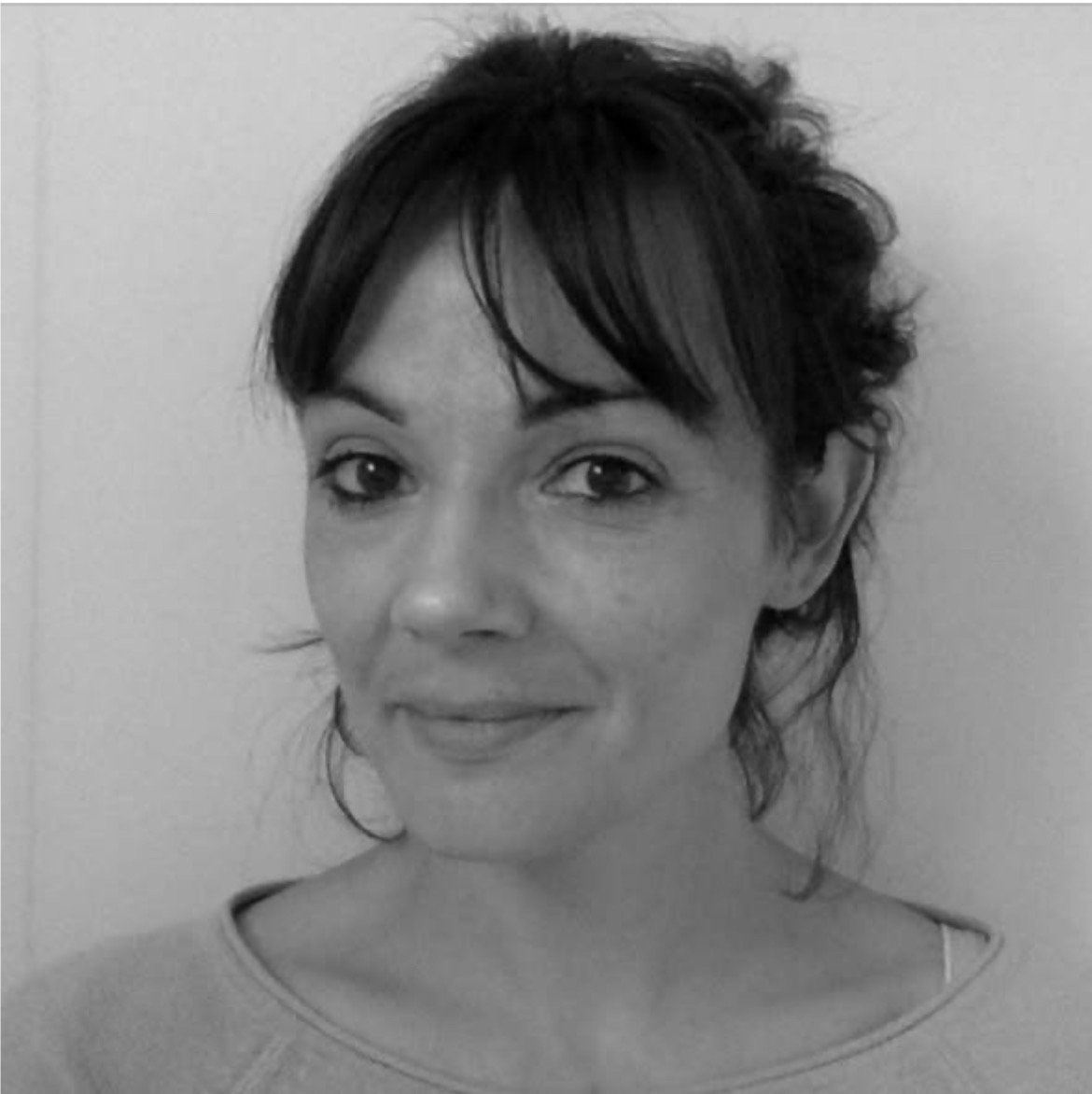
Andi Kerr Little, psychotherapist for expats in Denmark
Qualifications BSc Psychology · MSc Applied Behaviour Sciences
Native English speaker Scottish. I understand your cultural world.
10 years in Oslo Lived expat experience in Norway
In-person & Zoom Oslo · All of Scandinavia online

I work online with English-speaking expats across Denmark. Most of my clients are in Copenhagen, but I also see people in Aarhus, Odense, Aalborg, and smaller towns where English-speaking therapy is harder to find.

I'm Scottish. I've lived in Oslo for over ten years. I understand what it's like to live as a foreigner in Scandinavia, to navigate cultural differences, to feel isolated even when you're surrounded by people. I know the particular loneliness of expat life and the identity confusion that comes with it.

Sessions are 50 minutes, via Zoom. We meet at the same time each week. The work is integrative, which means I draw on different approaches depending on what you need. Sometimes we focus on present-day patterns, sometimes we look at history, sometimes we work somatically. It's not about forcing you into a method. It's about meeting you where you are.

You don't have to explain what it's like to live far from home when you're speaking to someone who's doing it too.

Why English-speaking therapy matters when you're living in Denmark

When you're living in a foreign country, language isn't just practical. It's emotional. You might speak Danish well enough to get by at work or in shops, but therapy is different. Therapy requires nuance. It requires you to access feelings and memories that don't always have words, even in your first language. Trying to do that in a second language adds a layer of effort that gets in the way of the work.

I'm a native English speaker. You won't be translating your thoughts or searching for words while you're trying to process something difficult. That matters more than people realize. It means you can speak quickly, colloquially, emotionally. You can be yourself without code-switching. That's part of what makes the work effective.

I also understand the expat experience, not as an observer but as someone living it. I know what it's like to feel competent in your home country and suddenly feel uncertain in a new one. I know the subtle alienation of never quite fitting in, the loneliness of not having a shared history with anyone, the exhaustion of always being slightly outside the social circle. When you're working with someone who understands that context, you don't have to explain it. We can go deeper, faster.

What it's like to work with me online

Sessions are via Zoom. You can be anywhere in Denmark, in your home, your office, your car if that's the only private space you have. I send you a link. You click it at the agreed time. We meet face-to-face on screen. It's simple, private, and surprisingly intimate.

A lot of people worry that online therapy won't feel as connected as in-person. I understand that concern. But in practice, most clients find the opposite. You're in your own space, which makes it easier to relax. There's no travel time, no sitting in a waiting room, no logistical stress. You just show up. And because you're at home, you can process what comes up without having to get on a bus or walk through the city.

The work itself is the same as in-person therapy. We talk about what's difficult, we look at patterns, we explore what's underneath the surface. Sometimes that's uncomfortable. Sometimes it's clarifying. Most of the time, it's both. My job is to create a space where you feel safe enough to go there, and skilled enough to help you make sense of what you find.

Common reasons expats in Denmark come to therapy

The most common thing I hear is some version of "I thought I'd be happier by now." People move to Denmark with a plan, with excitement, with a sense of possibility. And then reality is harder than they expected. The loneliness is worse. The cultural adjustment is more disorienting. The relationship strain is more serious. And they feel like they're failing because they're not coping better.

You're not failing. Moving countries is hard. It disrupts everything. Your social network, your sense of identity, your daily rhythms, your competence in the world. Even if the move was your choice, even if you're doing well professionally, the emotional cost is real. And if you're also dealing with past trauma, unresolved grief, or pre-existing anxiety, it all gets magnified.

I work with people who are:

These are real struggles. They're not signs of weakness. They're signs that you're trying to adapt to something difficult, and you need support to do it.

Understanding expat therapy in Denmark

A few things that might help you decide if this is the right fit.

Why is it hard to find therapy that genuinely understands English-speaking expat life in Denmark?

Most therapists in Denmark are Danish. They understand the local system, but they don't always understand the expat experience. They might assume that if you speak Danish and have a job, you're fine. They might not realize how isolating it is to never feel fully understood, or how exhausting it is to code-switch constantly. English-speaking therapists are available, but not all of them have lived abroad themselves. The difference is significant. When your therapist has lived the experience, you don't have to translate it. That saves time and creates a different level of trust.

What is unique about the expat experience in Denmark?

Denmark is often rated as one of the happiest countries in the world, which can make it harder to admit when you're struggling. There's a perception that everything should be easier here. The work-life balance, the social safety net, the quality of life. And in some ways, it is. But that doesn't mean it's easy to build a life from scratch. Danish social culture can feel quite closed, especially if you're trying to make friends outside work. The language barrier is real, even if you speak English fluently, because Danish society functions largely in Danish. And the long, dark winters affect people more than they expect. These things compound when you're already adjusting to a new life.

How does Danish culture affect English-speaking expats?

Danish culture values directness, equality, and a kind of understated reserve. That can feel refreshing if you're coming from a more hierarchical or emotionally expressive culture, or it can feel cold and exclusionary. Social relationships often form in childhood and are maintained over decades, which makes it difficult for expats to break in. There's also a concept called "hygge" that's lovely in theory, but in practice often happens in private homes with close friends, which means expats are frequently left out. None of this is intentional, but it creates a sense of being perpetually outside the circle. That affects your sense of belonging and your mental health over time.

What mental health challenges come up most for expats in Copenhagen?

Loneliness is the big one. Even in a city as international as Copenhagen, it's hard to build deep connections. People also struggle with identity confusion, not knowing who they are outside their home culture. Relationship strain is common, especially if both partners are stressed and have no external support. Parents worry about whether their children are okay, whether they're making the right decisions, whether they're failing. High achievers burn out because they're working harder to prove themselves in an unfamiliar system. Anxiety gets worse when you're isolated. Depression shows up as low energy, disconnection, a sense of just going through the motions. These things overlap and feed each other.

Is online therapy as effective as in-person for expat clients in Denmark?

Yes. Research consistently shows that online therapy is as effective as in-person therapy for most issues. The things that make therapy work, connection, safety, skilled intervention, are just as present online as they are in a room. In some ways, online therapy is better for expats. You don't have to travel, which means you're less likely to skip sessions. You're in your own space, which can make it easier to relax and be vulnerable. And you have more flexibility, which matters if you're juggling work demands or parenting responsibilities. The medium doesn't weaken the work. What matters is the relationship, and that translates just fine through a screen.

How does being an expat in Denmark affect parenting, relationships, and identity?

Parenting abroad is hard. You're doing it without extended family, without the informal support network you'd have at home. You're making decisions about language, schooling, and cultural identity that feel bigger and more permanent than they would if you were raising your kids where you grew up. Relationships suffer because both partners are stressed, isolated, and often relying on each other for emotional support in a way that's not sustainable. Identity gets complicated because you're no longer surrounded by the cultural cues that used to define you. You're not Danish, but you're not fully who you were before either. That in-between space is disorienting, and it takes time to make sense of it.

What should I look for when choosing an online therapist as an expat in Denmark?

Look for someone who understands the expat experience, not just theoretically but from lived experience. Look for someone who's a native English speaker, so you don't have to code-switch or translate your thoughts. Look for someone with proper training and credentials. Look for someone whose approach feels like a good fit. Some therapists are more directive, some are more exploratory, some focus on present-day patterns, some look at history. None of those is better or worse, they're just different. You need to find someone whose style makes sense for you. And most importantly, look for someone you feel comfortable with. Therapy only works if you feel safe enough to be honest. That's more important than any method or credential.

What people say about working with me

I'd been in Copenhagen for two years and still felt like I was watching my life happen instead of living it. Andi understood that immediately. She didn't try to fix me or tell me I should be grateful for the opportunity. She just helped me make sense of what I was feeling. I don't think I'd still be here if I hadn't started working with her.

LM
Lauren M.
Expat therapy, Copenhagen

Honestly wasn't sure online therapy would work for me. Felt too detached. But within the first session I realized it didn't matter. Andi's fully present, she picks up on things I don't even say out loud, and I feel more understood talking to her from my kitchen table than I ever did sitting in an office back home. Plus I can cry without worrying about walking past people in a waiting room after. That helps.

JT
James T.
Individual therapy, Aarhus

What I appreciate most is that she doesn't make assumptions. She asks real questions and actually listens to the answers. I've had therapists before who seemed to have a script they were following. This is different. We talk about the things I need to talk about, at the pace that makes sense for me. And she understands what it's like to be foreign here, which means I don't waste time explaining context. We just get to the work.

SC
Sarah C.
Expat therapy, Copenhagen
Andi Kerr Little
About Andi

I'm a Scottish psychotherapist living in Oslo

I've been in private practice for ten years, working primarily with English-speaking expats across Scandinavia. I trained in integrative psychotherapy, which means I pull from different approaches depending on what each person needs. I'm also trained in Compassionate Inquiry with Dr. Gabor Mate, and in the Safe and Sound Protocol for nervous system regulation.

I moved to Norway in 2013. I know what it's like to feel foreign, to build a life far from home, to navigate cultural differences and long dark winters. That lived experience is part of what I bring to the work. I'm not just offering you a method. I'm offering you someone who understands what you're going through because I've lived it too.

BSc Psychology
Masters in Applied Behaviour Sciences
Integrative Psychotherapy (integrativ-terapi.no)
Compassionate Inquiry (Dr. Gabor Mate)
Safe and Sound Protocol (Unyte)
More About Me

Common questions about online therapy from Denmark

Zoom therapy works just like in-person sessions, only you're in your own space. We meet at the same scheduled time each week, and I see you face-to-face through your screen. You can use a laptop, tablet, or phone. I send a private Zoom link before your first session. You click it at the agreed time, and we're connected. Most clients find it more convenient than traveling to an office, especially if you're in a smaller Danish city or working long hours in Copenhagen. The therapy itself is exactly the same, the space between us feels surprisingly close, and many people say they feel more relaxed speaking from their own home. I've worked with clients across Denmark for years this way. It's private, effective, and flexible.

Yes. I work with English-speaking clients across all of Denmark via Zoom. That includes Copenhagen, Aarhus, Odense, Aalborg, Esbjerg, and anywhere else. If you're living in Denmark and you're more comfortable speaking English, I'm available to you. Most of my expat clients are in Copenhagen, but I also work with people in smaller towns, international company towns, and rural areas where English-speaking services are harder to find. The location doesn't matter. What matters is that you have a private space, a stable internet connection, and the ability to speak freely in your first language. I understand what it's like to live as a foreigner in Scandinavia. I've been doing it for over a decade. That experience is part of what I bring to the work, no matter where in Denmark you are.

The most common things I see are loneliness, identity confusion, relationship strain, and a kind of low-grade grief that people don't always name. A lot of expats feel like they should be grateful and excited, so they don't give themselves permission to feel lost or sad. But moving countries is hard. You lose your social network, your sense of competence, sometimes your career identity. You might feel invisible in social settings or disconnected from your partner because you're both stressed. Some people describe feeling like they're performing all the time, code-switching constantly, never fully themselves. Parents worry they're failing their kids. High achievers burn out because they're trying to prove themselves in a new system. I also work with people processing past trauma that resurfaces when they're far from home, and people struggling with substance use or anxiety that gets worse in isolation. These are real, hard things. You're not failing. You're adjusting to something difficult.

Because I understand what you're going through, not as theory but as lived experience. I'm not Danish. I'm Scottish. I've lived in Oslo for over ten years. I know what it's like to feel foreign, to navigate a Scandinavian culture that can feel polite but distant, to struggle with language barriers and bureaucracy and the subtle alienation of never quite fitting in. I also understand the difference between being an expat in theory and being one in practice. When you're working with someone who's lived this, you don't have to explain the context. You don't have to translate your experience into something a local therapist might understand. I get it already. That saves time and creates safety. The fact that I'm based in Oslo and you're in Denmark doesn't matter. We meet online. What matters is that I speak your language, I understand your situation, and I've been trained to help you work through it. Location is irrelevant when the connection is real.

I understand the broader experience of living as an English speaker in Scandinavia, and much of that translates directly to Denmark. I know what it's like to live in a culture that values flat hierarchies, consensus, and a kind of reserved politeness that can feel like a wall. I know what it's like to feel competent in your home country and suddenly feel clumsy and unsure in a new system. I know the loneliness of not having a history with anyone, the exhaustion of code-switching, the identity confusion that comes when you're no longer sure who you are or where you belong. While I'm based in Norway, I work with expats across Denmark regularly. Many of the cultural dynamics are similar. The language barrier, the sense of exclusion, the difficulty forming friendships, the feeling that you're always slightly outside the circle. I also know that Denmark has its own specifics, and I'm always interested in hearing your experience. I don't assume I know your story. But I do know the shape of expat struggle, and I can meet you there.

The first session is 50 minutes, same as all sessions. I'll send you a Zoom link a day or two before. You click it at the agreed time, and we're connected. I'll start by asking what brought you to therapy and what you're hoping to get out of it. I'll ask about your current situation, your history, and what's been difficult lately. I'm listening for patterns, for what's underneath the surface, for what might need attention. You can share as much or as little as feels right. There's no pressure to perform or impress me. I'm not here to judge you. I'm here to understand you. By the end of the session, we'll have a sense of whether this feels like a good fit and what we might focus on going forward. If it feels right, we'll schedule regular sessions. If it doesn't, that's fine too. The first session is as much for you to assess me as it is for me to assess the work. You should feel safe, heard, and understood. If you don't, it's not the right fit.

I charge NOK 1200 per 50-minute session. That's roughly 100 euros or 750 Danish kroner, depending on the exchange rate. Payment is handled after each session via bank transfer or online invoice. I don't take insurance, so this is a private pay arrangement. I know that's a significant amount, especially if you're paying in Danish kroner and managing expat finances. I do offer a limited number of reduced-fee slots for clients who need them, though those fill quickly. If cost is a barrier, mention it when you book your free consultation and we can discuss options. I also work on a session-by-session basis, so there's no long-term contract or upfront commitment. You're not locked into anything. Some clients come weekly, some fortnightly, some monthly. We figure out what works for you. The priority is that the work is accessible and that you feel it's worth the investment.

The easiest way is to book a free 20-minute consultation first. You can do that through the contact form on this site or by emailing me directly at Andikerrlittle@gmail.com. In that short call, we'll talk about what you're looking for, I'll explain how I work, and we'll see if it feels like a good fit. If it does, we'll schedule your first full session. I'll send you a Zoom link and a reminder email a day or two before. If you'd prefer to skip the consultation and book a full session directly, that's fine too. Just let me know in your message. I respond to inquiries within 24 hours, usually sooner. I know reaching out can feel vulnerable. I try to make the process as simple and clear as possible. There's no sales pitch, no pressure, no complicated intake forms. Just a straightforward conversation about whether I can help you and what that might look like.

Other ways I can help

Ready to start?

Book a free 20-minute consultation to see if we're a good fit. No pressure, no sales pitch. Just a conversation.

Book Free Consultation +47 906 02 994