Life Transitions Therapy

Therapy for Life Transitions, in Oslo, in English

Major life transitions dismantle more than circumstances. They disturb identity, destabilise the patterns through which we understood ourselves, and create a kind of psychological weather that is difficult to name. The work here is to understand what is shifting, not to force resolution before it is ready.

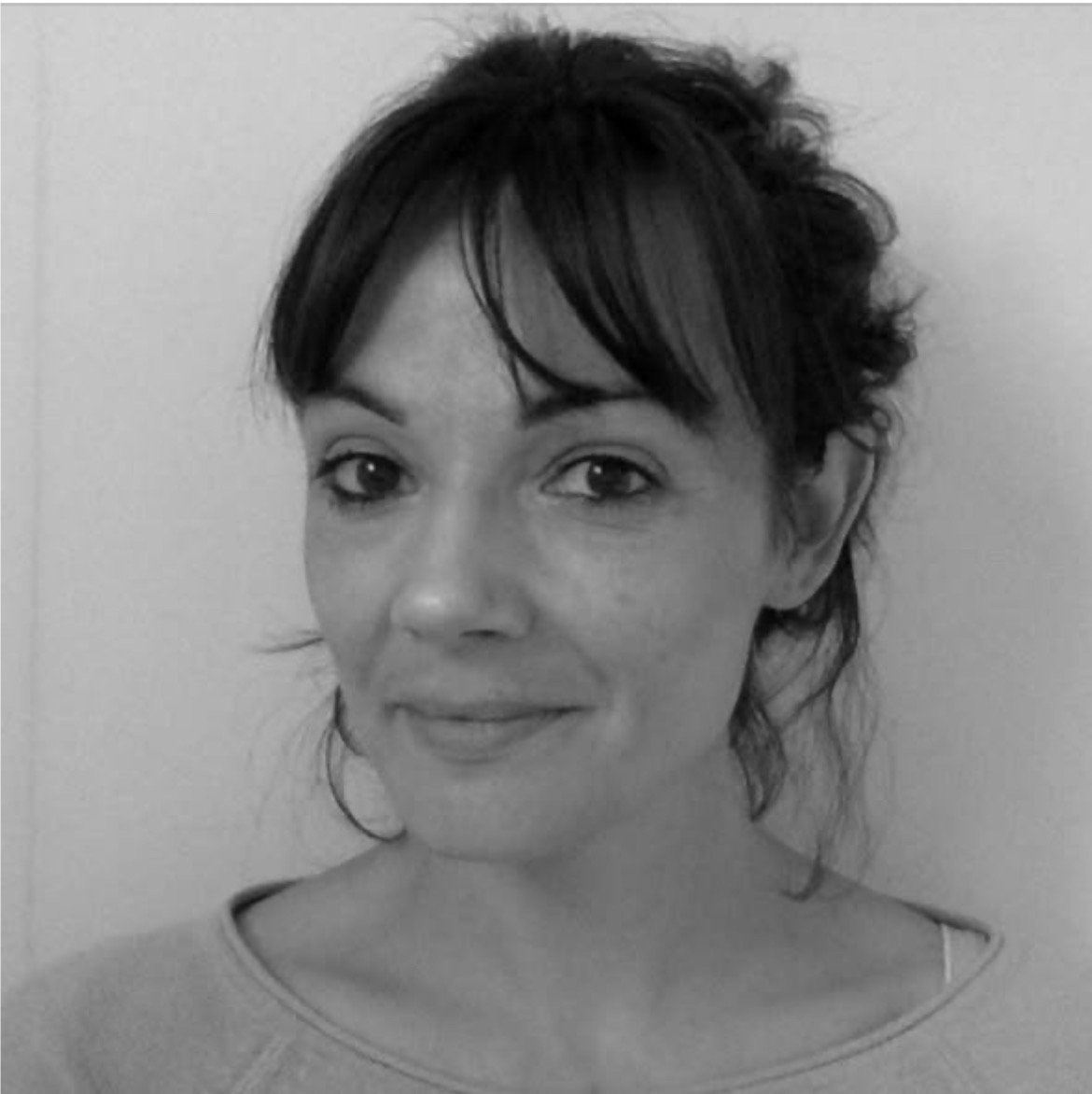
Andi Kerr Little, Psychotherapist in Oslo
Qualifications BSc Psychology · MSc Applied Behaviour Sciences
Native English speaker Scottish. I understand your cultural world.
10 years in Oslo Lived expat experience in Norway
In-person & Zoom Oslo · All of Scandinavia online

Life Transitions as Psychological Events

Life transitions are not simply external changes requiring practical adjustment. They are internal disruptions. When the structures through which we understood ourselves shift, when the patterns that organised identity fall away, what remains is not always clear. The difficulty is rarely just about managing new circumstances. It is about standing in the gap between who you were and who you are becoming, without yet knowing what that will look like.

In my experience working with people through major transitions, I notice how often the difficulty is dismissed. Moving countries, changing careers, ending relationships, becoming a parent, retiring from professional life, these are presented as events to be managed efficiently. There is a cultural expectation that adjustment should be swift, that resilience means getting on with things without naming the cost. In practice, meaningful transitions are slow. They dismantle assumptions about who you are, where you belong, what matters. The internal work of rebuilding those things is rarely visible from the outside.

What complicates transitions further is that they are often multiple. The relocation that looked like a single event reveals itself to be a cascade of smaller losses. The career change disrupts professional identity but also social networks, daily structure, the way you measure worth. The relationship ending shifts not just your living arrangements but your understanding of yourself in relation to others. Transitions overlap, echo back, re-open old questions. The timeframe is unpredictable. The process is not linear.

There is also the question of grief, even in transitions that are chosen or positive. The loss of what was, even when what was no longer worked, requires acknowledgment. The difficulty of holding both relief and mourning at the same time is not widely discussed. People expect clarity. What I observe in sessions is more often a kind of disorientation. The ground is unfamiliar. The old coordinates no longer apply. Learning to navigate that uncertainty without forcing premature resolution is part of the work.
What Actually Happens in Sessions

Life transitions work is not about solving a problem. It is about understanding what is shifting beneath the surface, and what needs attention before anything else can reorganise.

In our sessions, we begin by naming what has changed. Not the external facts, which are usually clear, but the internal consequences. What has been lost, even if what was lost no longer worked. What assumptions about yourself no longer hold. What expectations, internal or external, are sitting on you. The work is descriptive at first. We are mapping territory that has become unfamiliar.

As the sessions progress, we pay attention to what has been disrupted at the level of identity. Who you understood yourself to be often relied on structures that are no longer there. A certain kind of role, a particular social world, a familiar relationship to time and purpose. When those disappear, identity itself becomes unstable. The question is not who you should become, but who you are when the old frameworks are gone. This is slower work. It requires sitting with uncertainty rather than rushing toward resolution.

What I have learned working with people through transitions is that the disruption is the work, not something to be overcome as quickly as possible.

The practical question of how long this takes depends on the complexity of what has shifted. Some transitions reveal themselves quickly. Others unfold in layers, each requiring its own attention. What I notice is that people often come to therapy when the transition has already happened, but the internal adjustment has stalled. Something is stuck. The old life is gone, but the new one has not yet taken shape. The work is to understand what is holding the process in place, and to allow the reorganisation to continue.

Andi Kerr Little
About Andi

I know what it feels like to rebuild a life in a new place

I am a Scottish psychotherapist. I moved to Oslo over ten years ago, which means I understand both the expat experience and the particular textures of life in Scandinavia. That matters when working with people navigating life transitions, because so much of the difficulty exists at the intersection of culture, identity and language. I know what it is to rebuild a professional life in a new country. I know the exhaustion of navigating systems designed for someone else. I understand the particular loneliness of being surrounded by people whose reference points are not yours.

My clinical training is in integrative psychotherapy, Compassionate Inquiry with Dr. Gabor Maté, and the Safe and Sound Protocol through Unyte. I have been in private practice for ten years. My work is informed by an understanding of how identity is constructed, how it shifts under pressure, and what is required to allow that process to continue without collapsing into either rigidity or disintegration. I work with people in English, which means we can speak precisely about experiences that are difficult to name in a second language.

Sessions are 50 minutes. I offer in-person appointments at my practice in Oslo, two minutes from Aker Brygge, or via Zoom for anyone living elsewhere in Scandinavia. I also offer a free 20-minute consultation before we begin, so you can decide whether this feels like the right approach for what you are navigating now.

BSc Psychology, MSc Applied Behaviour Sciences
Trained in Integrative Psychotherapy, Compassionate Inquiry, Safe and Sound Protocol
10 years in private practice in Oslo
More about my approach

What to Know About Life Transitions

Understanding what is normal during major life transitions, and when difficulty crosses into something that needs support.

Why do major life transitions cause psychological difficulty even when they're positive?

Because transitions disrupt identity, not just circumstances. Even chosen changes remove the structures through which we understood ourselves. The difficulty is not ingratitude or weakness. It is the human cost of rebuilding internal frameworks while managing external demands.

What is the psychology of relocating to a new country?

Relocation dismantles multiple layers at once. Language, social networks, professional identity, cultural assumptions, daily routines. What appears to be practical adjustment is actually identity reconstruction. The exhaustion is cognitive and emotional, not just logistical. Full adjustment can take years, not months.

How does identity shift during major life transitions?

Identity relies on external structures more than we usually acknowledge. When those structures change, the question of who you are becomes genuinely unstable. The process of reorganisation is not smooth. It involves periods of disorientation, contradiction, and uncertainty before new patterns emerge.

What is the difference between normal adjustment difficulty and something that needs support?

Normal adjustment involves difficulty that shifts over time. What needs support is difficulty that has become stuck. Signs include: chronic exhaustion, persistent disorientation, inability to access your own thinking, withdrawal from previously meaningful activities, or the feeling that the transition happened months ago but internally nothing has moved.

How does grief show up in life transitions, even happy ones?

Every transition involves loss, even when the change is wanted. Loss of the familiar, loss of who you were in the old context, loss of certainty. Grief does not always look like sadness. It can present as exhaustion, irritability, numbness, or a sense of being disconnected from what should feel meaningful.

How do life transitions affect relationships and family dynamics?

Transitions shift everyone in a relational system, not just the person at the centre. Partners experience the transition differently. Children respond to instability in unpredictable ways. Friendships that relied on proximity or shared context may not survive geographical or identity shifts. Relationships require renegotiation during transitions, not just continuation.

When should I seek therapy rather than just waiting for things to settle?

When the transition has stalled. When you feel stuck in a way that is not shifting with time. When exhaustion has become chronic. When you can no longer access your own thinking clearly. When relationships are deteriorating under the pressure. When the gap between how things look from the outside and how they feel on the inside has become unbearable.

What People Say

From people who came to therapy during major life transitions.

I came to Andi six months after moving to Norway for work. On paper everything was fine, but I could not shake this heavy feeling of being nowhere. She helped me see that what I was experiencing was not failure to adjust, it was the actual process of adjustment. That distinction was unexpectedly important. The sessions gave me somewhere to speak about what was happening without having to justify why it was difficult. I still live here, but I understand now what it costs.

JM
J.M., Oslo
Life Transitions · Career Change

The relocation happened two years ago but I only started therapy last spring. What Andi explained was that the internal work of adjusting does not follow the same timeline as the practical work. I had been waiting to feel settled, and it wasn't happening. Working with her, I began to understand why. The identity disruption was bigger than I had acknowledged. Being able to name that in English, with someone who understood both where I came from and where I had landed, made the work possible.

RL
R.L., Greater Oslo
Relocation · Expat Life

After my marriage ended I moved back to Oslo from the UK. Everyone kept telling me it was a fresh start, which was meant to be encouraging but felt like pressure. Andi did not do that. She let me talk about what had been lost without rushing to what came next. The grief was complicated because the relationship needed to end, but that did not make the ending easy. What helped most was her patience with the mess of it. Therapy did not fix anything quickly, but it gave me a place to let the process happen at its own pace.

KH
K.H., Oslo
Relationship Ending · Relocation

Let's Talk About What You're Navigating

A 20-minute conversation to see whether therapy is the right response to what is happening now. No obligation.

Common Questions About Life Transitions Therapy

I work with people navigating major structural changes in their lives. The most common transitions I see in my practice are international relocation, career shifts, relationship endings, becoming a parent, children leaving home, retirement and identity shifts following significant life events. What makes a transition worth bringing to therapy is not whether it looks serious from the outside, but whether it has disrupted your sense of who you are. Some transitions are imposed, others are chosen. Both can be deeply disorienting.

Relocation dismantles almost everything at once. Not just the practical structures of daily life, but also the invisible frameworks through which we understand ourselves. Language, culture, social expectations, professional identity, even the textures of daily interaction all shift. You are not simply learning new routines. You are rebuilding the assumptions that used to hold your sense of self in place. The exhaustion of this is rarely acknowledged in ordinary conversation. People expect you to be settled in a matter of months. In reality, meaningful adjustment can take years. Part of the difficulty is that there is no single moment of resolution. The work happens in layers, over time.

Yes. All my sessions are conducted in English. I am a native English speaker from Scotland, and all of my professional training was completed in English. This matters particularly when working with life transitions because so much of the difficulty exists in language. Being able to describe precisely what has shifted, what feels unfamiliar, and what no longer makes sense requires working in your first language. Cultural reference points also matter. If your life transition involves moving from an English-speaking country to Scandinavia, I understand both the culture you came from and the one you are navigating now.

Yes. I offer sessions both in person in Oslo and via Zoom for anyone living elsewhere in Scandinavia. Video sessions work well for life transitions work because much of the process is verbal and reflective. If you are still in the middle of a relocation or living outside Oslo, Zoom means you can begin or continue therapy without waiting until you are physically settled. Many people I work with choose Zoom because it is easier to manage within a disrupted schedule, or because they prefer to be at home during a period when home itself feels uncertain.

This is therapy. Life transitions work is not about setting goals, building skills or developing strategies. It is about understanding what is happening to you psychologically during a period of structural change. That requires attention to feelings that may not be immediately intelligible, to patterns of thinking that have been disrupted, and to the ways in which identity itself can become unstable when external structures shift. Coaching addresses practical problems. Therapy addresses psychological complexity. The difference is that therapy allows space for things that are difficult, contradictory, unresolved or simply unclear.

That depends on the nature of the transition and how deeply it has affected your internal life. Some people come for short-term work during an acute period of adjustment, perhaps six to twelve sessions. Others stay longer, working through layers of identity change that unfold over time. Life transitions are not fixed events with clear endpoints. What looked like one transition often reveals itself to be several. The process of adjustment is not linear. Sessions run for 50 minutes, usually weekly at the beginning. Frequency and duration are reviewed as the work develops.

Individual therapy sessions are NOK 1,200 for 50 minutes. I offer a free 20-minute consultation by phone or Zoom before we begin, so you can decide whether the approach feels right. Payment is taken after each session. I do not currently work with insurance providers, so fees are paid privately. If cost is a barrier to beginning work, mention that during the consultation and we can discuss options. The focus in that first conversation is whether this is the right kind of support for what you are navigating now.

Start with a free 20-minute consultation. You can book that through the form on this page, or contact me directly by phone at +47 906 02 994 or email at Andikerrlittle@gmail.com. The consultation is a brief conversation to talk through what is happening for you and whether therapy feels like the right response. If we decide to work together, we will arrange a first full session. There is no obligation following the consultation. The purpose is simply to meet and see whether the fit is right.

Other Areas I Work With

Life transitions often overlap with other psychological difficulties. These are common patterns I see in practice.

Let's Talk About What You're Going Through

I offer a free 20-minute consultation to discuss whether therapy might be helpful for what you are navigating now. No obligation, just a conversation.

Book a free consultation +47 906 02 994