Grief & Loss

Therapy for Grief & Loss in Oslo, in English

Grief has a way of arriving when it is least convenient, and staying longer than feels manageable. There is often an expectation that it should follow some kind of arc, but in practice it tends to move in circles, reappearing when the immediate crisis has passed.

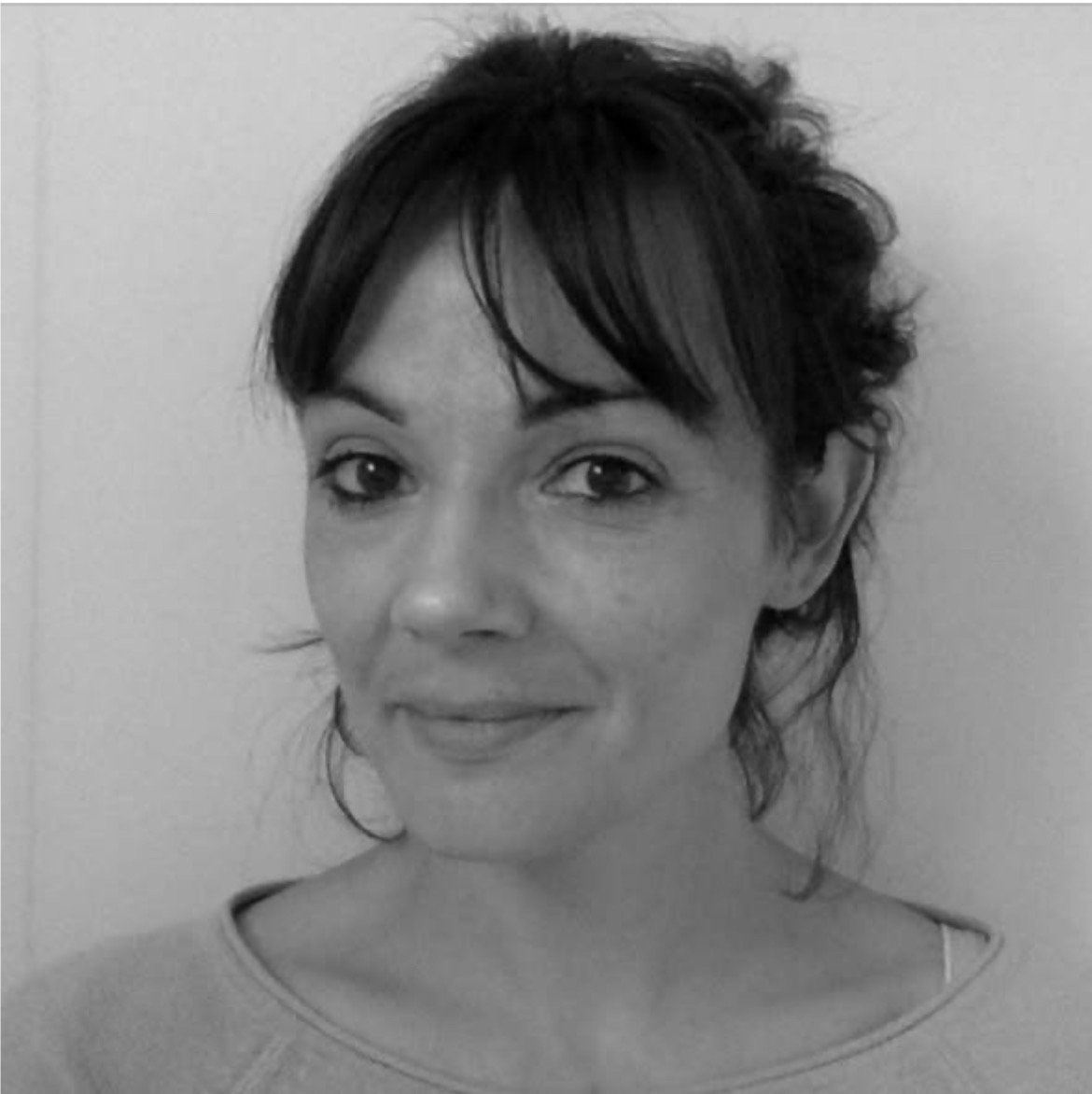
Andi Kerr Little, psychotherapist in Oslo
Qualifications BSc Psychology · MSc Applied Behaviour Sciences
Native English speaker Scottish. I understand your cultural world.
10 years in Oslo Lived expat experience in Norway
In-person & Zoom Oslo · All of Scandinavia online

Grief does not arrive on schedule

Grief is the response to loss. It can follow bereavement, the end of a relationship, the loss of a life imagined, or the accumulated small losses that come with living far from home. What makes grief complicated is that it refuses to follow the shape people expect it to. It can be delayed, arriving months after the event. It can be cyclical, seeming to resolve and then returning without warning. It can attach itself to things that feel unrelated, or it can go quiet in ways that feel almost suspicious.

People often describe grief as heavy, but that is only one texture. It can also be restless, irritable, numb. It can make concentration difficult. It can show up as anger, or guilt, or a kind of flatness where emotional responses used to be. It can coexist with relief, particularly if the loss followed a difficult period, and that relief can feel deeply uncomfortable to acknowledge. Grief can also be isolating, not because support is absent, but because the experience of it is internal and not easily shared.

For people living far from home, grief has an additional layer. The rituals that help process loss are often tied to place and community. When those are not available, or when the logistics of distance make participation in them difficult, the loss itself can feel unwitnessed. There is also the grief that comes from living away from family during significant life events, or from raising children who will not know their grandparents in the way you did. That kind of grief is often unnamed, which can make it harder to address.

Grief does not need fixing. It is not pathological unless it becomes stuck in a way that prevents living. What therapy offers is space to let it exist without needing to manage how other people respond to it.

What happens in the work

Grief therapy is not about accelerating the process or finding closure. It is about creating conditions where the loss can be held without it overwhelming everything else.

In sessions, we pay attention to how the grief is moving through your life. Where it shows up. Where it gets avoided. Whether there are parts of it that have not been given space because they feel too difficult, too contradictory, or too socially unacceptable to name. We also look at the context around the loss. What was happening before it occurred. What other stresses were present. Whether there are unresolved aspects of the relationship or situation that are complicating the grieving process.

I work at the pace you need. Some people arrive wanting to talk immediately about what happened. Others need time to build trust before they can approach it directly. Grief therapy is not structured around tasks or stages. It follows what emerges in the room. If talking feels impossible, we find other ways to be with it. If you need to revisit the same territory multiple times, that is expected. Grief does not resolve in a linear way, and the therapy reflects that.

Grief is not a problem I try to solve, it is something we learn to carry without it determining the whole shape of your life.

What changes over time is not that the grief disappears, but that you develop a different relationship to it. It becomes something you can live alongside, rather than something that makes living feel impossible. Sessions are 50 minutes, available in person in Oslo or via Zoom. We begin with a free 20-minute consultation to talk through what is happening and whether this feels like the right approach.

Andi Kerr Little
About Andi

I have been working in Oslo for over ten years

I am originally from Scotland. I moved to Norway in 2012 and have been in private practice here since 2014. I trained in integrative psychotherapy, which means I draw from multiple approaches depending on what the person in front of me needs. I also work with Compassionate Inquiry, a method developed by Dr. Gabor Maté that focuses on understanding the relational and developmental roots of emotional pain, and I am trained in the Safe and Sound Protocol, a nervous system intervention that can be useful for people whose grief has a strong somatic component.

I specialise in working with English-speaking expats across Scandinavia. I understand the particular challenges of living far from home because I have lived them. The disorientation of raising children in a culture that is not your own. The quiet accumulation of losses that do not get named because they are not dramatic enough to warrant attention. The difficulty of accessing therapy in a language that is not your first when you are trying to process something as personal as grief.

My practice is at Ruseløkkveien 59 in Oslo, two minutes from Aker Brygge. I also work with clients across Norway, Sweden, and Denmark via Zoom. Sessions are 50 minutes, and I offer a free 20-minute consultation if you want to talk through whether this is the right fit before committing to an initial session.

BSc Psychology, Masters in Applied Behaviour Sciences
Integrative Psychotherapy · Compassionate Inquiry · Safe and Sound Protocol
10 years in private practice in Oslo
More about my approach

What to Know About Grief & Loss

What is grief and why does it affect people so differently?

Grief is the psychological and emotional response to loss. It can follow the death of someone close, but also relationship endings, miscarriage, job loss, or the loss of a future that was expected. People experience it differently because grief is shaped by the nature of the loss, the relationship to what was lost, the presence or absence of support, and prior experiences with loss. There is no universal grief response, which is why prescriptive models of stages or timelines are often unhelpful.

What is disenfranchised grief — the kind that is not socially acknowledged?

Disenfranchised grief refers to losses that are not recognised or validated by the social environment. This can include the death of an ex-partner, a miscarriage, the end of a friendship, the loss of a pet, or grief related to infertility. For expats, it can also include the ongoing low-level grief of living far from home. When grief is disenfranchised, people often feel they do not have permission to mourn, which can complicate the process significantly.

What does it mean to grieve when you are far from home and your support network?

Distance from home can intensify grief in several ways. Rituals that help process loss, such as funerals or memorial gatherings, may be inaccessible. The people who knew the person or situation best may not be nearby. Time zones and logistics can make it difficult to stay connected to family during the acute phase of loss. There is also the added layer of grieving in a cultural context that may have different norms around mourning, which can feel alienating.

How does living as an expat change the experience of loss?

Living as an expat often involves cumulative losses that are not always recognised as such. The loss of proximity to family. The loss of ease and familiarity. The loss of cultural reference points. When a significant loss occurs on top of that foundation, it can feel disproportionately destabilising. Expat life also means that the support structures typically relied on during grief, such as close friends, extended family, or a shared cultural understanding of mourning, may not be present in the same way.

Is there a right or wrong way to grieve?

No. Grief does not follow a script. Some people need to talk about the loss repeatedly. Others need to retreat. Some find rituals helpful. Others do not. Some people continue functioning at a high level while grieving. Others cannot. The expectation that grief should look a certain way, or that there is a timeline it should follow, often creates additional distress. What matters is whether the way you are grieving is allowing you to continue living, or whether it is becoming stuck in a way that feels unmanageable.

When does grief become something that therapy can genuinely help with?

Therapy can be useful at any point in the grieving process, but it becomes particularly relevant when grief is complicated by other factors. This can include unresolved relational issues with the person who died, guilt or anger that feels overwhelming, the absence of social support, or grief that is disenfranchised and therefore difficult to process. Therapy is also helpful when grief is affecting functioning in ways that feel unmanageable, or when it is reactivating older losses or traumas that were never fully processed.

What should I look for in a therapist for grief?

Look for someone who does not impose a timeline or model on your grief. Someone who can sit with discomfort without needing to resolve it too quickly. Someone who understands that grief can coexist with other emotions, including relief, anger, or ambivalence. If you are an expat, it can be particularly important to work with someone who understands the cultural and practical dimensions of living far from home, and who can work in your first language so that you do not have to translate what is already difficult to put into words.

What people say about working with Andi

I came to therapy after my father died. I had been back and forth to the UK multiple times, missing work, and then just sitting in my flat in Oslo not really able to process what had happened. Andi did not rush me through it. She let me talk about the same things over and over when I needed to, and she also knew when to push gently on the parts I was avoiding. What helped most was that she understood the distance aspect without me having to explain it.

JM
J.M., Oslo
Grief therapy

My grief was not from someone dying, it was from a miscarriage and then the whole awful realisation that having children might not happen the way I thought it would. I felt ridiculous being so broken about it, especially because people around me did not really get why I was still struggling months later. Andi took it seriously in a way that felt like relief. She has this very calm, unsentimental way of working that suited me.

EH
E.H., Bergen (via Zoom)
Loss and grief

I was grieving my mother and also the version of my life I had thought I would have by now. Both felt tangled together. Working with Andi helped me separate what was current grief and what was older disappointment that had just been waiting for a chance to surface. She is Scottish, I am English, and that shared reference point mattered more than I expected it to. I could say things without needing to explain the cultural backdrop.

RC
R.C., Oslo
Bereavement therapy

Book a free consultation

20 minutes to talk through what is happening and whether this feels like the right approach. No obligation to continue.

FAQ

I work with all kinds of loss, not just bereavement. That includes the death of someone close, but also relationship endings, miscarriage, the loss of a life or future that was expected, the disorientation that comes with major life changes, and what I call cumulative or disenfranchised grief — the kind that is not always socially recognised. For expats, there is often grief attached to distance from home, the loss of community, or raising children away from extended family. Grief can follow endings that were necessary or chosen, which complicates how it is processed. In our work, loss is taken seriously whatever its form.

Yes. I am a native English speaker from Scotland and I have been working in Oslo for over ten years. All sessions are conducted in English, and I specialise in working with expats and English-speaking clients across Scandinavia. The advantage of working in your first language when processing grief is that you can access the full emotional and linguistic range you need. There is no translation barrier, no searching for words when words already feel hard to find. Sessions are available in person in Oslo or via Zoom if you are elsewhere in Norway, Sweden, or Denmark.

There is no fixed timeline. Grief is not a condition that resolves on a schedule. Some people come for a few months during an acute phase of loss. Others continue for longer, particularly if the grief is complicated by trauma, unresolved relational issues, or the absence of support structures. I do not work with an expectation that grief therapy ends when you feel better. The work is about learning to carry what has happened in a way that allows you to continue living. How long that takes depends on what you are grieving, the context around it, and what other parts of your life need attention alongside the loss.

Yes, and it works well for many people. Sessions via Zoom allow you to be in your own space, which can feel safer during a vulnerable time. This is particularly useful for clients who are geographically isolated, living outside Oslo, or who find it easier to talk about difficult things from home. The therapeutic relationship develops in much the same way online as it does in person. That said, some people prefer the structure of in-person sessions, particularly if being in their own environment makes it harder to separate the session from the rest of their life. Both formats are available, and we can discuss what feels right for you.

Yes. Grief does not follow a predictable pattern, and it does not have a deadline. There is no correct amount of time to grieve. What often happens is that grief changes. It becomes less constant, less overwhelming, but it can still resurface at unexpected moments, sometimes years after the loss. Anniversaries, transitions, or even unrelated stressors can bring it back with surprising intensity. People also grieve things they did not initially recognise as losses, which can delay the process. If you are still grieving after what feels like a long time, that does not mean something is wrong. It may mean the loss was significant, or that you have not had the conditions you needed to process it fully.

Supportive conversations are valuable, but therapy does something different. In grief therapy, the focus is on creating space for whatever needs to emerge, without the social pressure to move on, stay positive, or reassure the other person that you are coping. Friends and family often need you to be okay. In therapy, you do not have to be. The work is also more structured. We pay attention to patterns, to what is being avoided, to how the grief is affecting other areas of life, and to the ways you might be managing it that are no longer working. Therapy is also consistent. Grief can be isolating, and knowing there is a regular, protected space to bring it can make a significant difference.

Sessions are 50 minutes long. Fees are confirmed at the time of booking and are the same whether you attend in person or via Zoom. Payment is taken per session, and I do not require long-term commitments. If cost is a concern, we can discuss this during the free consultation. I am not covered by the Norwegian public health system, so sessions are private pay. That said, some people find that working in English and having flexibility around location and timing makes private therapy more practical than waiting for public services or working in a second language.

You can book a free 20-minute consultation using the form on this page or by calling +47 906 02 994. The consultation gives us a chance to talk briefly about what is happening and whether this feels like the right fit. If we decide to work together, we will schedule your first full session from there. Sessions are available in person at my practice in Oslo or via Zoom if you are located elsewhere in Scandinavia. You do not need a referral, and there is no obligation to continue after the consultation if it does not feel right.

Other conditions I work with

Let's talk

If you are struggling with grief, or if you are not sure whether therapy would help, we can talk it through in a free 20-minute consultation. No obligation to continue.

Book a free call +47 906 02 994