ADHD THERAPY OSLO

Therapy for ADHD, in Oslo, in English

ADHD in adults often involves more than attention difficulties. There is the emotional intensity, the quick shift from calm to overwhelmed, the sense that everyone else received instructions you did not. Therapy works with the parts medication does not reach.

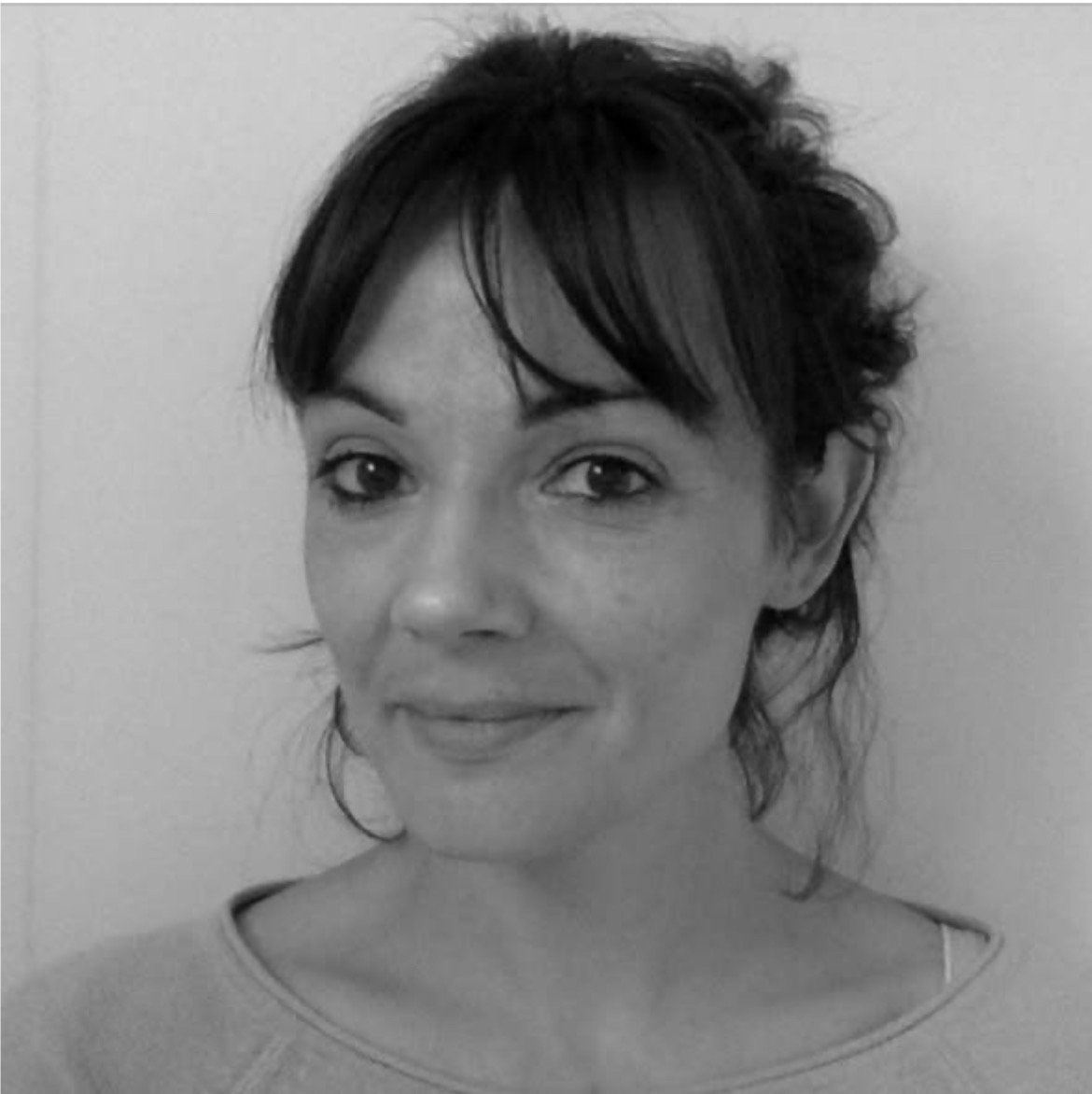
Andi Kerr Little, psychotherapist in Oslo
Qualifications BSc Psychology · MSc Applied Behaviour Sciences
Native English speaker Scottish. I understand your cultural world.
10 years in Oslo Lived expat experience in Norway
In-person & Zoom Oslo · All of Scandinavia online

The experience of ADHD

ADHD in adults often looks different than the stereotype suggests. It is less about hyperactivity and more about a nervous system that registers everything at high volume. Small frustrations feel outsized. Transitions between tasks feel effortful in a way that is difficult to explain to people who do not experience it. There is often a feeling of being slightly out of step with the world, as though everyone else was given a handbook you never received.

Emotional regulation is frequently the harder part. The sense of being flooded by feeling, the quick shift from calm to overwhelmed, the difficulty distinguishing between a minor setback and a catastrophe. Many people describe a pattern of taking criticism very personally, even when it was not intended that way. Rejection sensitive dysphoria is the clinical term for this heightened response to perceived rejection or failure, and it is one of the more difficult aspects of ADHD to live with.

There is also the relational dimension. ADHD can make it hard to follow conversations when someone is talking for too long, to remember what was said in a meeting yesterday, to regulate the impulse to interrupt when a thought arrives. These patterns create friction in relationships, not because of bad intent, but because the neurological wiring makes certain things genuinely harder. Over time, many people develop a sense of themselves as difficult or too much, particularly if they were undiagnosed for years.

For expats living in Oslo or elsewhere in Scandinavia, ADHD can become more pronounced. The demands of navigating a new culture, a second language, and unfamiliar social norms all require additional executive function. When your baseline cognitive load is already high, the added complexity of expat life can push you past the point where compensation strategies still work. That is often when people seek therapy, not because the ADHD is new, but because the environment has made it harder to manage.
What we work on together

ADHD therapy is not about fixing you or teaching you to focus better. It is about working with the emotional and relational patterns that sit underneath the attention difficulties.

In our sessions, we look at how ADHD has shaped the way you relate to yourself. Many people carry a narrative that they are lazy, unreliable, or fundamentally flawed in some way. That narrative often predates the diagnosis and persists even after medication has improved the practical aspects of daily life. Therapy is where we unpack that story. We look at where it came from, what function it serves, and whether it still fits the person you are now.

We also work with emotional dysregulation. This is not about learning to suppress your feelings or think more positively. It is about developing a different relationship with the intensity itself. What does it feel like in your body when you are flooded? What are the early signals that you are moving towards overwhelm? What is the difference between a feeling that needs to be acted on and a feeling that just needs space to move through you? These are slow questions, and the answers are individual. Therapy gives you the time and attention to work them out.

A lot of what I do with ADHD is help people distinguish between what is neurological and what is relational, so they can stop blaming themselves for patterns that were never about effort.

The relational work is often central. ADHD affects how people show up in relationships, how they communicate, how they regulate conflict, how they interpret feedback. Many people have developed patterns of anticipating rejection or withdrawing before they can be hurt. Therapy is where we look at those patterns without judgment, understand where they came from, and consider whether there might be other options now. The work is not fast, but it is steady, and over time people often find that their relationships feel less fraught and more genuinely connected.

Andi Kerr Little
ABOUT ANDI

I am a Scottish psychotherapist working in Oslo

I have been in private practice here for over 10 years. I trained in integrative psychotherapy, which means I draw from multiple approaches depending on what the person in front of me needs. I also trained in Compassionate Inquiry with Dr. Gabor Maté and the Safe and Sound Protocol, both of which inform how I work with emotional regulation and nervous system dysregulation.

I moved to Oslo from Scotland, so I understand the expat experience firsthand. I know what it is like to navigate life in a second language, to feel slightly outside the cultural reference points, to miss the ease of being understood without having to explain yourself. Many of the people I work with are managing ADHD while also managing expat life, and that combination creates its own particular kind of exhaustion.

All of my sessions are in English. I work both in-person at my office near Aker Brygge and via Zoom for people located elsewhere in Norway, Sweden, or Denmark. Sessions are 50 minutes. I offer a free 20-minute consultation so we can talk about what you are experiencing and whether this is the right fit before you commit to anything.

BSc Psychology, MSc Applied Behaviour Sciences
Integrative psychotherapy training
Compassionate Inquiry (Dr. Gabor Maté)
Safe and Sound Protocol certified
More about my approach

Understanding ADHD

Common questions about how ADHD shows up in adults and what therapy can do that medication cannot.

What is ADHD in adults and how does it show up differently than in children?

In adults, ADHD is less about visible hyperactivity and more about internal restlessness, difficulty with transitions, emotional intensity, and a sense of being mentally overstimulated. Many adults were never diagnosed as children because their symptoms did not fit the hyperactive stereotype. Women in particular are often missed because they tend to internalise rather than externalise their symptoms.

What is the emotional component of ADHD that rarely gets talked about?

ADHD involves emotional dysregulation, which means feelings arrive quickly and intensely, often without much warning. Small frustrations can feel catastrophic. Perceived rejection or failure can be devastating. This emotional intensity is neurological, not a personality flaw, but it is rarely discussed in mainstream conversations about ADHD, which tend to focus only on attention and focus.

What is rejection sensitive dysphoria and how does it relate to ADHD?

Rejection sensitive dysphoria is an intense emotional response to perceived criticism, rejection, or failure. It is not an official diagnostic term, but it describes an experience that many people with ADHD recognise immediately. Even neutral feedback can feel like an attack. The response is physiological, immediate, and often disproportionate to the situation, which makes it particularly difficult to manage.

How does ADHD affect someone living as an expat, and why might it get worse abroad?

Expat life requires constant executive function. Navigating a new language, unfamiliar social norms, different work culture, and the loss of established routines all create cognitive load. For someone with ADHD, this extra load can push you past the point where your usual coping strategies still work. Many people find that ADHD symptoms become more pronounced after moving abroad, not because the ADHD has changed, but because the environment demands more.

What is the connection between ADHD and burnout?

People with ADHD are at higher risk of burnout because they often have to work harder than neurotypical people to achieve the same results. Compensation strategies, masking, and the effort required to manage executive function deficits all create sustained stress. Many people do not realise how much energy they are expending until they hit a wall. Burnout in ADHD is not just about working too much. It is about the accumulated cost of living in a world that is not designed for how your brain works.

How is therapy for ADHD different from coaching or CBT?

ADHD coaching focuses on practical strategies, organisation, and accountability. CBT focuses on changing thought patterns. Therapy, particularly integrative or psychodynamic therapy, works with the emotional and relational dimensions. It looks at how ADHD has shaped your sense of self, your relationships, and your internal narrative. Therapy is slower and less directive, but it works on a different level than coaching or structured CBT.

How do I know if what I'm experiencing is ADHD, anxiety, or both?

ADHD and anxiety often look similar and frequently co-occur. Both can involve restlessness, difficulty concentrating, and a sense of being overwhelmed. The difference is often in the origin. ADHD involves executive function deficits and emotional dysregulation that are present regardless of external stressors. Anxiety is typically a response to something perceived as threatening. Many people have both, which is why assessment and diagnosis should be done carefully by someone who understands the overlap.

What people say

I was diagnosed with ADHD at 34 and spent a year on medication feeling like something was still missing. Andi helped me understand that the medication was only addressing part of it. The sessions gave me space to actually look at the shame I'd been carrying since childhood, the constant feeling of being too much or not enough. She never made me feel like I needed to be fixed, just helped me see the patterns more clearly.

M.L.
M.L., Oslo
ADHD therapy

What helped most was that Andi understood the expat piece. I moved to Norway three years ago and my ADHD just got worse. Everything felt harder and I thought maybe I was just bad at this. Turns out it wasn't about being bad at it, it was about trying to manage ADHD in a second language with no familiar structures. Being able to talk about both things in English made such a difference.

J.K.
J.K., Bergen
Zoom sessions

I didn't expect therapy to help with the emotional stuff as much as it did. I thought ADHD was just about focus and organisation. But working with Andi I started to see how much of my life had been shaped by rejection sensitivity and this deep belief that I was fundamentally unreliable. The work was slow but it shifted something. I don't react the same way to criticism anymore.

S.P.
S.P., Oslo
Individual therapy

Start with a free consultation

A 20-minute call to talk about what you are experiencing and whether therapy is the right approach. No charge, no obligation.

Common questions

I work with people who already have a diagnosis or who suspect they might have ADHD and are in the process of assessment. I do not formally diagnose ADHD. What I do is help people make sense of how ADHD shows up in their lives, particularly in the areas that medication does not necessarily address. Many people come to therapy after diagnosis feeling relieved and confused at the same time. The label makes sense of the past, but it does not always come with instructions for what to do next. Therapy is a place to work out what ADHD means for you specifically, how it has shaped the way you see yourself, and what patterns might be possible to shift now that the diagnosis has given you a new framework for understanding yourself.

Medication can be extraordinarily helpful for many people with ADHD. It improves focus, reduces impulsivity, and makes the practical side of life more manageable. But medication does not work on the emotional or relational dimensions. It does not address the years of feeling misunderstood, the patterns of shame that built up before diagnosis, or the difficulty in relationships that comes from emotional dysregulation. Therapy is where we look at those things. In sessions, we work with the internal narrative that has developed over time, the sense of being too much or not enough, the habit of bracing for rejection, the exhaustion of masking. ADHD is not just about attention. It involves emotional sensitivity, difficulty with transitions, a heightened response to perceived criticism. These are the things that therapy can help with.

Yes. I am a native English speaker from Scotland, and all of my sessions are conducted in English. For English-speaking expats in Oslo, this removes the burden of trying to navigate therapy in a second language, particularly when discussing something as nuanced as ADHD. Language matters in therapy. Being able to speak in your native language means you can access your full emotional vocabulary, describe your experience accurately, and feel more at ease in the process. Many of the people I work with have ADHD and are also navigating life as an expat in Scandinavia, which adds another layer of complexity. Being able to talk about both of those experiences in English makes the work clearer and more accessible.

Yes. A significant portion of my practice is conducted online via Zoom. For people with ADHD, Zoom therapy can sometimes feel more comfortable than in-person sessions. There is no travel time, no risk of being late, and the option to be in your own environment rather than in an unfamiliar therapy room. Some people find it easier to concentrate when they are at home. Others prefer the structure of coming to an office. Both formats work equally well for ADHD therapy. What matters is the quality of the relationship and the clarity of the focus, not whether we are in the same room. Many people I work with are located in other parts of Norway, Sweden, or Denmark, and Zoom makes the therapy accessible regardless of location.

Adult diagnosis is increasingly common, particularly for people who were good at masking or who developed compensatory strategies early on. Many people, particularly women, go undiagnosed until their twenties, thirties, or later because their ADHD did not fit the hyperactive stereotype that gets identified in childhood. What an adult diagnosis often means is that you have spent years internalising messages that were fundamentally inaccurate. That you were lazy, careless, not trying hard enough. A diagnosis reframes all of that. It offers a neurological explanation for patterns that previously felt like personal failure. But it also raises new questions. What now? How do I make sense of the past? How do I adjust the way I relate to myself? These are the kinds of questions that therapy can help with. The diagnosis is a beginning, not an end point.

Yes, this is precisely what therapy is for. Medication addresses the neurological aspects of ADHD. It helps with focus, executive function, and impulse control. But it does not necessarily change the emotional responses that have developed over a lifetime of living with undiagnosed or misunderstood ADHD. Many people with ADHD describe feeling things more intensely than others. Rejection, frustration, disappointment all land harder. That intensity is not something medication fixes. Therapy is where we look at that. We work with the emotional dysregulation, the quick shifts from calm to overwhelmed, the sense of being hijacked by your own nervous system. We also look at the relational patterns that ADHD creates, the difficulty with boundaries, the tendency to take on too much, the habit of interpreting neutral feedback as criticism.

Sessions are priced at standard private therapy rates in Oslo. I do not currently offer a sliding scale, but I do offer a free 20-minute consultation so that you can decide whether this is the right fit before committing financially. Therapy is not covered by the Norwegian public health system unless you are referred through specific pathways, which typically involve waiting lists and limited session numbers. Private therapy gives you immediate access and the ability to work at your own pace, which is particularly important for people with ADHD who may need more time to establish trust and develop new patterns. During the free consultation, we can discuss what ongoing therapy might look like, including frequency and duration, so that you have a clear sense of the financial commitment before beginning.

The easiest way is to book a free 20-minute consultation. You can do that through the booking form on this page, or by emailing me directly at Andikerrlittle@gmail.com. During that initial call, we talk about what brings you to therapy, whether ADHD therapy is the right approach for what you are experiencing, and what working together might look like. There is no pressure to commit to anything during that conversation. It is simply a chance for you to ask questions and for us both to see whether this feels like a good fit. If it does, we book the first full session from there. Sessions are 50 minutes and can be conducted in-person at my office in Oslo or via Zoom if you are located elsewhere in Scandinavia.

You might also be interested in

Let's talk about what you are experiencing

Book a free 20-minute consultation. No charge, no obligation. Just a chance to see if this is the right fit.

Book a free call +47 906 02 994